
Waste Tire Market Trends
In early July 2026, the domestic waste tire market continued its clear category differentiation pattern. Passenger car waste tires have completely shed their "black solid waste" label, but the value gap between them and truck/bus waste tires remains significant. During the traditional off-season, the overall market remained stable at a low level, with regional and category price differences remaining stable.
The root cause of category price differences: differences in materials, weight, and processing profits
The difference in recycling value between the two types of tires stems from significant differences in raw material structure, tire weight, and processing profits.
Ordinary passenger car steel-belted tires weigh only 8 to 12 kilograms each, with a thin rubber layer, low steel wire content, and a high proportion of fiber accessories. Less than 5% are suitable for retreading, and the vast majority can only be directly sent to shredding or pyrolysis production lines. In contrast, truck/bus tires weigh 30 to 50 kilograms each, with thicker rubber and a higher proportion of coarse steel wire, making qualified tires suitable for retreading. Refurbishment is a leading path in resource utilization efficiency, saving approximately 70% of virgin rubber raw materials per tire, making it a highly sought-after source of goods for recyclers.
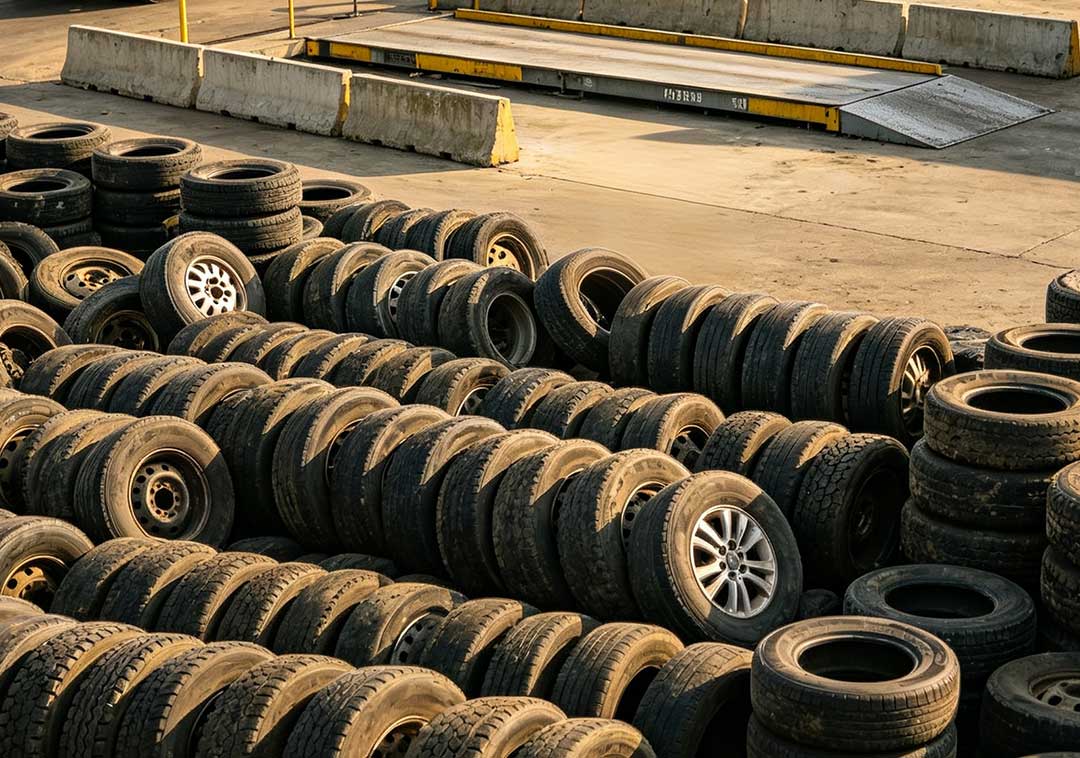
Even when both are used as shredded raw materials, truck and bus tires can produce high-purity coarse steel wires and thick rubber blocks, making them more attractive to downstream recycled rubber and fine rubber powder companies. Passenger car tires, after shredding, contain a large amount of synthetic fibers, resulting in higher purification costs and lower added value, directly suppressing the price offered by recyclers. Although the price per ton of passenger car tires may seem high in some regions, the weight limitations of a single tire and the impact of processing costs mean that the recycling value per tire is consistently far lower than that of truck and bus tires.
Current Price Situation: A Significant Difference Between Price per Ton and Price per Tire
The latest delivered prices from major recycling and rubber processing plants nationwide in early July 2026 clearly reflect this difference in product category.
Nationwide, the average price per ton for scrapped passenger car steel radial tires is concentrated between 1280 and 1350 yuan, translating to a recycling price of only 5 to 20 yuan per tire. Tires in good condition with intact treads and no obvious damage fetch a maximum of 40 yuan per tire. The price per ton for truck and bus steel radial tires ranges from 1120 to 1300 yuan, with prices in well-supplied areas like East China potentially rising by about 50 yuan, resulting in a recycling price of 30 to 60 yuan per tire. Complete tires meeting retreading standards can fetch over 100 yuan per tire.
Regional supply and demand widen price gaps, making truck and bus tires more resilient to price drops
Regional supply and demand differences further amplify local price discrepancies. In areas with a high concentration of recycled rubber and pyrolysis enterprises, such as Jiangsu and Zhejiang in East China, waste tire circulation is rapid, with passenger car waste tire prices reaching nearly 1900 yuan per ton. In northern inland areas, there are fewer processing enterprises, resulting in high transportation costs for waste tires. The price per ton for passenger car waste tires is only 400-600 yuan, with a single tire recycling price remaining at 5-10 yuan.
In contrast, truck and bus tire prices are more stable. In major cities in North and East China with well-developed freight logistics, the supply of large truck waste tires is stable, with price fluctuations mostly controlled within 100 yuan, making them far more resistant to price drops than passenger car waste tires.
July Market Pressure: Off-Season Demand Decline and Cost Constraints
The current market is under pressure overall, driven primarily by the traditional off-season downstream demand and raw material cost constraints. Summer sees a decline in the operating rate of rubber product and asphalt pavement construction, leading to a contraction in demand for reclaimed rubber and rubber powder.
Most small and medium-sized crushing enterprises are actively lowering raw material purchase prices, keeping the overall industry operating rate at a moderate level. Simultaneously, international crude oil prices have slightly declined, narrowing the profit margin for cracked oil, and reducing the willingness of cracking enterprises to purchase waste tires, making it difficult to drive up waste tire prices in the short term.
On the supply side, China's car ownership has exceeded 350 million vehicles, resulting in a massive annual output of scrapped passenger car tires. This ample supply further limits the potential for price increases in passenger car tires. Truck and bus tire production is influenced by the freight market, leading to a relatively moderate increase in supply and demand, resulting in a more balanced supply and demand situation. Consequently, the price decline for truck and bus tires is significantly smaller than that for passenger car tires.
Strengthened Policy Regulation and High-Value Utilization as a Long-Term Direction
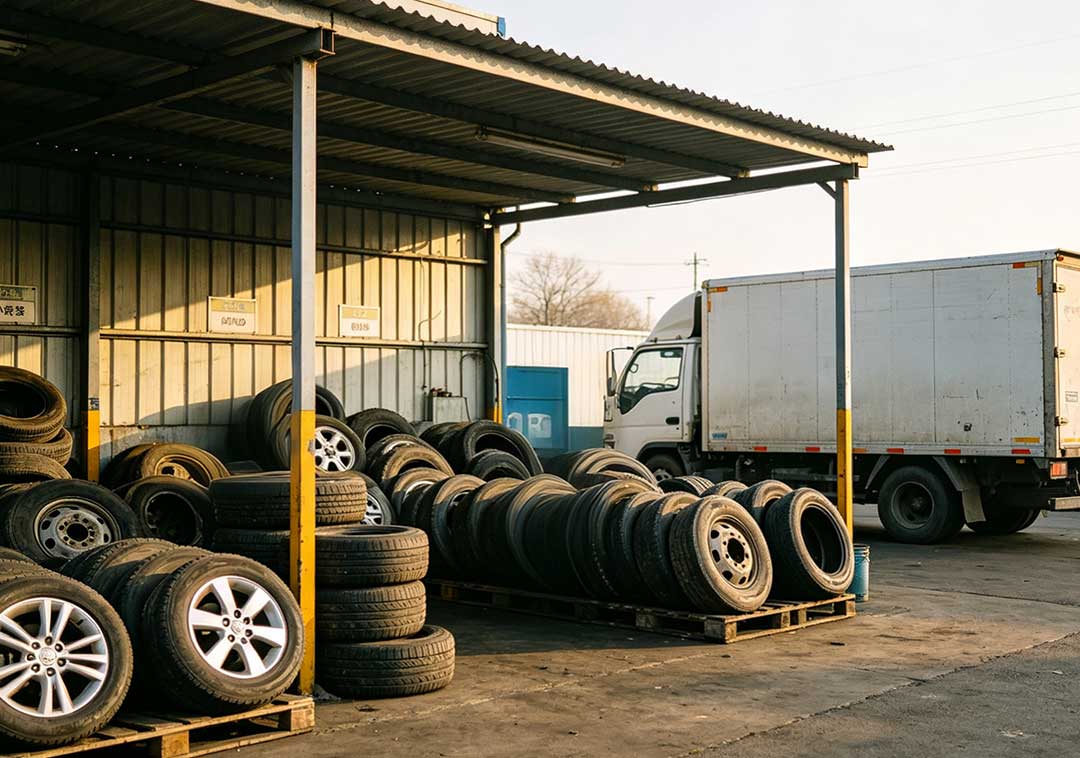
At the policy level, the industry's recycling system continues to be standardized. The number of regulated recycling outlets nationwide has exceeded 120,000, significantly strengthening the control over unlicensed dumping and illegal disposal of waste tires. Auto repair shops and car owners can no longer discard scrapped tires arbitrarily; they must hand them over to qualified recycling institutions for processing. The basic demand for recycling passenger car tires has become increasingly rigid, and the previous practice of free collection or even paid disposal has been completely eliminated.
Simultaneously, the government is promoting the high-value utilization of waste tires, and the adoption rate of continuous pyrolysis equipment continues to increase. In the long term, the combined profits from refined pyrolysis of passenger car tires, yielding oil, carbon black, and steel wire, are expected to increase. However, in the short term, this will not bridge the value gap with truck and bus tires.
Market Outlook: Short-term market is unlikely to see significant improvement; the price difference structure will persist
It is expected that from mid-July to early August, the market will not see a significant price increase. The window for downstream demand recovery will mainly be concentrated in September during the autumn infrastructure construction and rubber product resumption phase.
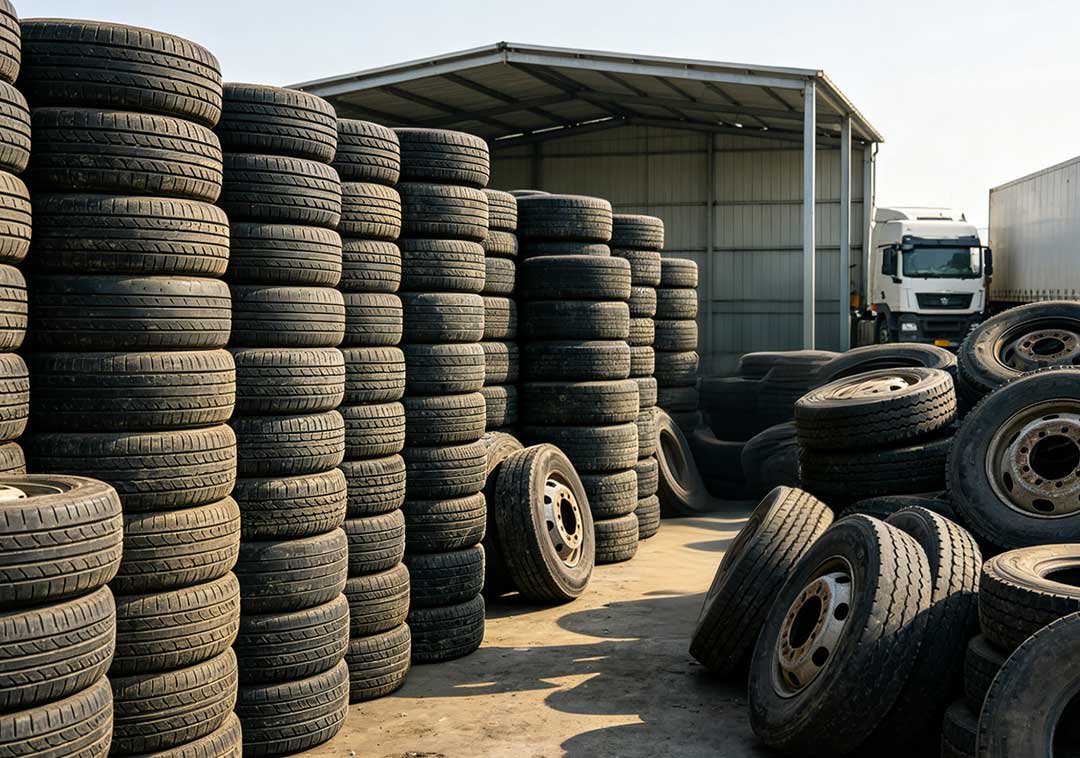
The price difference structure between the two types of tires will persist in the long term, with the core logic remaining unchanged: truck and bus tires, with their heavy tire bodies, can generate multiple profits from retreading, rubber blocks, and steel wire, while the lightweight design of passenger car tires determines their higher processing costs and lower added value.
For auto repair shops and individual sellers, when single-batch shipments exceed one ton, they can try negotiating a 5%-10% price increase with recyclers. Simultaneously, comparing real-time quotes from local formal processing plants and scattered recyclers in different regions can, to some extent, mitigate the profit loss caused by the price difference between product categories.




