
Passenger Car Tire Market Faces Competition
China's passenger car tire production capacity continues to expand globally. While this trend demonstrates the industry's strength in expanding scale, the underlying competitive pressure is also noteworthy. Based on current capacity growth rates, the intensity of competition in the passenger car tire market is rapidly increasing, and may even surpass the already fiercely competitive truck and bus tire market within five years. The industry is about to enter a more intense phase of competition for existing market share.
Signs of passenger car tire production capacity saturation are gradually emerging. Data on vehicle ownership in major global markets clearly reveals the demand pattern. According to statistics released by relevant departments in January 2026, by the end of 2025, China's total vehicle ownership reached 469 million, including 366 million cars, ranking first globally. New energy vehicle ownership reached 43.97 million, accounting for 12.01% of the total, becoming a significant driver of tire replacement demand.
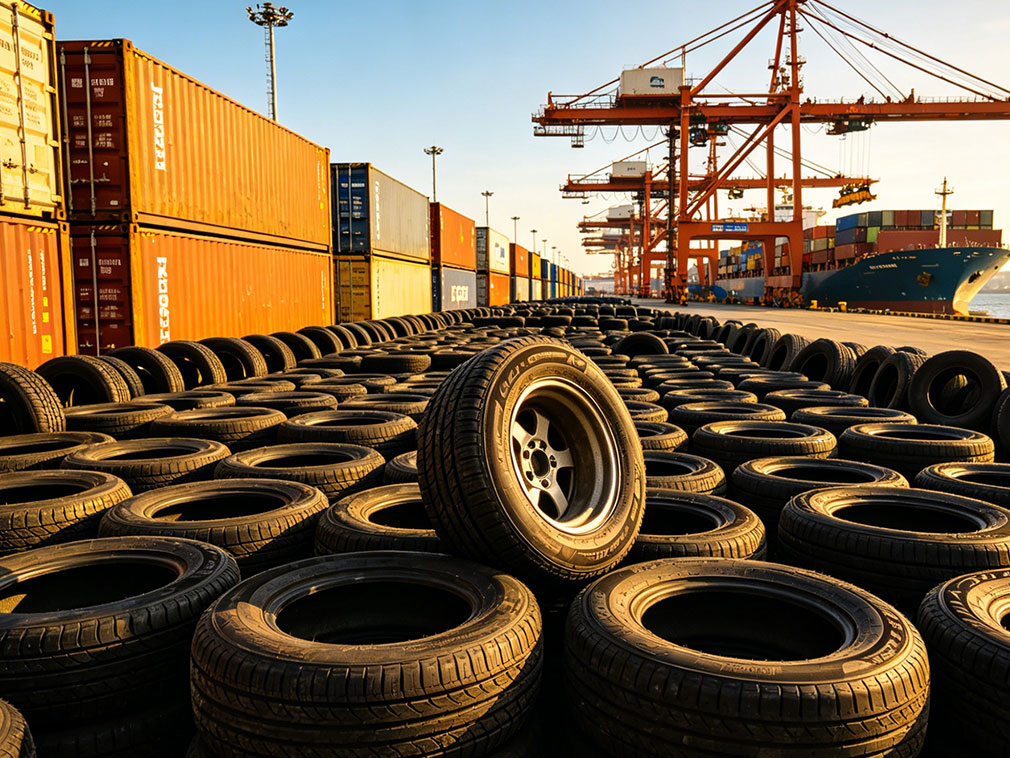
During the same period, the United States had approximately 283 million vehicles, and as the world's second-largest auto market, its tire replacement demand remained stable. Russia and Germany both have around 50 million vehicles each, approximately 54 million and 53 million respectively; Mexico, the UK, and Italy each have over 40 million vehicles, forming important target markets for Chinese tire exports. Roughly calculated, the main markets that Chinese tires can effectively reach have a combined vehicle fleet of at least 900 million.
Based on conventional industry standards, the future tire replacement demand in these markets is considerable, seemingly providing ample room for absorbing China's passenger car tire production capacity. However, the potential for supply-demand imbalance is gradually becoming apparent.
According to data from the China Rubber Industry Association, China's total automobile tire production reached 834 million units in 2025, of which semi-steel passenger car tires accounted for 684 million units, a year-on-year increase of only 1.33%, indicating a significant slowdown in growth, mainly due to the impact of EU anti-dumping policies, resulting in insufficient capacity utilization in the second half of the year. Regarding exports, 472 million tires were exported in 2025, a year-on-year decrease of 0.64%. Exports, a key channel for absorbing domestic production capacity, have seen a clear slowdown in growth.
Currently, the mismatch between the rapid expansion of China's passenger car tire production capacity and the growth in market demand is the core reason for increased competitive pressure. According to Longzhong Information, the total new semi-steel tire production capacity in China over the past two years has been around 100 million units.
Domestic companies are also gradually putting their new and expanded overseas projects into operation, significantly increasing supply pressure. At the same time, many of the new production lines of domestic tire companies are focused on the low-to-mid-end product segment, resulting in a relatively abundant supply in this market. Companies are forced to compete on price to gain market share, which to some extent compresses profit margins. Industry observations indicate that finished product inventory levels for semi-steel tire companies will rise significantly in 2025, and industry capacity utilization will decline.
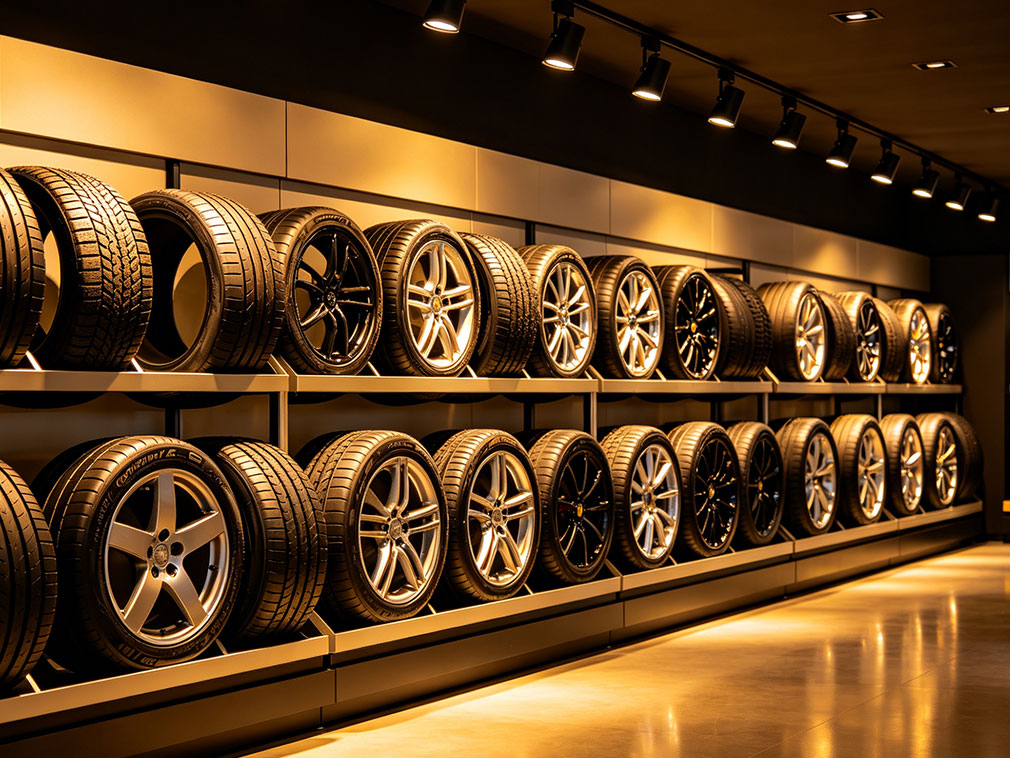
It is worth noting that the tightening global trade environment has further increased export pressure. In the EU market, the European Commission will officially launch an anti-dumping investigation into passenger car and light truck tires exported from China in May 2025, and the proposed tariff rates disclosed in the final ruling in April 2026 will range from 3.4% to 51.6%. According to data from the European Tire Manufacturers Association, in the first two months of 2026, Europe's imports of Chinese passenger car and light truck tires decreased by 45% year-on-year, with the import share plummeting from 74% to 52%.
The United States, a crucial overseas market for Chinese tires, is seeing its orders diverted to overseas factories established by Chinese companies in Thailand and Vietnam. Statistics show that as of April 2026, Chinese tire companies had established 23 factories overseas, with Thailand surpassing China as the largest source of imported tires for Europe and the United States. Previously rapidly growing export markets such as Russia have also begun calling for investigations into Chinese tires, and these multiple restrictions in overseas markets further compress the capacity available for production.
Meanwhile, the market demand structure is undergoing profound changes, further intensifying competition. With the increasing average lifespan of vehicles and the rising penetration rate of new energy vehicles, consumers are demanding higher tire performance. The demand for high-end tires that are quiet, energy-efficient, and wear-resistant is growing significantly faster than the industry average.
However, most domestic companies are still focused on low- to mid-range production capacity, resulting in severe product homogenization and an inability to meet the demands of the high-end market. Meanwhile, export markets that had previously experienced rapid growth, such as Russia, have begun calling for anti-dumping and countervailing duty investigations against Chinese tires, further compressing the space for capacity absorption in overseas markets.
Compared to the current truck tire market, although competition is already quite fierce, the matching degree between production capacity and demand is relatively balanced, and the market concentration is high. However, in the passenger car tire market, not only is the growth rate of production capacity far exceeding that of demand, but although industry concentration is increasing, a large number of small and medium-sized manufacturers are still participating in low-price competition.
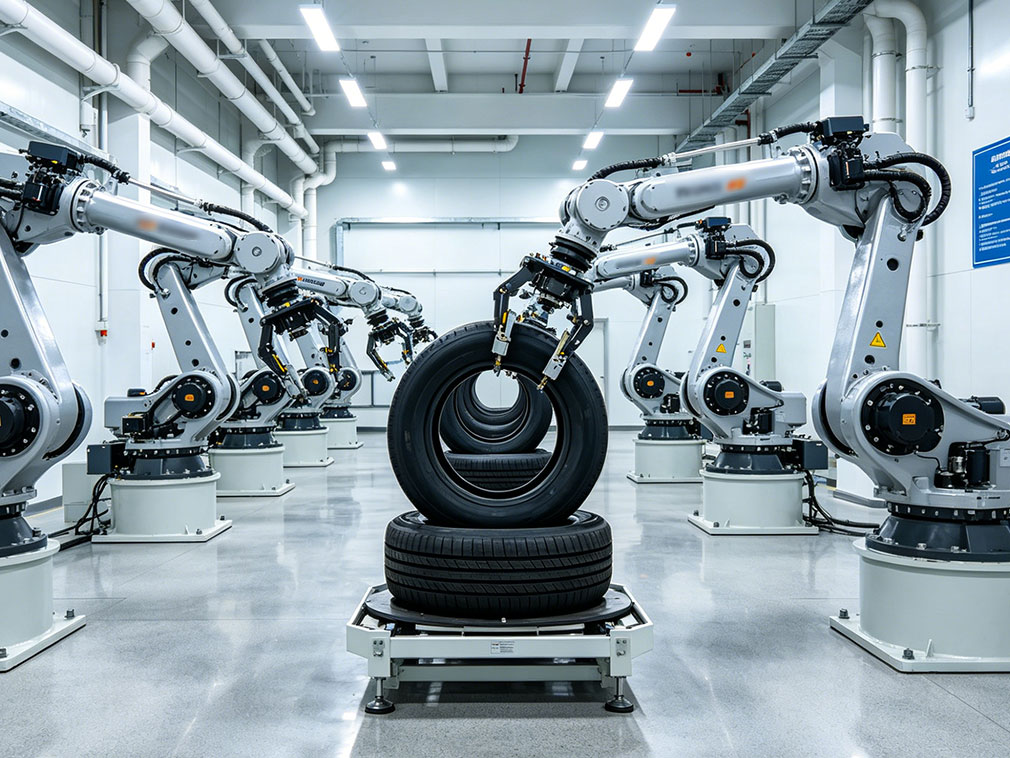
Coupled with the policy-level tightening of environmental and safety standards for tires, the elimination of small and medium-sized production capacity is accelerating, and competition among leading companies is becoming increasingly fierce.
At the current pace of capacity expansion, in the next five years, with the continuous release of new production capacity, the supply and demand contradiction in the passenger car tire market will further intensify, and competitive pressure surpassing that of the truck tire market will become inevitable. The industry will enter a period of high-quality development transformation centered on technological innovation and brand upgrading.




