
Tire Tread Depth Guide
During driving, tire tread depth gradually wears down with increasing mileage, affecting key tire performance aspects such as grip and water drainage. Friction between rubber and the road surface is an inherent physical phenomenon, and while it's currently impossible to completely eliminate wear, this process can be effectively slowed down through proper driving habits and maintenance.
Definition and Initial Differences in Tread Depth
Tread depth refers to the vertical distance between the top of the tread blocks and the bottom of the grooves (recesses or tread grooves). The reading will vary depending on the measurement location: typically, the tread depth is deepest in the center of the tire and relatively shallowest at the shoulder.
However, depending on the specific application and engineering design, there are cases where the tread depth is uniform throughout the entire tire. The deepest tread depth listed by the manufacturer in the specifications is generally based on the depth of the central main groove of the tire, which is a core indicator of tire performance.
The initial tread depth varies among different vehicle types: New tires for ordinary passenger cars typically have a tread depth of 6-8 mm; SUVs and off-road vehicles, to achieve stronger grip and puncture resistance, have an initial tread depth of 8-10 mm; winter snow tires, designed for icy and snowy roads, generally have a depth of 7-9 mm.
Safety Thresholds and Wear Indicators
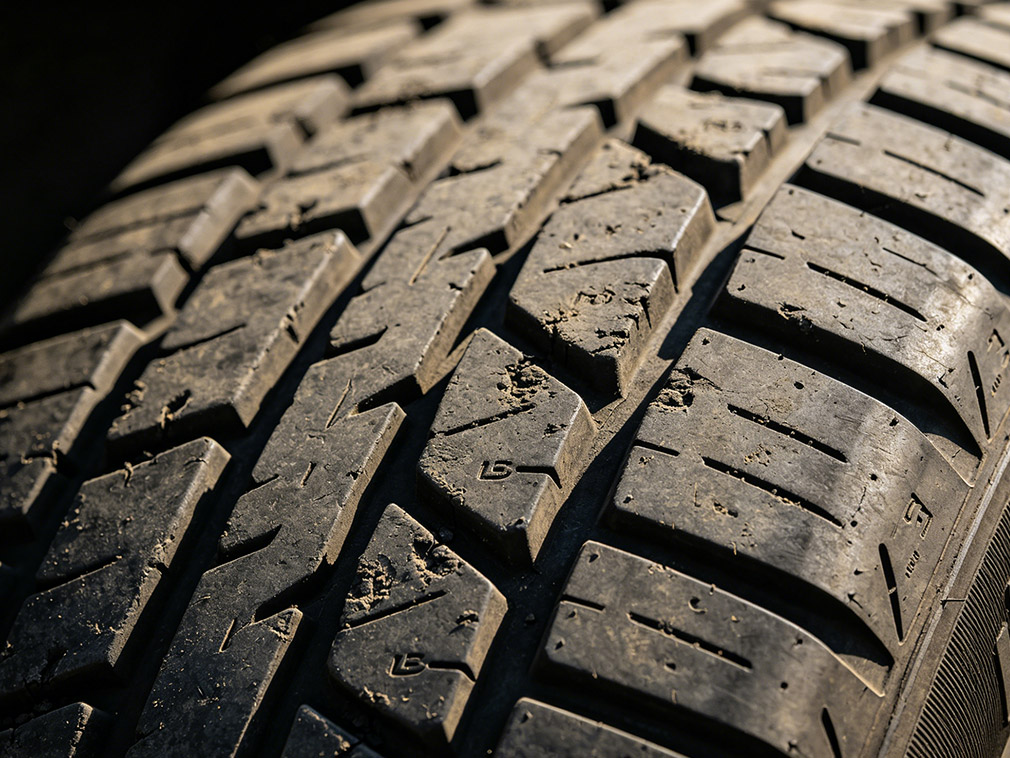
Regarding safety standards, both domestically and internationally, the legal minimum tread depth for passenger car tires is generally limited to 1.6 mm. All properly manufactured tires have wear indicators (TWIs) placed approximately every 30 degrees in the tread grooves. These are raised rubber blocks, exactly 1.6 mm high.
When the tread wears down to the level of this indicator, it indicates that the tire has reached the end of its service life and must be replaced immediately.
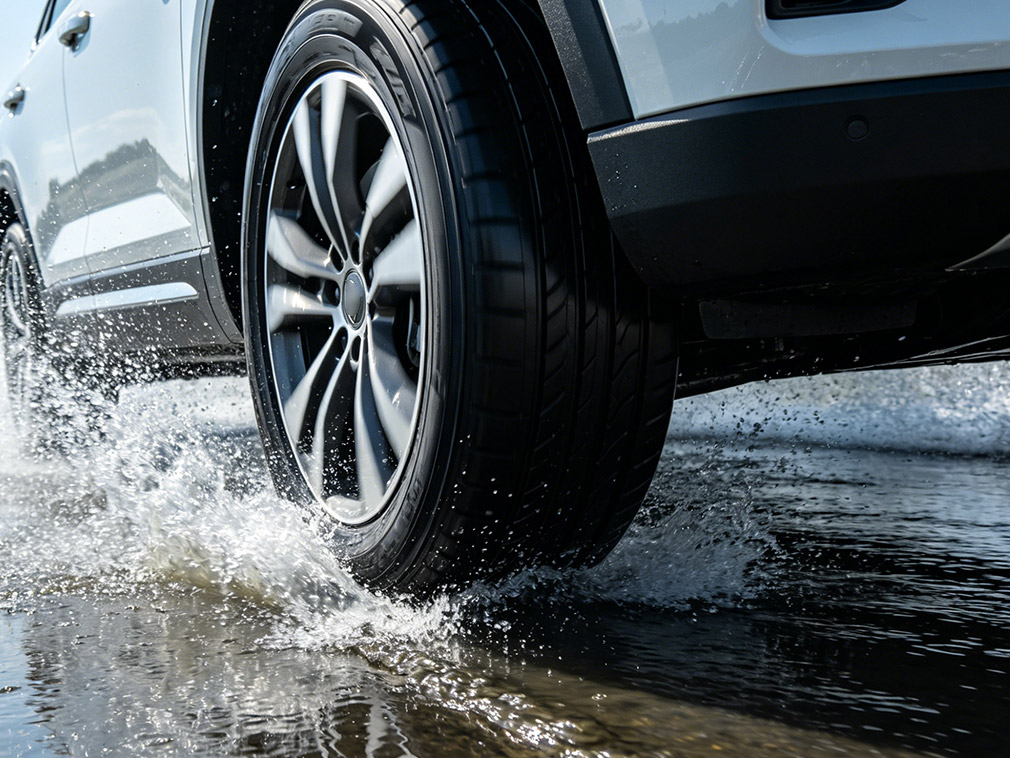
Continuing to use tires with a tread depth below 1.6 mm, especially in rainy areas or at high speeds, will reduce the tire's water drainage performance by more than 50%, greatly increasing the risk of hydroplaning. Wet braking distance may increase by 30% or more, and puncture resistance is also significantly weakened, drastically increasing driving risks.
Reasons for Uneven Wear
Tire tread depth does not decrease uniformly. During normal driving, the center area of the tire bears more concentrated ground pressure, resulting in relatively gentle wear. The tire shoulder area, due to the complex forces during cornering and braking, typically wears faster, which is why most tires exhibit "deeper center, shallower shoulder."
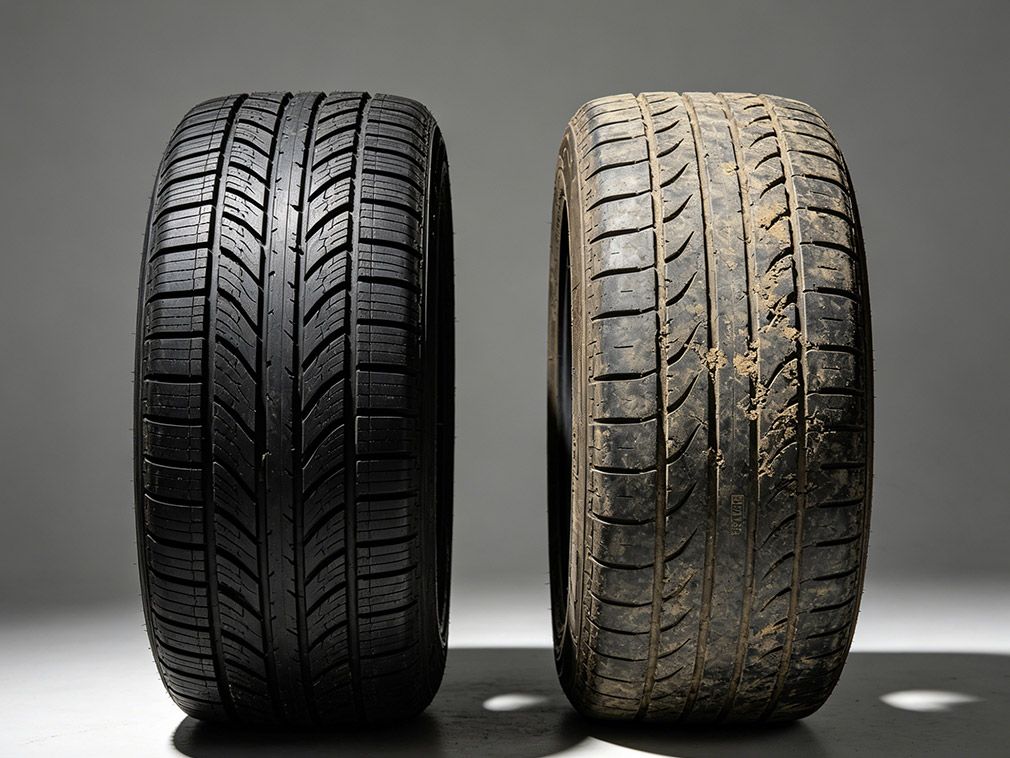
Abnormal wear often indicates potential vehicle problems: for example, excessive tire pressure can cause excessive wear in the center of the tread, while insufficient tire pressure exacerbates wear on the sides of the tire shoulder; abnormal wheel alignment parameters such as camber angle and toe-in can lead to unilateral wear. This type of abnormal wear not only shortens tire life but may also affect vehicle handling stability, requiring timely inspection.
Simple Self-Check Methods and Replacement Recommendations
For routine tire tread depth checks, in addition to using a professional tread depth gauge, a one-yuan coin can also be used for quick assessment. Insert a one-yuan coin, with the chrysanthemum pattern on the reverse side facing up, vertically into the tire's main groove.
If the complete edge of the chrysanthemum pattern is visible, the tread depth is below 1.6 mm, and the tire should be replaced as soon as possible. If the words "People's Bank of China" on the obverse side of the coin are clearly visible, the depth is nearing its limit, and the tire must be replaced immediately.
For drivers who frequently drive on highways or in rainy areas, it is recommended to replace the tire when the tread depth is below 3 mm to ensure sufficient tread depth for driving safety.
Lifespan and Driving Habits
Under normal use, the tread wear rate of passenger car tires is approximately 1-2 mm per year, with an overall lifespan of typically 4-5 years. Even with low mileage, rubber will naturally age over time, leading to decreased elasticity and weakened structural strength. Therefore, even if the tread depth is still above the minimum standard, replacement is recommended when the tire reaches its service life.
Furthermore, aggressive driving habits such as rapid acceleration and sudden braking can increase tread wear by approximately 30%; overloading and prolonged high-speed driving also exacerbate wear. Maintaining proper driving habits and regularly checking tire pressure and wheel alignment can effectively extend tire life and help tires maintain stable depth and performance.




