Continental's Advanced Tire Solutions for All Vehicle Types
Continental, leveraging over a century of tire R&D experience, has built a comprehensive product matrix covering daily commuting, long-distance travel, and heavy-duty freight for three major vehicle types: passenger cars, urban SUVs, and commercial trucks.
The entire product line continuously iterates its processes around three dimensions: durable structure, all-around safety, and dynamic driving performance. Through material formula innovation, tread pattern optimization, and sidewall structure reinforcement, it adapts to various road conditions, including dry/wet roads, paved roads, and lightly unpaved roads. It achieves balanced performance in braking stability, driving durability, and energy consumption control, meeting the long-term usage needs of fuel-powered vehicles, new energy passenger vehicles, and various commercial transport vehicles.
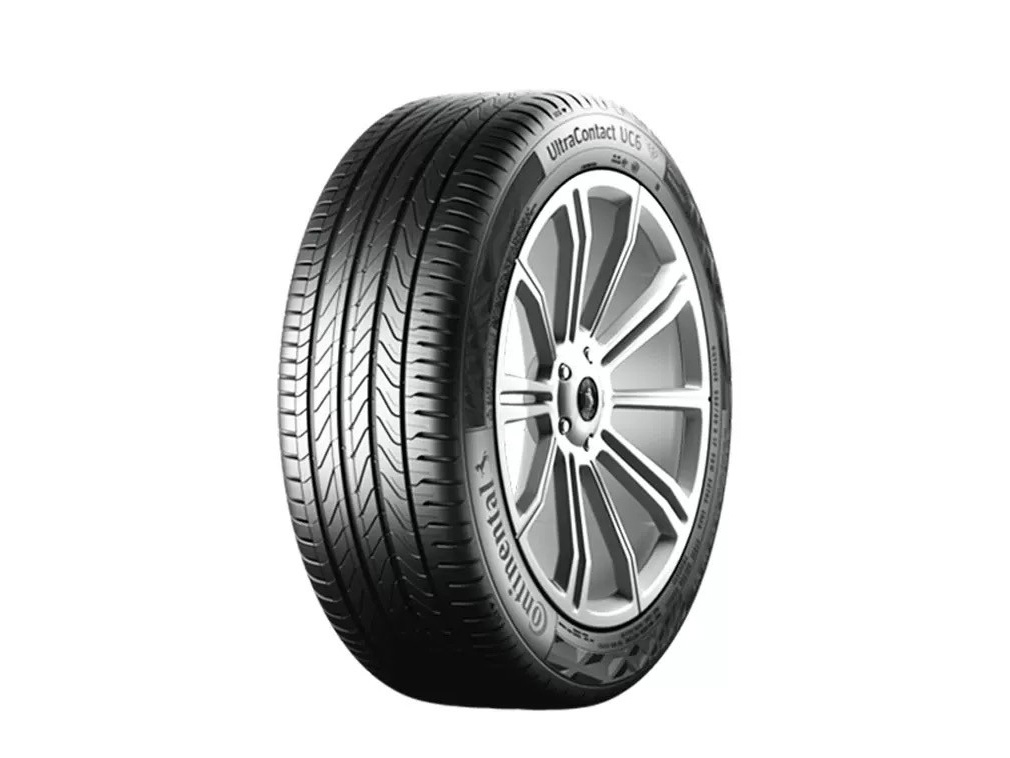
I. Layered Tread Pattern System: Enhancing Basic Grip Capability on Dry and Wet Roads
Considering the curb weight and driving scenarios of different vehicle models, Continental designs its tread patterns specifically. The core objective is to quickly break through road surface water, stabilize tire block shape, and ensure continuous and effective contact between the tire and the road surface.
For passenger cars, such as the UltraContact and EcoContact product lines, the tires feature high-speed supercharged air intakes and blade-shaped shoulder grooves. The grooves employ a venturi structure with gradually varying widths, quickly diverting the water film under the tread to the longitudinal main grooves and expelling it outwards when the vehicle travels at high speeds over flooded roads, reducing the risk of hydroplaning.
The tread block edges feature beveled edges and a diamond-cut finish, helping to prevent tread block rollover or abnormal deformation during braking, thus evenly distributing contact pressure and shortening braking distance on both dry and wet roads under the same conditions. The widened outer tread blocks, combined with an interlocking support structure, reduce tread slippage during cornering, improving road grip during lane changes and cornering.
For heavier urban SUVs with a higher center of gravity, the tires utilize a Macroblocks large-size one-piece tread block design, widening the shoulder contact area to cope with lateral impacts from mountain roads and gravel roads. Some tires designed for light off-road driving have added serrated traction grooves to maintain stable traction on wet mud or worn, old roads.
Commercial tires for freight trucks feature deeper, thicker block treads with lateral auxiliary grooves, balancing drainage efficiency and wear resistance under heavy loads to meet the frequent braking demands of long-haul freight on national highways and expressways.
At the materials level, the entire series features an upgraded rubber compound. Mainstream passenger tires use high-silica polymer compounds with interwoven polymer chains forming a robust network structure. On dry roads, the compound provides sufficient rigidity for more direct steering input; in low-temperature, wet conditions, it maintains moderate softness, enhancing adhesion and balancing wear life and all-weather grip. The new EcoContact 7 series, released in 2026, is upgraded to the Green Chili 3.0 compound, achieving an A-level wet grip rating in EU tire label testing.
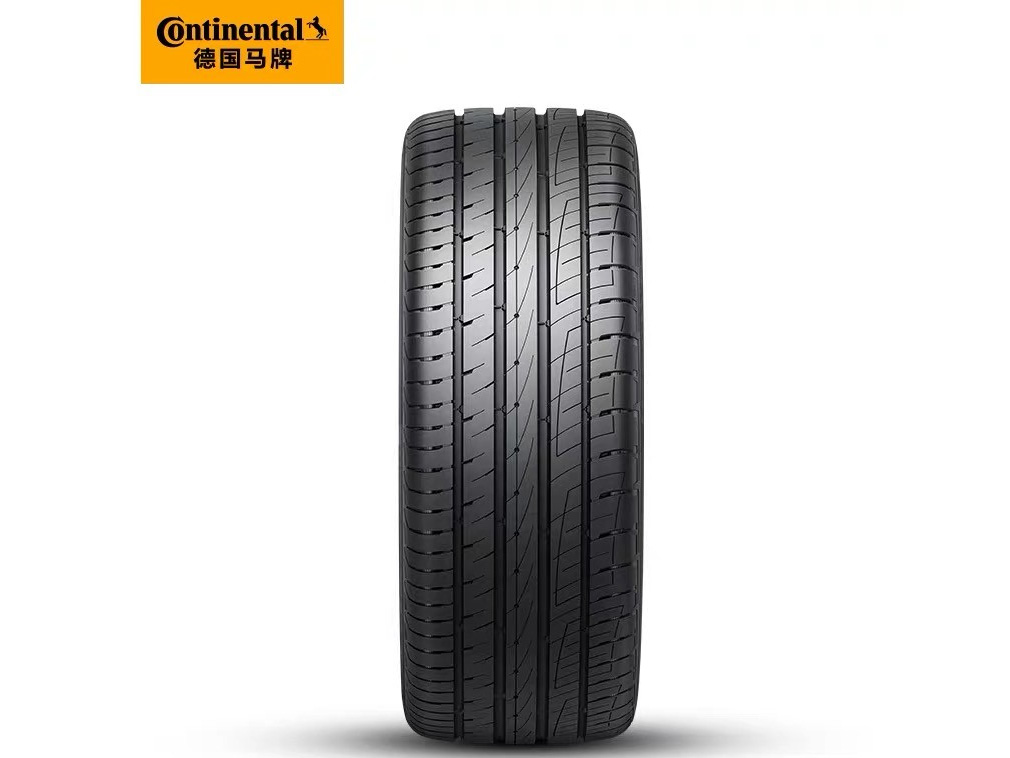
II. Reinforced Sidewalls and Multi-Layer Carcass Structure for Enhanced Vehicle Stability
During high-speed lane changes, rapid cornering, and when fully loaded, the deformation of the tire sidewall directly affects vehicle stability. Continental has designed differentiated reinforced sidewall structures based on the load characteristics of different vehicle models.
Passenger tires utilize a Robust 360° reinforced carcass. By thickening the sidewall rubber layer and adding a high-strength steel belt layer, the sidewall bending under lateral forces is reduced, helping to suppress body roll and improve handling stability during high-speed cruising and on winding mountain roads.
The SSR run-flat tire model, equipped with run-flat technology, further upgrades the sidewall support material. After a tire suffers a puncture and loss of pressure, the reinforced sidewall can support the entire vehicle weight, allowing the vehicle to continue driving at a limited speed for a certain distance, reducing the risk of loss of control due to sudden air leakage. Mainstream passenger tires can also be equipped with an optional ContiSeal self-sealing inner liner.
When a puncture occurs in the tread with a diameter of 5 mm or less, the internal sealant automatically seals the puncture, reducing the risk of air leaks and sudden drops in tire pressure. The sealant functions stably within a temperature range of -35℃ to 70℃, and its service life covers the entire tire's lifespan.
The EcoContact series, dedicated to new energy passenger cars, introduces an aerodynamic pitted sidewall design. Inspired by the drag-reduction principle of a golf ball, it evenly distributes micro-dimples on the sidewall to streamline airflow, reduce air turbulence, and simultaneously lower wind resistance and tire deformation loss.
Heavy-duty truck tires utilize multi-layer composite sidewalls, with a thickened bead and shoulder transition area. This effectively resists sidewall cracking and bulges caused by long-term heavy loads and roadside scrapes, extending replacement intervals and reducing the probability of breakdowns during freight transport.
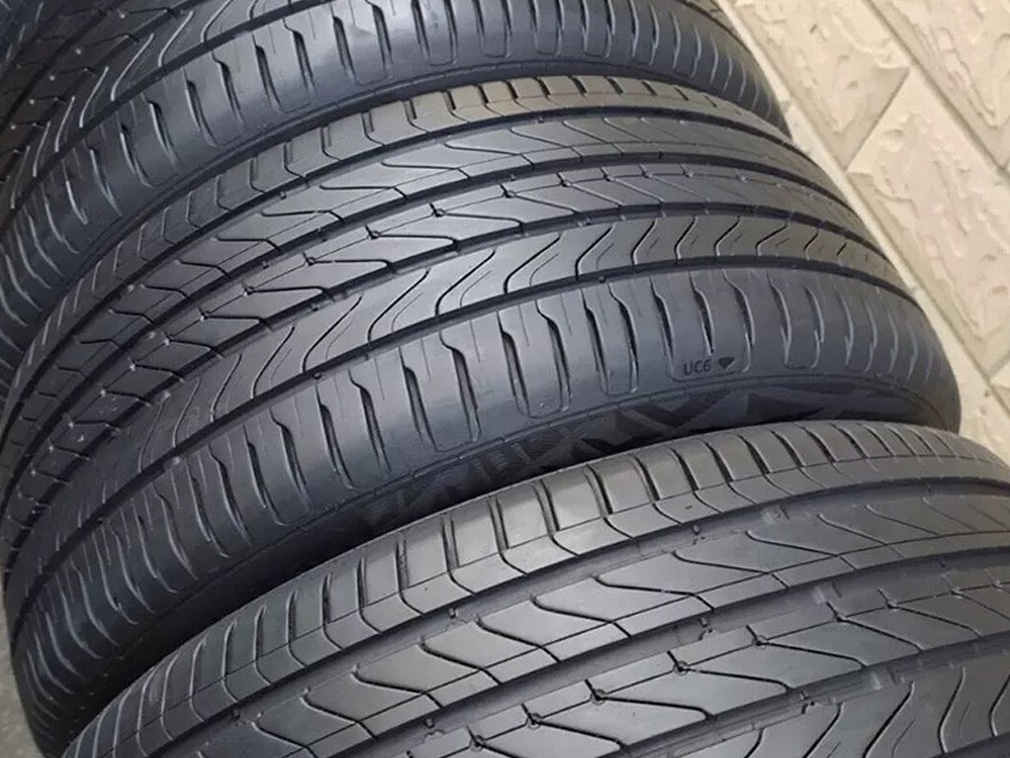
III. Optimized Low Rolling Resistance Technology for Balanced Driving Performance and Energy Consumption
Rolling resistance is a key factor affecting vehicle fuel consumption and the driving range of electric vehicles. Essentially, it is the internal heat loss generated by the repeated deformation of the tire during rolling. Continental has optimized both the tire carcass structure and rubber compound to control rolling resistance without compromising grip and safety performance, thus balancing safety and energy efficiency.
In terms of carcass structure, the low rolling resistance series uses lightweight, high-strength inner liner rubber and flexible carcass cords to reduce the deformation amplitude when the tire contacts the ground, minimizing energy loss caused by the reciprocating compression of polymer materials.
The high-silica compound weakens the creep effect of rubber molecules, resulting in less heat generation during rolling. Real-world testing shows that compared to traditional compounds, rolling resistance is significantly reduced for tires of the same specifications, optimizing daily commuting fuel consumption for gasoline vehicles and steadily improving the driving range of pure electric vehicles.
The 2026 new passenger car tires meet the EU's stringent energy efficiency rating standards, with many models achieving EU Label A rolling resistance and maintaining good wet braking performance, addressing the common problem of insufficient wet grip in low rolling resistance tires. For long-haul trucks, low rolling resistance commercial tires help reduce fuel costs in long-haul transportation. Combined with thicker, more durable treads, they achieve a balance between operating costs and driving safety in high-frequency, long-distance driving scenarios.
IV. Comprehensive Product Line Adaptation, Covering Diverse Travel Scenarios
Continental's complete product line precisely matches different vehicle needs, forming a clear segmented layout:
Passenger Car Tires: Includes the balanced comfort UltraContact series, the energy-efficient and low rolling resistance EcoContact series, and the sporty handling MaxContact series, suitable for compact, mid-size, and mid-to-large-size gasoline and pure electric cars, catering to both urban commuting and highway driving needs.
SUV-Specific Tires: Represented by models like the UltraContact UX7, these tires are optimized for load-bearing capacity and lateral support in urban SUVs and crossover vehicles, balancing quietness on paved roads with passability on light unpaved surfaces.
Commercial Truck Tires: Designed for heavy-duty and long-haul freight, these tires feature deepened, wear-resistant treads and thickened, impact-resistant sidewalls, suitable for long-haul logistics, short-haul freight, and light-duty engineering trucks, balancing load-bearing capacity and durability.
In addition to the three core performance characteristics mentioned above, all models are equipped with NoiseBreaker grooves and ContiSilent sound-absorbing foam, effectively reducing sound waves generated by tire-road friction, lowering cabin noise, and further enhancing ride comfort while maintaining safety, durability, and fuel efficiency.
As of June 2026, Continental's tire series, relying on its continuously iterating material and structural R&D system, do not focus on any single performance aspect. Instead, through the synergistic design of the compound, tread pattern, sidewall, and carcass, they achieve a balance between durability, safety on dry and wet roads, and driving energy consumption. This makes them suitable for both daily travel of private cars and long-term heavy-duty operation of commercial vehicles, providing tire solutions that balance safety and energy efficiency for multiple vehicle types and road conditions.