
Durable Oil Filters: Key to Prolonging Engine Life
Many car owners focus on the type and quality of engine oil during vehicle maintenance, often overlooking the small oil filter. As a seemingly insignificant but crucial component of the engine lubrication system, the oil filter acts as a "purifier" for the oil, responsible for removing various impurities generated during oil circulation, directly affecting the long-term operating condition of the engine.
Most common conventional oil filters on the market are only suitable for relatively short maintenance intervals. To meet the current mainstream demand for longer oil change intervals, choosing a reliable and durable replacement oil filter is essential. It can reliably purify the engine oil throughout the entire process, is widely compatible with most vehicle types, including passenger cars, SUVs, and light trucks, and firmly safeguards the engine's lubrication and protection.
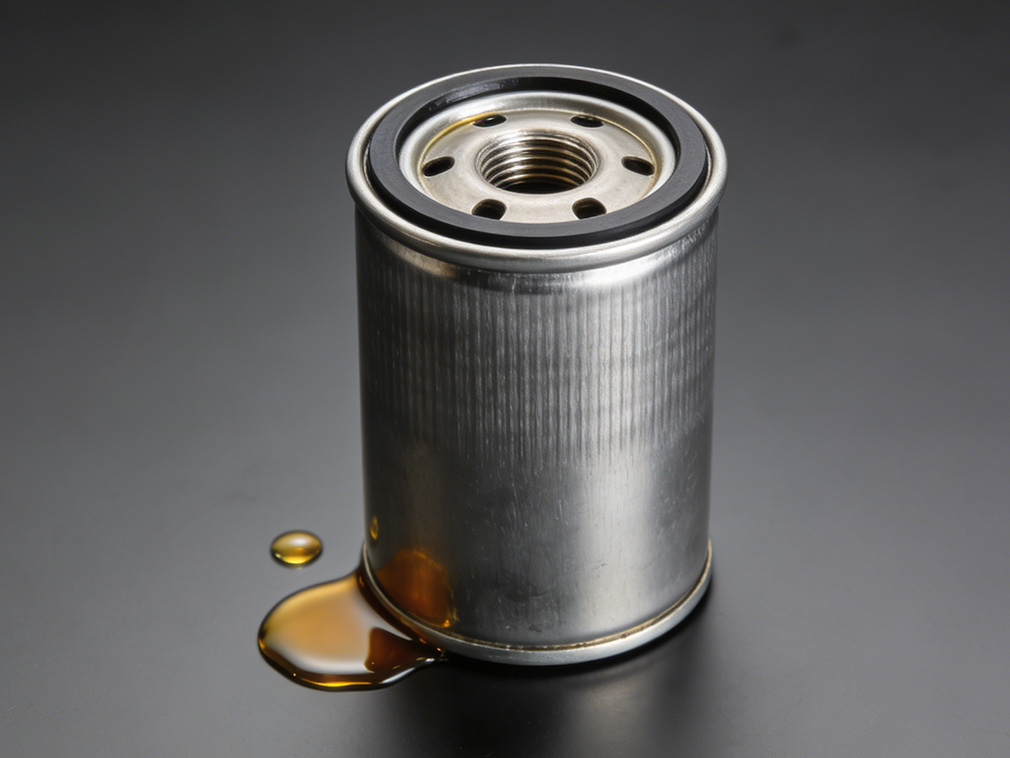
When a vehicle is in motion, the metal parts inside the engine are constantly subjected to high-speed friction. The pistons and crankshaft generate fine metal debris during operation; coupled with the engine oil's long-term operation at high temperatures, it gradually oxidizes, forming sludge and carbon deposits. Additionally, a small amount of dust enters the engine compartment through the intake system. These impurities mix with the engine oil and circulate continuously.
If the oil filter's filtration capacity is insufficient or its lifespan is incomplete, tiny, hard particles cannot be effectively intercepted. These particles will flow with the engine oil through all the precision friction parts inside the engine, gradually scratching the cylinder walls, wearing down bearings, and even clogging tiny oil passages.
Over time, this can lead to problems such as weak acceleration, unstable idling, and abnormally high fuel consumption. In severe cases, it can cause lubrication failures, resulting in high repair costs. According to a 2026 survey of the domestic auto repair industry, using inferior oil filters and failing to replace oil filters on their expiration date has become one of the main causes of abnormal wear in passenger cars. This fully demonstrates that the durability and filtration stability of oil filters are crucial to the entire vehicle's powertrain.
Compared to conventional oil filters, high-quality, durable replacement oil filters have undergone practical optimization in terms of filter media and internal structure. They are better suited to the driving habits of today's car owners who commonly use fully synthetic engine oil and extend maintenance intervals, while also considering the three core performance aspects: filtration accuracy, oil flow rate, and lifespan.
Many conventional oil filters use a single-layer paper filter element, which has relatively limited high-temperature and corrosion resistance, and its filtration efficiency tends to decline over time. Durable replacement oil filters, on the other hand, use a composite glass fiber filter element with a layered filtration design. This effectively intercepts fine, hard impurities that can damage the engine without obstructing normal oil flow due to excessive filter density, helping to prevent abnormal opening of the bypass valve caused by poor oil circulation.
Furthermore, the filter element undergoes special temperature resistance treatment, enabling it to withstand the engine's daily oil operating temperature of up to 140°C. It is less prone to cracking, delamination, or damage under prolonged high-temperature environments, maintaining stable filtration performance throughout the entire maintenance cycle.
The internal valve structure of the durable oil filter has also been optimized for real-world driving scenarios. The built-in silicone check valve retains oil inside the filter element after the vehicle is turned off, preventing all oil from flowing back into the oil pan. In daily short-distance travel and in the low temperatures of northern winters, dry friction is most likely to occur during engine cold starts. Residual engine oil helps the lubrication system build up oil pressure more quickly, significantly reducing engine wear caused by cold starts.
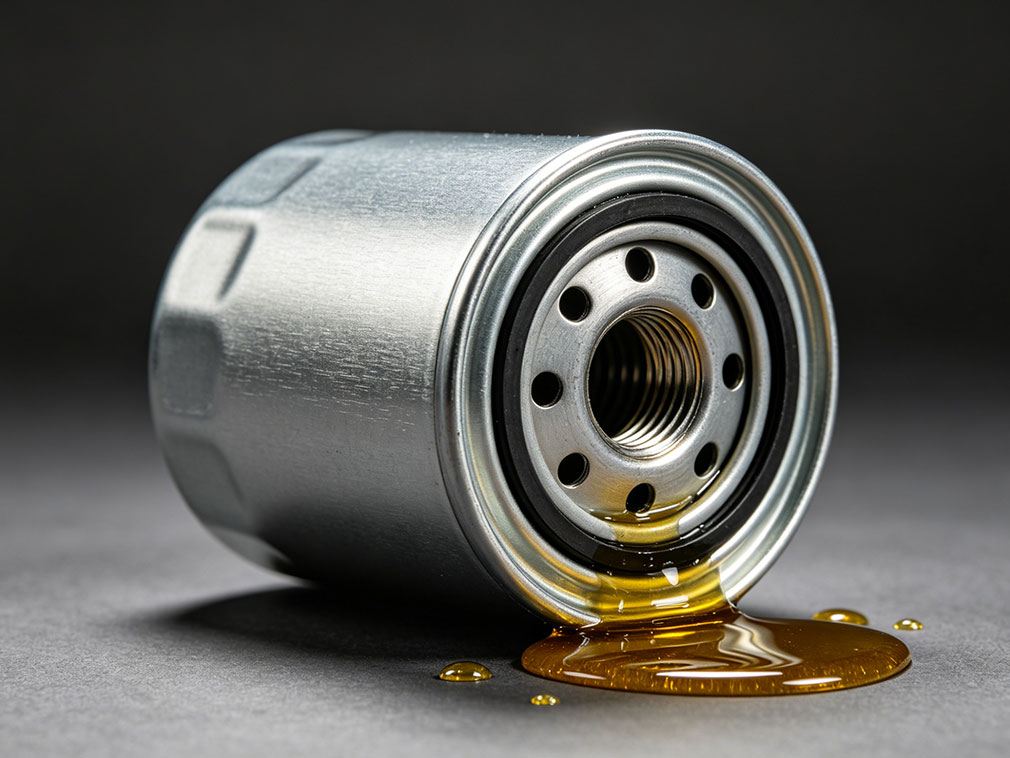
The accompanying bypass valve is properly calibrated, only opening an emergency passage when the filter is severely clogged or the oil viscosity is too high in winter, hindering normal flow, thus minimizing unfiltered oil from entering the engine. Furthermore, the thickened housing enhances pressure resistance, and the matching anti-aging sealing rings are less prone to hardening and cracking after long-term use, reducing the risk of oil leakage at the source.
Currently (in 2026), mainstream maintenance plans are roughly divided into two categories: semi-synthetic oil is recommended for replacement around 5000 kilometers, while fully synthetic oil is suitable for longer mileage maintenance of 8000 to 10000 kilometers. Most standard oil filters have a stable filtration capacity of around 5000 kilometers, which is insufficient to fully match the long oil change intervals of fully synthetic oil, resulting in a significant decline in filtration performance over time.
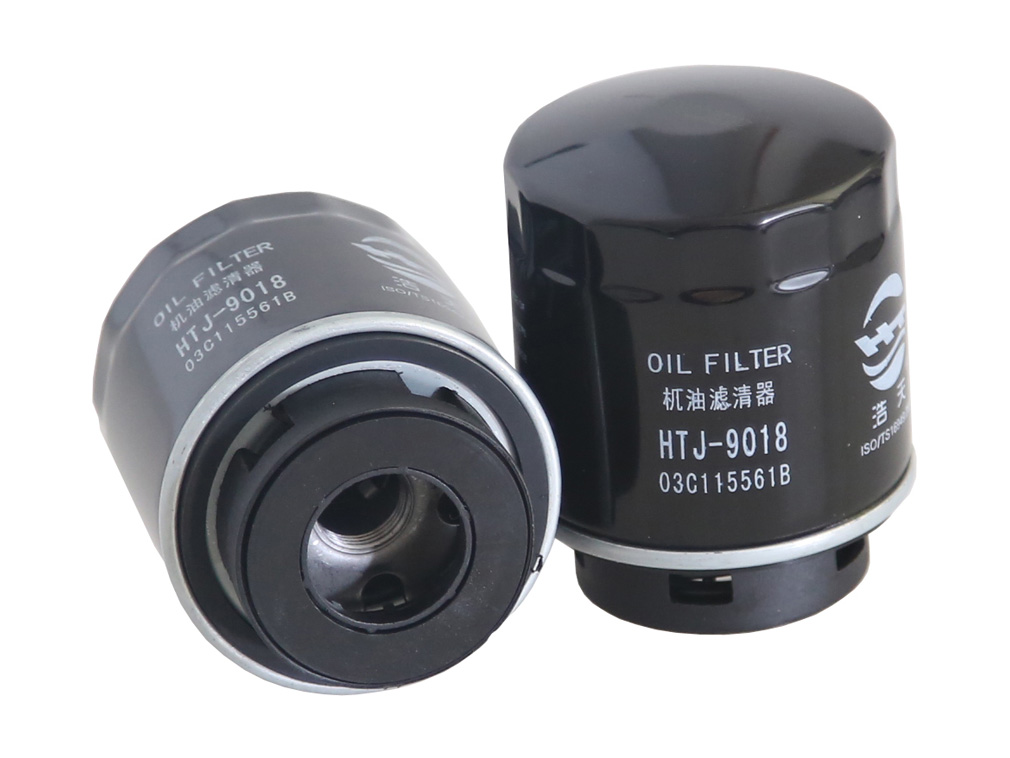
A standard durable replacement oil filter can fully match a 10,000-kilometer oil change interval, with no significant degradation in filtration performance throughout the process. It requires no additional replacement midway, meeting the time-saving and hassle-free maintenance needs of most car owners.
It's important to objectively remind car owners that "durable" does not mean it can be used indefinitely. The oil filter still needs to be changed at the same time as the engine oil, following the interval recommended in the vehicle's maintenance manual. When purchasing parts, don't blindly pursue high-priced products.
As long as the part's specifications are consistent with the original and meet national automotive parts testing standards, it is a qualified and reliable replacement part. Compatibility and solid workmanship are far more important than gimmicky price tags.
For an engine to maintain stable operation for a long time, meticulous basic maintenance is essential. The seemingly small oil filter is actually a crucial barrier protecting the engine. Durable replacement oil filters meet current real-world driving and maintenance needs, making up for the performance shortcomings of conventional oil filters during long-term use.
They can continuously purify engine oil, stabilize the lubrication system, reduce hidden wear on the engine, help the engine maintain its ideal power level for a longer period of time, and thus extend the service life of the entire vehicle's powertrain.




