
Optimize Air Filters for Efficiency and Clean Air
The passenger air filter is a key component in maintaining clean air inside the vehicle and ensuring overall vehicle efficiency. Many routine maintenance checks performed by car owners and fleet managers focus on large components that ensure safe vehicle operation, such as engine oil, tires, and brakes.
The passenger air filter is often overlooked on maintenance lists, but as part of the air conditioning and ventilation system, it is the first line of defense for filtering the air inside the vehicle, directly affecting the performance of the air conditioning, the vehicle's electrical load, and even the smooth operation of the engine.
Due to the ever-changing pollen, dust, and smog conditions, regular replacement of reliable and durable filter elements is necessary under real-world driving conditions. This provides passengers with a clean breathing environment and minimizes hidden wear and tear on the vehicle, making it a very cost-effective basic maintenance item.
Clogged filters trigger a chain reaction
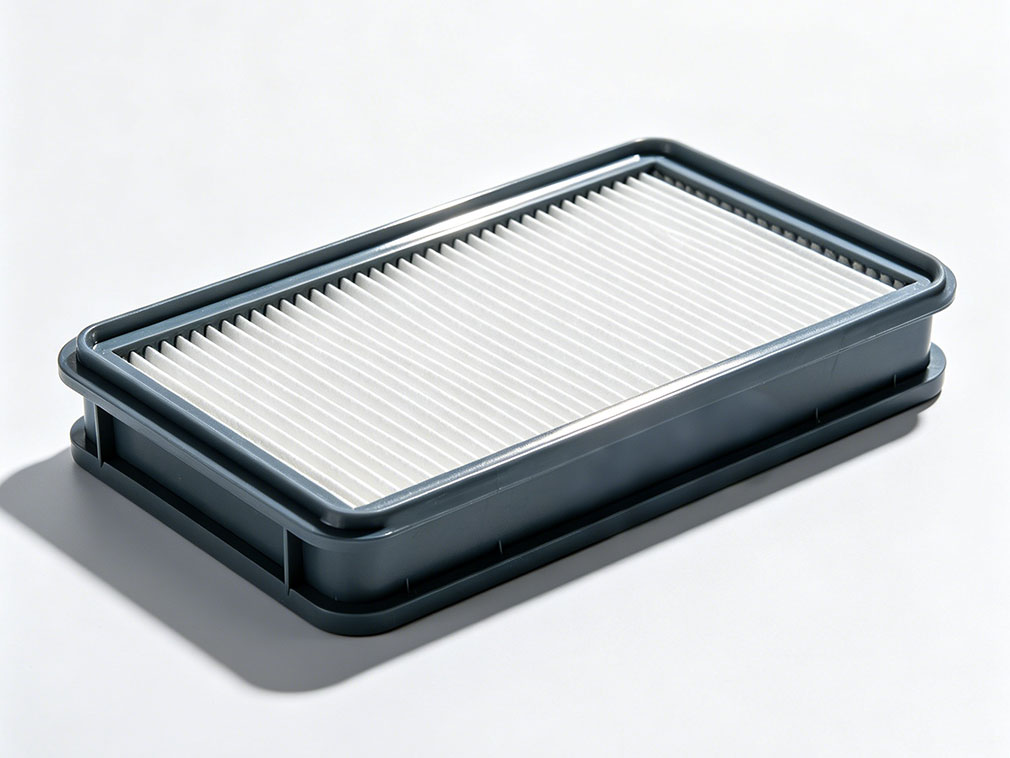
Industry professionals often mistakenly believe that the only effect of the passenger air filter on a vehicle is improving interior air quality, neglecting its direct connection to the engine. The vehicle's electrical and ventilation systems are interconnected. The passenger air filter allows air to pass through to maintain air circulation inside the vehicle.
Over time, the pores in the air filter become clogged with dust, pollen, and other particulate matter, significantly increasing airflow resistance. Therefore, to maintain the amount of air passing through the filter, the air conditioning blower motor must consume more current to increase its speed; this increases the vehicle's overall electrical load.
The Value of Choosing a Durable Replacement
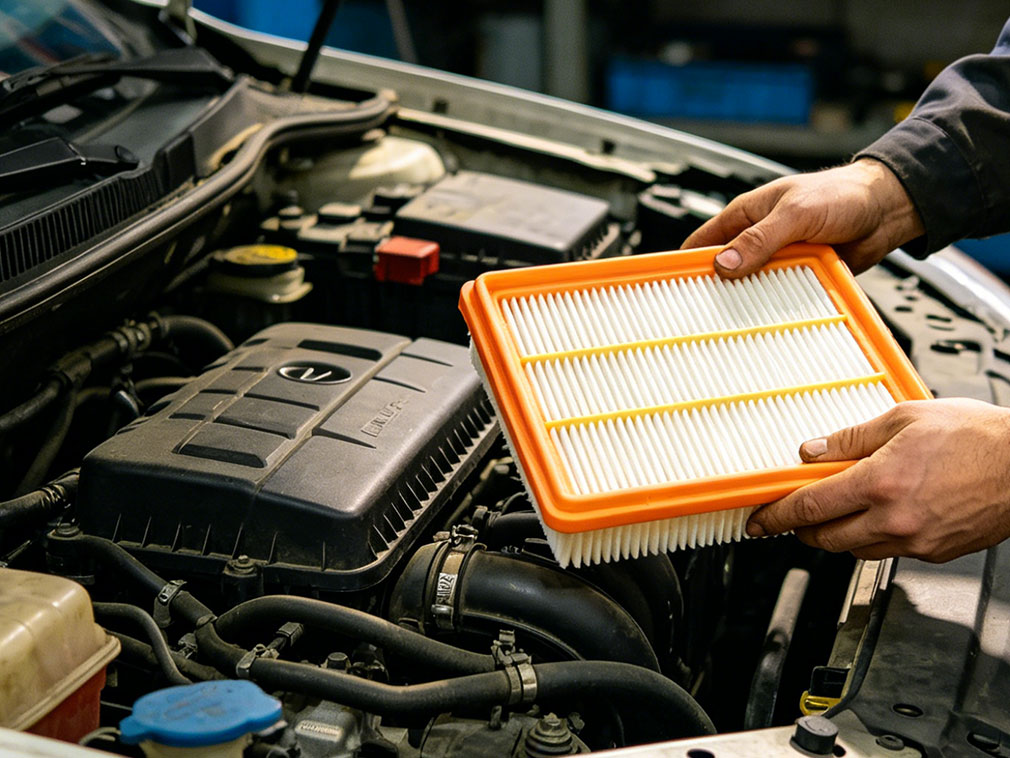
When purchasing a replacement filter, it's unnecessary to blindly pursue high-priced products, but it's also important to avoid choosing low-quality alternatives that cannot guarantee basic performance. A reliable matching solution should have precise dimensions and robust materials.
Genuine matching filters are manufactured based on the original vehicle's air conditioning duct data, ensuring a good seal around the perimeter after installation, preventing unfiltered air from directly entering the cabin through edge gaps.
The filter media has superior resistance to high and low temperature cycles, maintaining structural stability in both high summer temperatures and low winter temperatures, and is less prone to deformation, cracking, or collapse, stably adapting to the complex daily cabin environment. Under typical urban commuting conditions, a qualified filter can maintain a stable service life of approximately 6 months or 10,000 kilometers, eliminating the need for frequent replacements.
In contrast, some low-priced, low-quality filter elements commonly suffer from problems such as loose filter media, fiber shedding, activated carbon particle escape, and complete clogging within a short period. Their purification efficiency is substandard, and the shed debris can accumulate in the air conditioning ducts, inducing odors under humid and high-temperature conditions, and even damaging hardware such as the evaporator, leading to additional repair costs.
Scientific Replacement Cycle Recommendations
Referring to the general maintenance practices of mainstream automotive service networks in 2026, the replacement cycle should not be fixed but dynamically adjusted based on the vehicle's actual operating environment. For vehicles that are frequently driven on urban paved roads with good air quality and primarily used for commuting, replacing the filter every six months or 10,000 kilometers is usually sufficient.
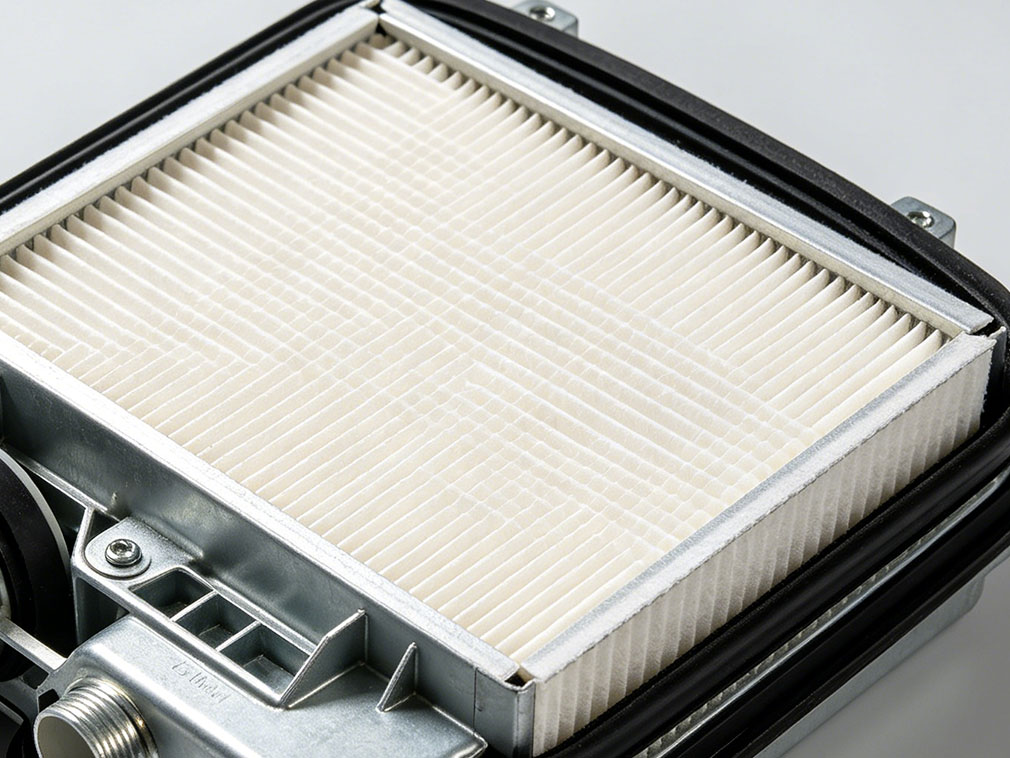
For vehicles that frequently operate in dusty areas such as construction sites and unpaved roads, or whose operating periods coincide with peak pollen and smog seasons, it is recommended to shorten the inspection and replacement interval to three months or 5,000 kilometers. During each maintenance check, the filter should be disassembled and visually inspected; if the filter paper is found to be visibly blackened or severely clogged, it should be replaced immediately.
As a low-value consumable part, the cabin air filter's performance simultaneously impacts three core aspects of vehicle use: the respiratory health of passengers, the operational efficiency of the air conditioning system, and engine load control.
Providing and installing reliable, compatible replacement filters to end users and fleet customers effectively isolates external air pollutants, maintains a clean and healthy interior space, reduces the probability of air conditioning system failures, decreases engine load, and helps maintain stable vehicle power output. This is not only a cost-effective preventative maintenance measure but also a professional demonstration of aftermarket service providers' commitment to creating long-term value for customers.




