
Pirelli Takes Stake in RIDEsense Sensing
Pirelli and RIDEsense to Integrate Virtual Sensing into Cyber™ Tyre Ecosystem
The next step in intelligent tyre development comes from a combination of hardware and software — and a new partnership between Pirelli and RIDEsense is designed to deliver exactly that.
On 3 July 2026, Pirelli confirmed a strategic collaboration with RIDEsense, a mobility technology company spun out from research at the University of Naples Federico II and the MegaRide group. The two companies will jointly develop software solutions that integrate virtual sensor technology into the Pirelli Cyber™ tyre ecosystem, with a clear goal: to give vehicles a more accurate reading of tyre behaviour and road conditions, without adding extra hardware.
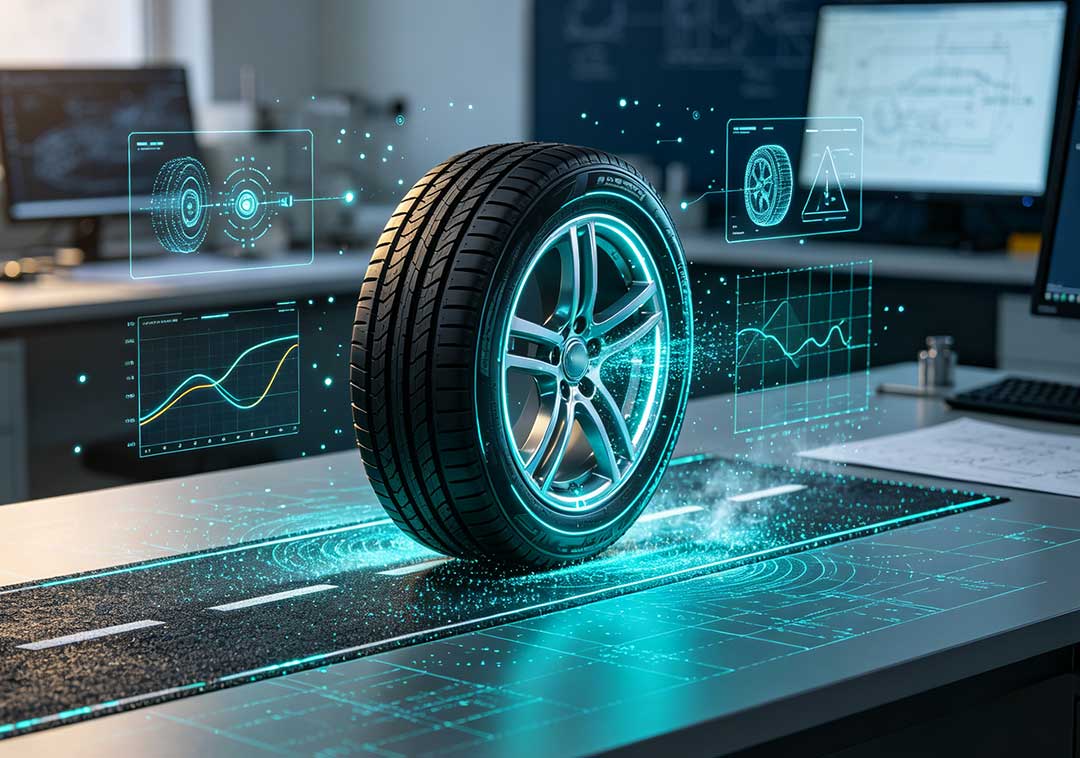
RIDEsense brings a virtual sensing platform that processes data already available on the vehicle — from the chassis, braking system, and speed sensors — and translates it into real-time information on tyre state and surface friction. This software-based approach complements the physical sensors embedded in Cyber™ tyres, which measure pressure, temperature, and deformation. Together, the two data streams fill perception gaps that exist when either method is used on its own.
The agreement is structured for long-term integration. Pirelli secures rights to use the virtual sensor technology, with contractual safeguards that govern any third-party access. On the capital side, Pirelli will acquire a 24.99% stake in RIDEsense, becoming a strategic shareholder with an option to increase its ownership over time.
From a vehicle-dynamics standpoint, the benefit is straightforward. A tyre that can reliably report its real-time grip level, wear condition, and interaction with water or uneven surfaces becomes an active sensing component in the vehicle’s safety architecture.
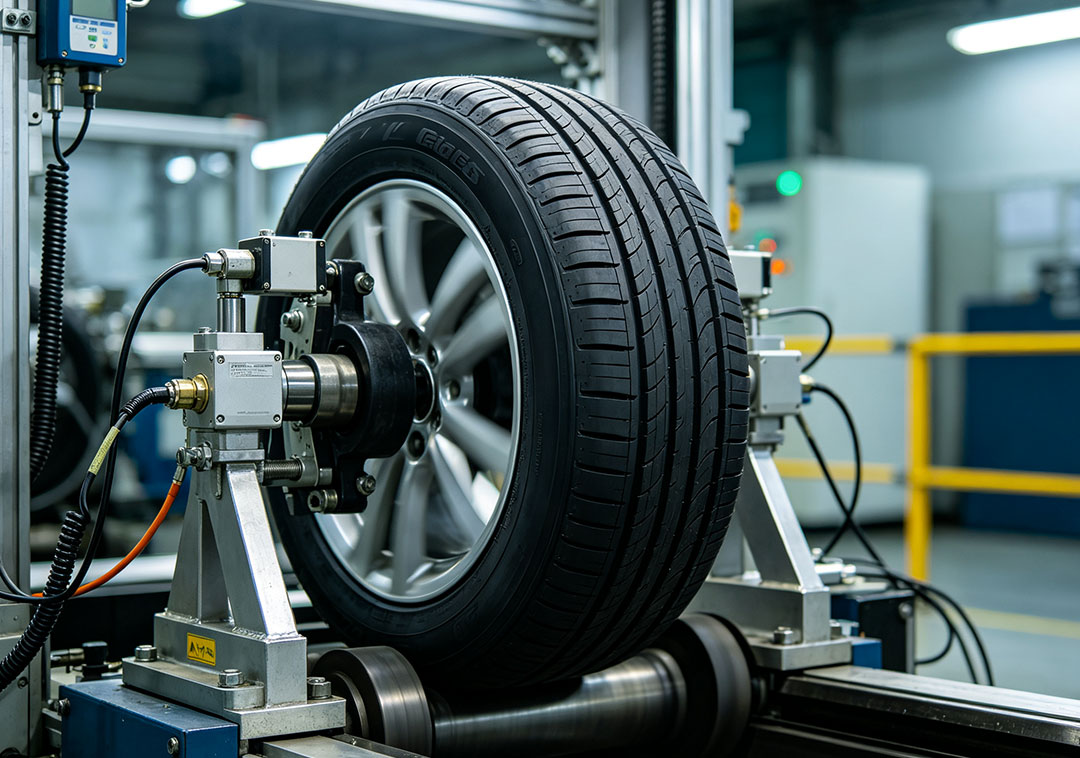
The joint development roadmap includes improved aquaplaning warnings, more precise wet-road detection, and a full tyre health diagnostic suite covering tread wear, ageing, and hidden structural issues. Over time, the system will also extend into chassis and driving-condition monitoring, moving from isolated tyre assessment to broader vehicle-state diagnostics.
For automakers, software-first upgrades offer a practical path. Enhancing sensing capabilities through algorithms rather than hardware redesign helps contain integration costs and simplifies adoption across vehicle platforms — a growing requirement as assisted and automated driving systems demand ever more reliable inputs from the tyre-road contact patch.

The collaboration aligns Pirelli’s Cyber™ ecosystem with the direction of modern vehicle architectures, where data fusion and virtual sensors are increasingly central to safety and control strategies. It also reflects a broader industry pattern: partnerships that link established component expertise with agile software specialists are becoming the faster route to innovation in mobility technology.




