
Tire Tread Patterns Guide
Tire tread patterns vary, each serving a different purpose. As the only part of a car in contact with the ground, the core of tire tread design lies in adapting to different driving scenarios and balancing performance such as grip, water drainage, noise reduction, and wear resistance.
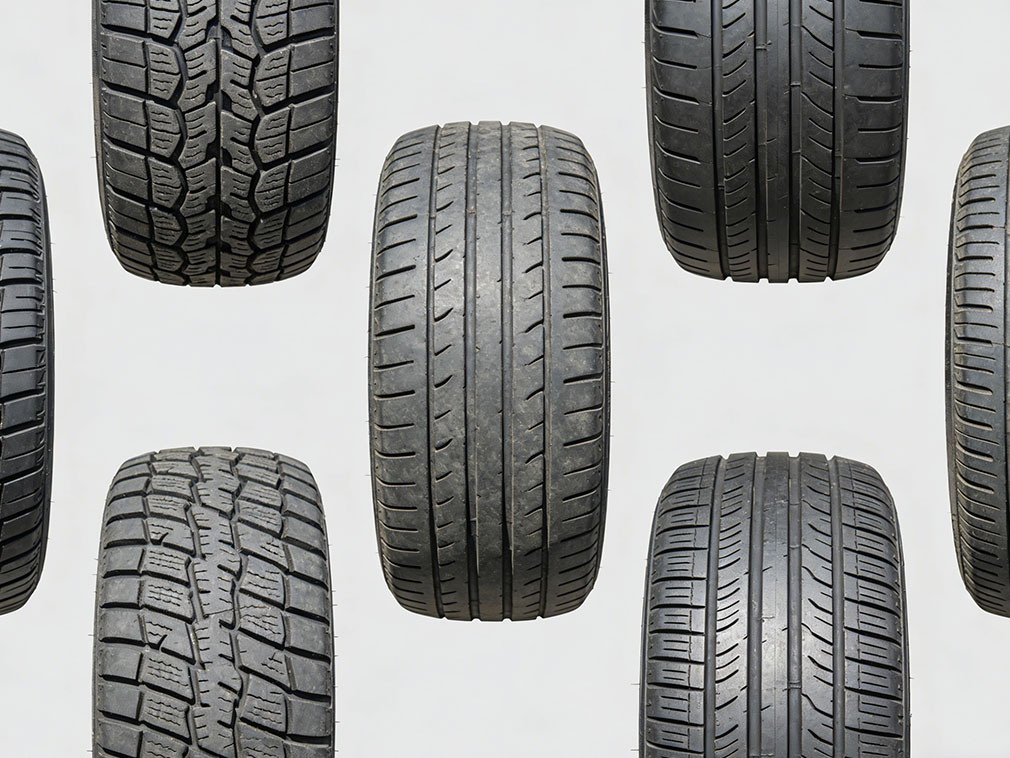
Its design iterations are closely related to the development of the automotive industry and road condition requirements. In recent years, with the popularization of new energy vehicles and the upgrading of environmental protection concepts, tread design has placed greater emphasis on the comprehensive optimization of low rolling resistance and high safety.
Longitudinal tread patterns are the most common, with grooves parallel to the direction of travel, and are the mainstream choice for family cars. The design focus is on reducing rolling resistance and energy consumption, while optimizing noise reduction, making it suitable for daily commuting on paved urban roads.
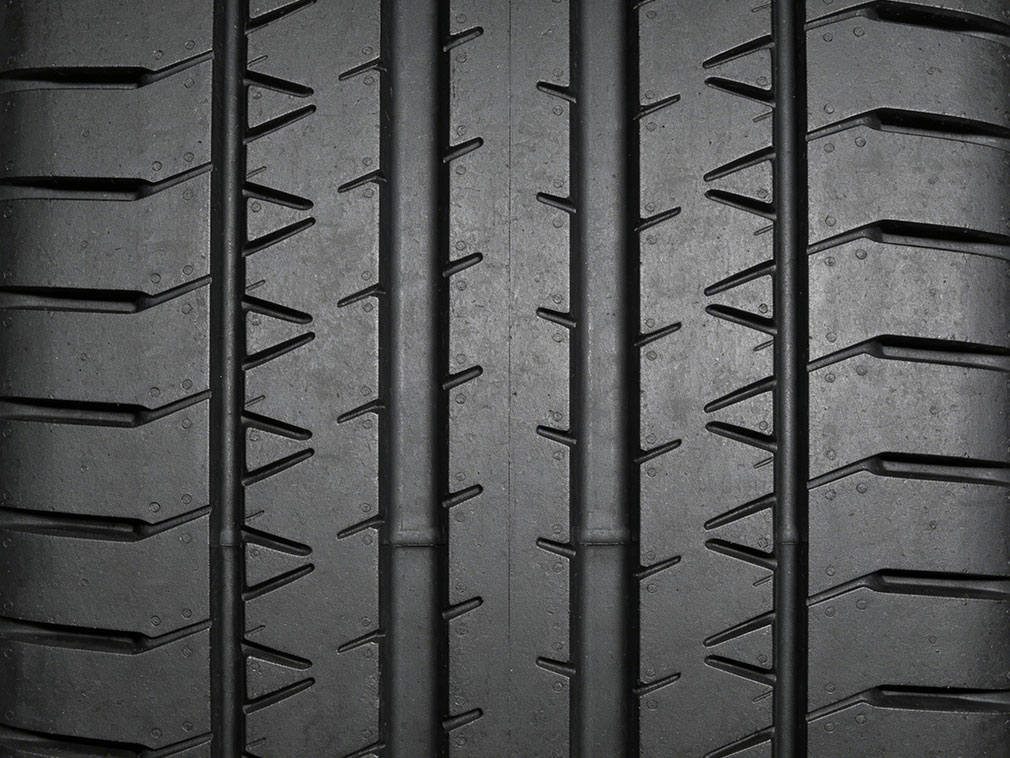
These tread patterns have shallow and evenly distributed grooves, resulting in a large contact area and improved straight-line stability; however, braking performance and grip under complex road conditions are relatively mild, making them unsuitable for aggressive driving or off-road scenarios, aligning with the current requirements for low energy consumption in green travel.
Transverse tread patterns are designed in the opposite way to longitudinal patterns, with grooves perpendicular to the direction of travel and larger tread gaps, primarily emphasizing strong traction and wear resistance. Its deep grooves enhance grip with the road surface, making it suitable for frequent starts and stops and complex road conditions.
It's commonly used in engineering vehicles or vehicles traveling on rough rural roads. However, due to the high frequency of impact between the tread blocks and the ground, it's prone to skidding at high speeds and produces noticeable noise, making it unsuitable for long-term high-speed driving in family cars.
Asymmetrical tread patterns are a common choice for sporty vehicles, with distinct differences in design between the inner and outer tread blocks: the outer side uses wide tread blocks to enhance grip and cornering stability; the inner side features dense, fine grooves to optimize water drainage.
This differentiated design caters to both dry and wet driving needs, improving vehicle stability during high-speed cornering. However, strict differentiation between the inner and outer sides is necessary during installation, and the noise level is slightly higher than symmetrical patterns. Currently, many high-end tires achieve a balance between sporty performance and safety through this design.
Single-directional tread patterns are arranged in a single direction, with deep and dense drainage grooves. Their core function is to quickly expel the water film between the tread and the road surface, reducing the risk of hydroplaning in rainy weather, making them suitable for use in rainy areas.
Their arrow-shaped tread pattern reduces rolling resistance, making them suitable for high-speed driving. However, this tread pattern only allows for unidirectional rolling. When swapping tires, they must be rotated front to back on the same side, not left to right, to avoid affecting performance.
Off-road tread patterns are divided into three categories: HT, AT, and MT, specifically designed for different off-road scenarios. HT patterns balance on-road comfort with light unpaved road passability. AT patterns balance moderate off-road and on-road driving, and are a common choice for rugged SUVs. MT patterns feature ultra-deep grooves and large tread blocks, capable of handling extreme road conditions such as mud and rocks, offering excellent passability, but resulting in higher noise and fuel consumption on paved roads.
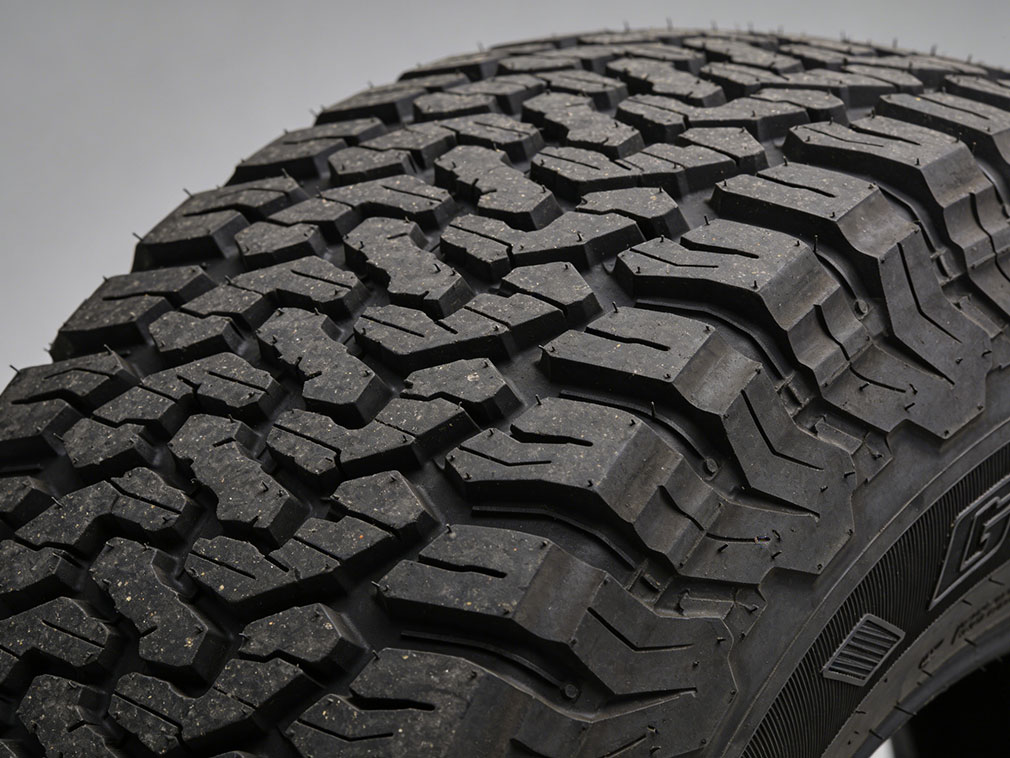
With industry technological advancements, tread pattern designs are constantly innovating. For example, combining environmentally friendly compounds with tread structure can reduce rolling resistance and improve wear resistance; some new energy vehicle-specific tires reduce driving noise by optimizing tread pitch, meeting the low-noise requirements of electric vehicles.
It is important to note that tire tread patterns on the same axle must be consistent; otherwise, it does not meet motor vehicle operating safety standards and poses a safety hazard. In summary, tire tread patterns should be chosen based on daily driving scenarios to fully leverage their performance advantages and ensure driving safety and comfort.




