Unavoidable Factors Affecting Tire Life
As the only component of a vehicle in contact with the ground, tires directly impact operating costs, while vehicle control stability is crucial for driving safety. However, numerous uncontrollable objective factors continuously affect these two aspects, which cannot be eliminated artificially but can only be mitigated through scientific measures. Based on current vehicle usage practices, the following systematically outlines these unavoidable influencing factors from three core dimensions: natural environment, road conditions, and vehicle structure.
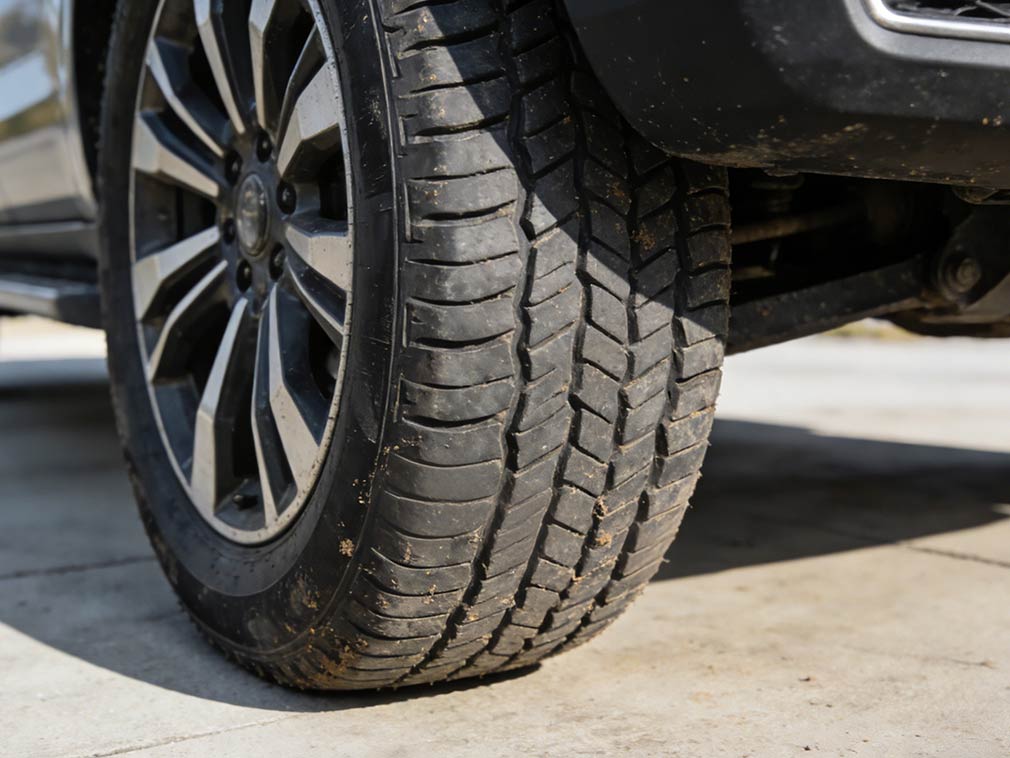
Natural environmental factors are the primary uncontrollable factors affecting tire life and vehicle control, with temperature and ultraviolet radiation having particularly significant effects. Tires are primarily made of rubber, whose physical properties change significantly with temperature. In high-temperature environments, rubber softens and ages more rapidly, leading to significantly faster tread wear—data shows that tire life is 25% to 30% shorter in summer than in winter.
Simultaneously, high temperatures increase internal tire pressure, reducing grip during steering and braking, thus weakening handling stability. In low-temperature environments, rubber hardens and becomes brittle, reducing elasticity and making the tread prone to cracking. This reduces tire-to-ground friction, lengthens braking distance, and increases the risk of skidding, especially on icy and snowy roads.
Furthermore, prolonged exposure to sunlight damages the internal structure of rubber, leading to cracking and hardening of the tire surface. Even when a vehicle is parked for extended periods, UV radiation continues to cause aging; this is an inherent and unavoidable natural characteristic of rubber.
Road conditions are another crucial and unavoidable factor. Different road surfaces have significantly different effects on tire wear and vehicle control, and these effects are difficult to alter. In urban paved roads, tire wear on concrete surfaces is approximately 15% higher than on asphalt surfaces. Rural roads and unpaved sections, often covered in gravel and potholes, subject tires to frequent impacts on the tread and sidewalls, accelerating tread wear and potentially causing sidewall bulges and cord breakage.
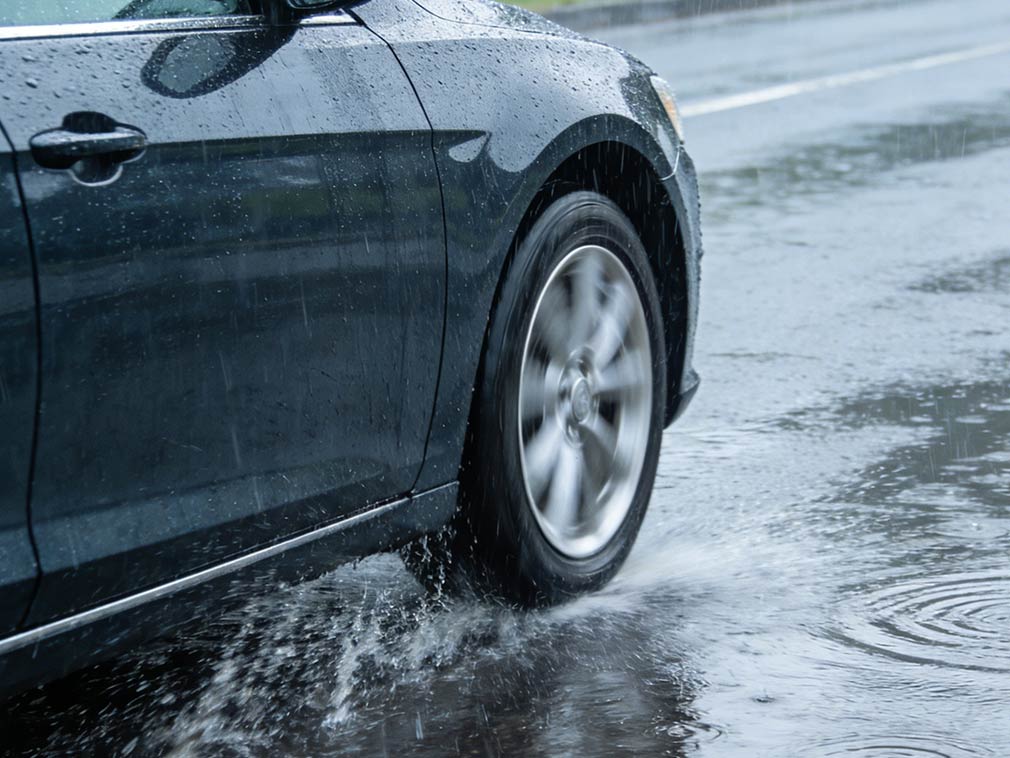
Simultaneously, the bumps caused by potholes reduce steering precision, increasing the risk of loss of control. Additionally, wet roads after rain and icy roads in winter significantly reduce tire grip, easily leading to hydroplaning, which increases braking distance and causes steering failure. Natural features such as road surface slope and curve angle can cause uneven stress on tires. Prolonged driving on steep slopes or sharp curves not only accelerates localized tire wear but also increases steering and braking loads, affecting handling stability.
The natural wear and tear of the vehicle's structure and components is also an unavoidable factor. Tire wear and vehicle control performance are closely related to the vehicle's inherent design parameters and the natural aging of its components. Design parameters such as the vehicle's center of gravity, wheelbase, and track width directly determine driving stability.
Vehicles with a high center of gravity experience greater centrifugal force during high-speed lane changes or sharp curves, making them prone to body roll and increasing lateral tire wear. Natural wear and tear on the steering system, such as loose steering tie rod ends or aging power steering systems, leads to increased steering play and inaccurate steering, affecting vehicle control and causing uneven tire wear. Furthermore, static and dynamic wheel imbalances are common during driving.
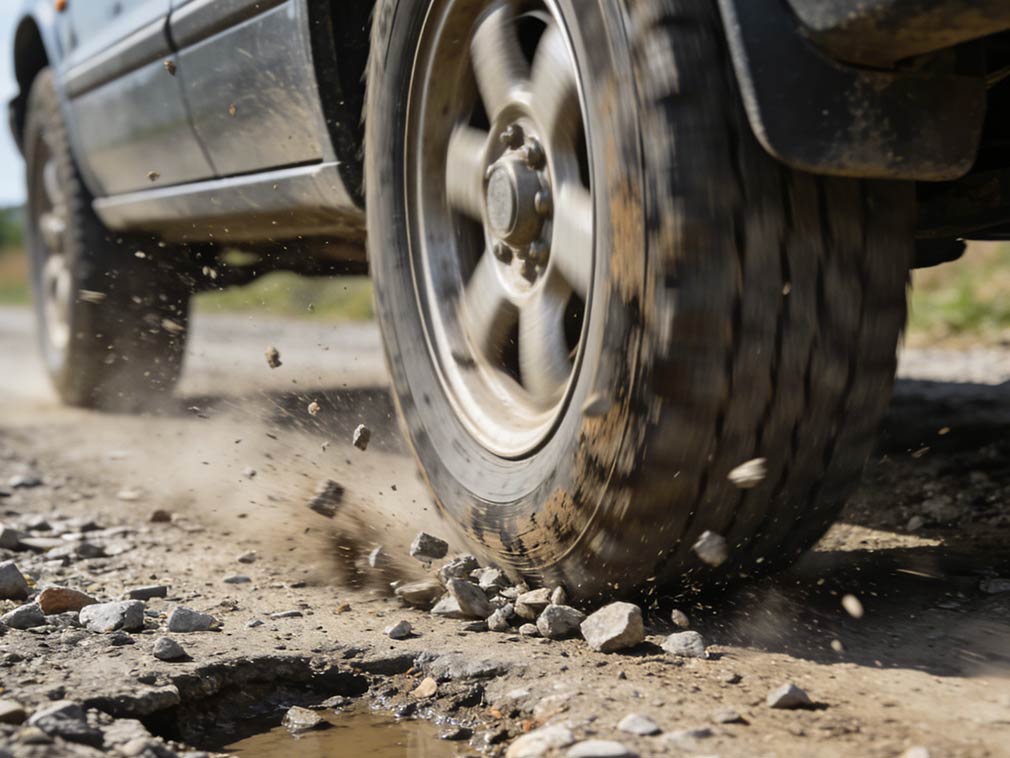
The resulting centrifugal force causes wheel vibration, accelerating tire wear and interfering with steering stability. Even with regular dynamic balancing, natural wear of wheel components will inevitably lead to imbalance problems again as mileage increases. These unavoidable factors interact to affect tire life and vehicle control safety.
While they cannot be eliminated entirely, understanding their patterns of influence and taking measures such as regularly checking tire condition, replacing tires with the appropriate ones according to the season, and controlling vehicle speed appropriately can effectively reduce their negative impacts. This extends tire life and maximizes vehicle stability and safety.