Wheel Steer Backhoe Leads East China
Based on terminal shipment data, actual dealer sales volume, and real-world user feedback from construction sites across the country over the past two years, the regional performance of Shanlin Heavy Industry's four-wheel steering excavator loader in the domestic market shows significant differentiation. Currently, the largest sales volume is concentrated in East China, with core shipping provinces including Shandong, Jiangsu, Anhui, and Zhejiang.
The Southwest region, including Yunnan, Guizhou, Sichuan, and Chongqing, is experiencing strong growth momentum with considerable sales increases and significant potential for further growth, but overall shipment volume remains lower than in East China. Demand in central provinces such as Henan, Hubei, and Hunan remains stable, but market distribution is relatively scattered, and the level of demand and concentration lags behind that of East China.
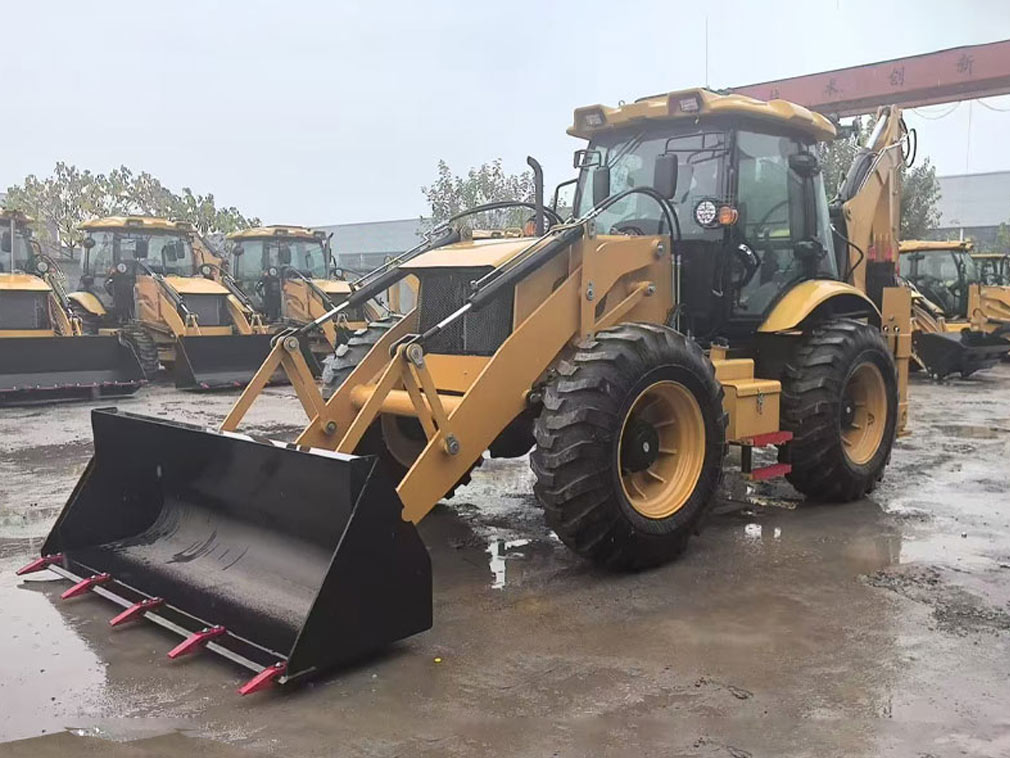
The continued leading sales position in East China is not due to short-term marketing boosts. The fundamental reason lies in the fact that the local construction environment perfectly matches the core characteristics of four-wheel steering excavators, while older two-wheel steering equipment exhibits significant adaptability limitations in this region.
Firstly, terrain and operating space limitations are prominent factors. Unlike the vast plains of northern China or the deep mountains of southwestern China, East China is primarily hilly with densely packed villages and towns, and orchards and nurseries scattered throughout. Village lanes, field paths, and orchard access roads are generally narrow, with many sections only three or four meters wide.
Conventional excavators and loaders have fixed dimensions and a large turning radius due to their two-wheel steering. When working in narrow alleys, orchards, or farmyards, they often need to repeatedly reverse and adjust their position, affecting work efficiency and increasing the risk of collisions with walls, fruit trees, and underground pipelines, leading to rework and damage.
Four-wheel steering machines, on the other hand, have small-radius turning and crab-like lateral movement capabilities, allowing for precise work close to edges without extensive machine movement, making them highly suitable for the scattered and confined construction environments of East China.
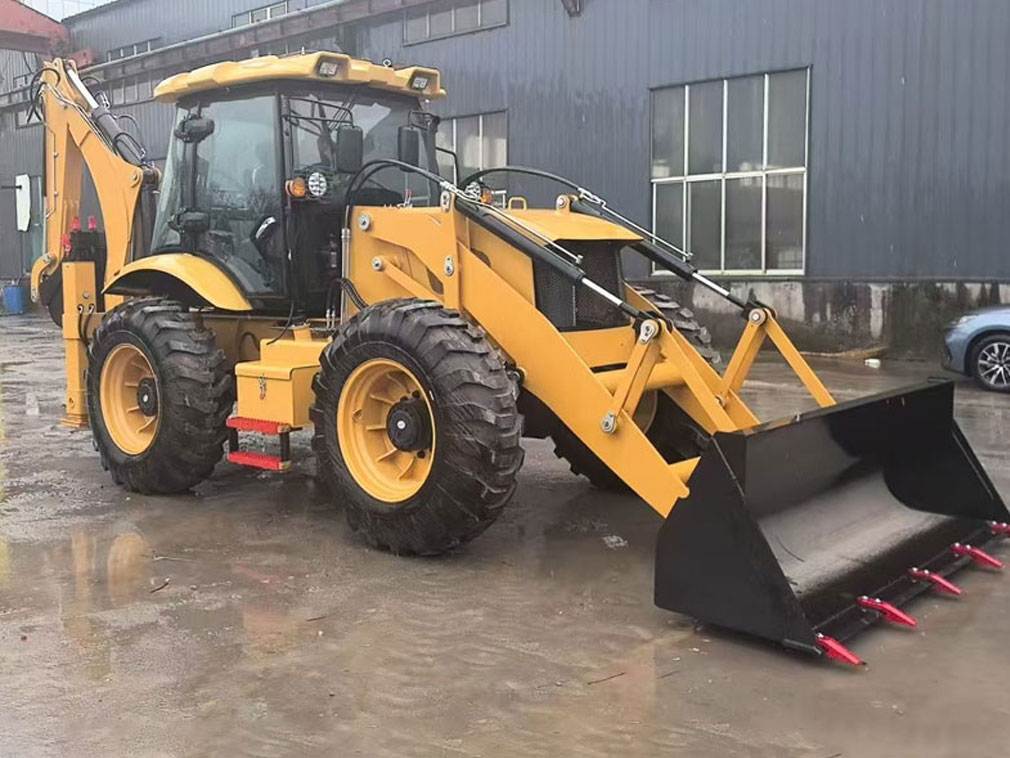
Secondly, the numerous and frequent infrastructure projects in East China's towns and villages perfectly suit the operational needs of small equipment. The region boasts a vibrant township economy, with various scattered projects occurring year-round in villages and streets. These include rural living environment improvement, rural road paving, underground pipeline renovation, courtyard leveling, orchard land preparation, and seedling transplantation.
These projects are typically small in scale and limited in space, making it difficult for large excavators and loaders to access the sites. Manual labor is costly and inefficient. Against this backdrop, multi-functional mini excavators and loaders become a more reasonable choice. The region has numerous construction teams and agricultural machinery cooperatives, resulting in rapid equipment upgrades. Older equipment is often replaced after a few years, leading to continuous demand and a stable market.
Comprehensive after-sales service and spare parts supply are also crucial to the continued popularity of these products in the East China market. East China enjoys convenient transportation and logistics, with a relatively dense network of authorized dealerships and after-sales service outlets, ensuring that commonly used spare parts are readily available. For construction machinery users, equipment uptime is critical; downtime directly impacts profits.
The four-wheel steering system of this model adopts a modular design, making its structure relatively simple and durable. Local ordinary construction machinery repair shops can handle routine maintenance and parts replacement, eliminating the need for lengthy waits for remote after-sales support from the manufacturer, thus effectively reducing downtime. The stable and reliable user experience has directly driven the growth of new and repeat purchase orders.
Now let's look at the Southwest market. This region is characterized by complex terrain such as mountains, slopes, and forest clearings, with varied road conditions and limited work sites. Four-wheel steering equipment offers significantly better flexibility and maneuverability than ordinary models, reducing the risk of getting stuck or jammed, making it suitable for projects such as mountain road repair, water conservancy facility maintenance, ecological restoration, and forest infrastructure.
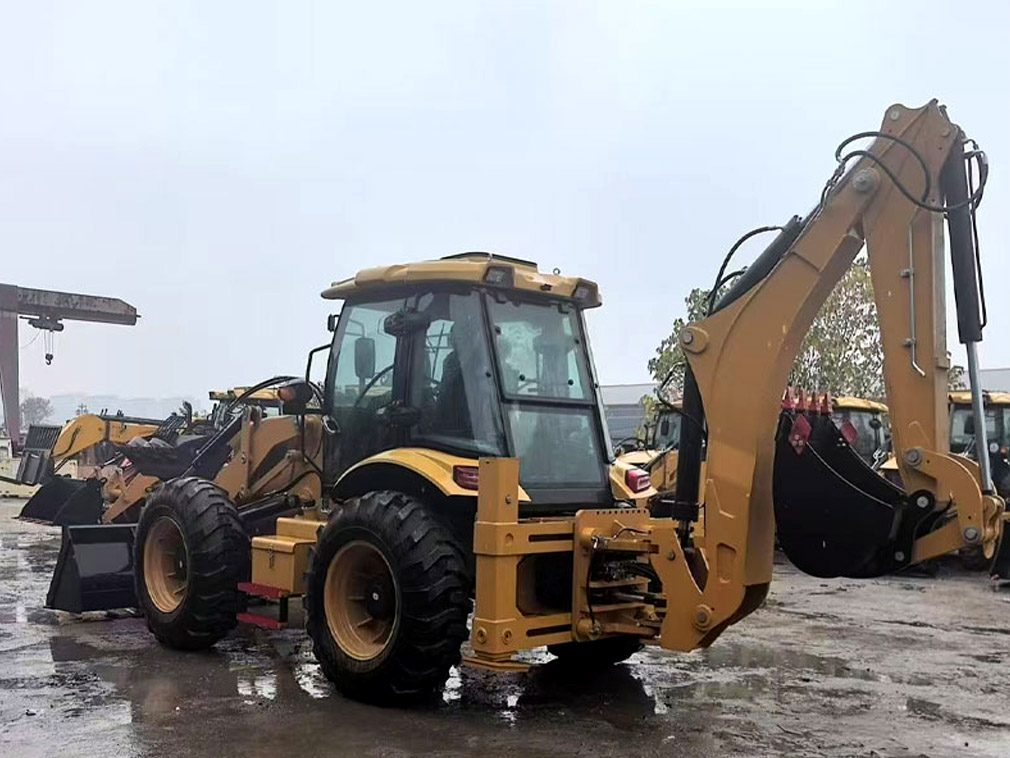
In the past two years, the increase in infrastructure projects in Southwest China, coupled with the replacement of a large number of older equipment, has directly driven the rapid increase in sales of these flexible models. However, the Southwest market also has significant shortcomings: the vast area results in a sparse distribution of after-sales service outlets, longer parts delivery cycles, higher maintenance costs, and difficulties in timely response to after-sales support at remote construction sites.
This also means that the overall sales volume in Southwest China remains significantly lower than in East China. The central provinces represent a stable, growth-oriented market. Projects such as the renovation of old urban streets and alleys, the refurbishment of urban villages, and routine municipal maintenance create a steady demand for flexible, small excavators.
However, the central region also has many open plains construction sites where large-scale earthmoving and infrastructure construction tend to require larger engineering equipment, diverting orders for smaller equipment to some extent. Therefore, overall sales in the central region are stable, and explosive growth is unlikely in the short term.
The East China region's significant sales lead can be attributed to three main factors: a high degree of matching between construction conditions and equipment performance, continuous rigid demand from high-density, scattered infrastructure projects, and a mature after-sales maintenance system ensuring efficient equipment uptime.
In comparison, other regions may have limitations in adaptability to construction scenarios or an underdeveloped after-sales support network. In terms of market maturity and demand stability, they are currently unable to surpass East China.