
Why SUV Tires Cost More?
From exterior observation, standard passenger car tires and dedicated SUV tires of the same rim size and tread pattern show almost no visual differences. However, manufacturers have implemented comprehensive structural reinforcements inside SUV tires to adapt to differentiated vehicle operating conditions. This core structural difference explains why SUV tires with identical external specifications feature higher unit weight and higher market prices across global auto parts markets, even with consistent surface designs.
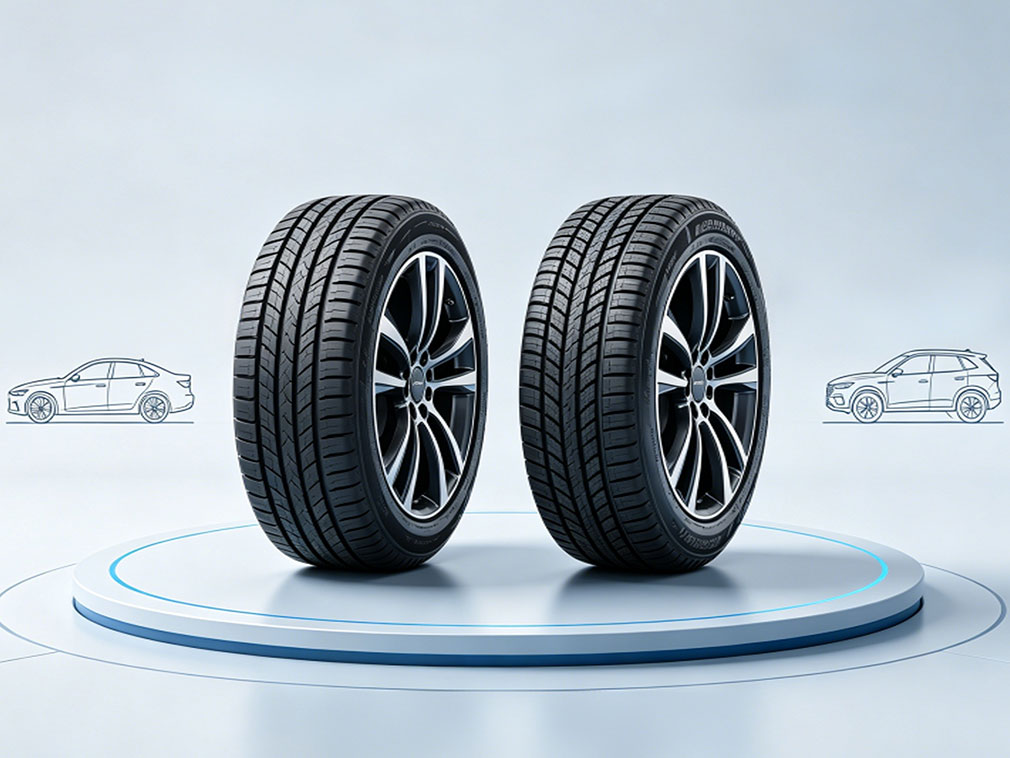
In the global automotive market, SUVs own inherent vehicle attribute gaps compared with conventional passenger cars. A typical SUV has a curb weight 300kg to 500kg higher than peer sedans, paired with a higher ground clearance and elevated center of gravity. During daily highway driving, sharp cornering, emergency lane changes, or light off-road driving including speed bumps and gravel roads, SUV tires bear far greater vertical impact force, lateral extrusion force and tire deformation stress than ordinary passenger car tires.
Standard passenger car tires are engineered prioritizing riding comfort, low rolling resistance and noise reduction with relatively soft internal structures, which cannot sustain long-term high-load operation of SUV models. All structural upgrades for SUV tires are hidden under outer rubber layers, bringing zero changes to external appearance parameters.
Sidewall reinforcement serves as the most prominent structural upgrade for SUV tires. Conventional passenger car tires adopt fewer cord layers and softer rubber compounds on sidewalls to absorb road vibration and optimize daily riding comfort. By contrast, dedicated SUV tires come with a 20% thicker sidewall structure, plus an extra layer of high-density reinforced cords. Most highway-oriented SUV tires are also equipped with built-in rigid reinforcing ribs on sidewalls.
The optimized sidewall structure effectively restricts excessive tire deformation during high-speed cornering caused by SUVs’ high gravity center, reduces vehicle body roll, and prevents sidewall bulge and tire damage when curbs and road pits are encountered, improving overall impact resistance for complex road conditions.
Significant upgrades are also applied to tire carcass plies and steel belt layers. Despite unified external dimension standards, SUV tires adopt steel cords with higher density and more compact steel belt arrangement to enhance overall carcass rigidity.
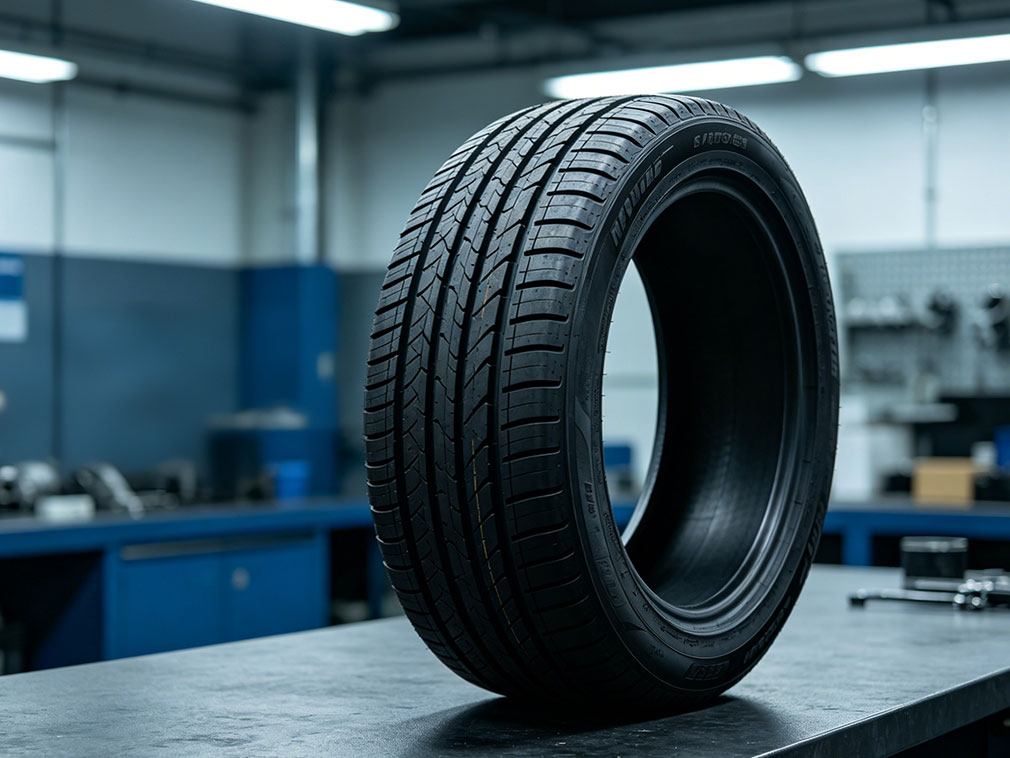
Industrial load index data can directly reflect the performance gap: mainstream passenger car tires feature a load index of 98 with a maximum single-tire load capacity of 750kg, while matching SUV tires upgrade the load index to 105, supporting a maximum single-tire load up to 925kg, realizing a 23% improvement in load-bearing performance.
Enhanced carcass structures disperse vehicle weight pressure evenly, restrain excessive internal heat accumulation under full-load and high-speed driving scenarios, and lower potential tire failure risks during long-distance transportation and daily commuting.
Manufacturers also adjust the base rubber compound for tire treads targeting different vehicle positioning. SUV tires adopt harder base rubber materials to improve structural support and wear resistance, coping with greater downward pressure brought by heavier SUV vehicle bodies. Passenger car tires apply softer base rubber to boost road surface fitting performance and reduce driving noise. The extra consumption of rubber materials and steel cords directly increases the gross weight of SUV tires, with each single tire weighing 1kg to 2kg more than matching passenger car versions.
The price premium of SUV tires is driven by both raw material cost growth and additional R&D and manufacturing costs. SUV tires need to balance three core performance indicators: pavement comfort, impact resistance for rough roads and high-temperature durability under heavy loads.
They require more rounds of professional laboratory tests including endurance tests, impact resistance tests and long-term load tests in the R&D phase. Meanwhile, more precise production processes are required to guarantee consistent structural rigidity during mass production, further lifting overall manufacturing costs.
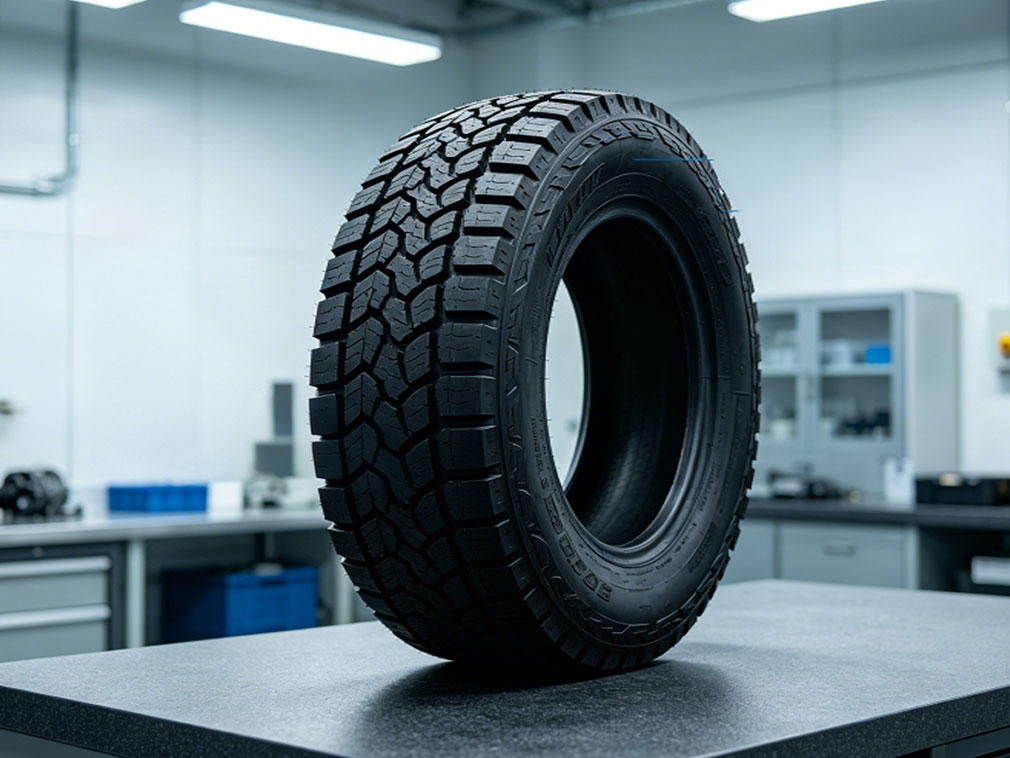
For B2B auto parts distributors and downstream repair shops, mismatched tire matching is a critical hidden safety hazard worth attention. Equipping SUVs with standard passenger car tires with identical external specifications will lead to insufficient lateral support, aggravated uneven tire wear, poor high-speed stability and frequent sidewall bulge faults. In severe cases, sudden tire failure may occur under high-load driving conditions.
Tire procurement and matching should never rely only on external size and tread appearance. Hidden internal structures determine core load-bearing performance and driving safety. The higher weight and price of SUV tires correspond to upgraded material configuration and reinforced industrial structure, which is an essential professional guideline for global auto parts suppliers, tire wholesalers and after-market service providers in standardized tire selection and sales.




