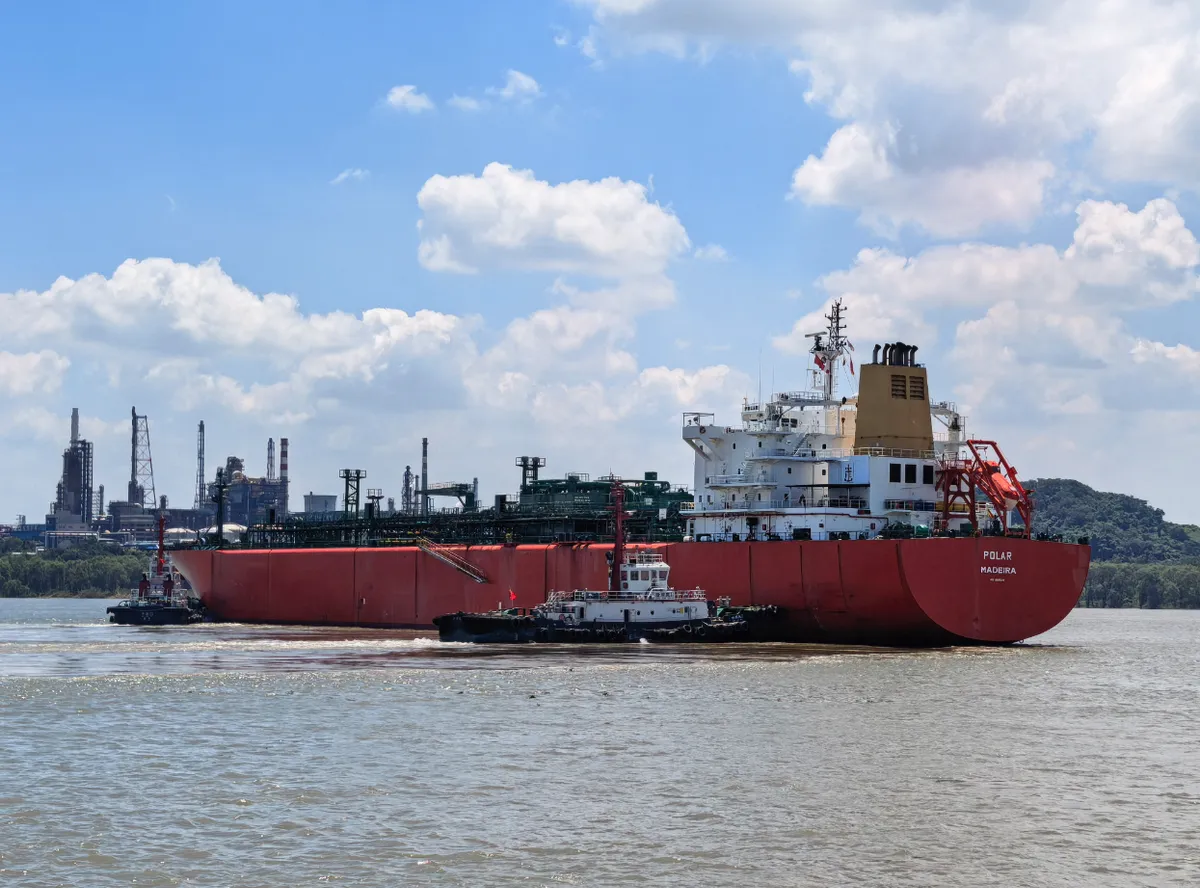
On the first day of the National Day holiday, Zhenjiang Maritime Bureau ensured the safe crossing of 33,500 passengers on the Zhenjiang section of the Yangtze River.
At 6 a.m. on October 1, a long line of vehicles had already formed at the Zhenjiang-Yangzhou ferry terminal. The sound of ship horns echoed as ferries smoothly transported passengers and vehicles to the opposite shore. By 5 p.m. that day, the Zhenjiang Maritime Bureau had provided full-process service guarantees for 648 ferry trips, ensuring the safe crossing of 33,500 passengers and over 13,000 vehicles. Compared to September 30, the number of passengers and vehicles increased by 76.3% and 26.3%, respectively, with the ferry operations bustling yet orderly.
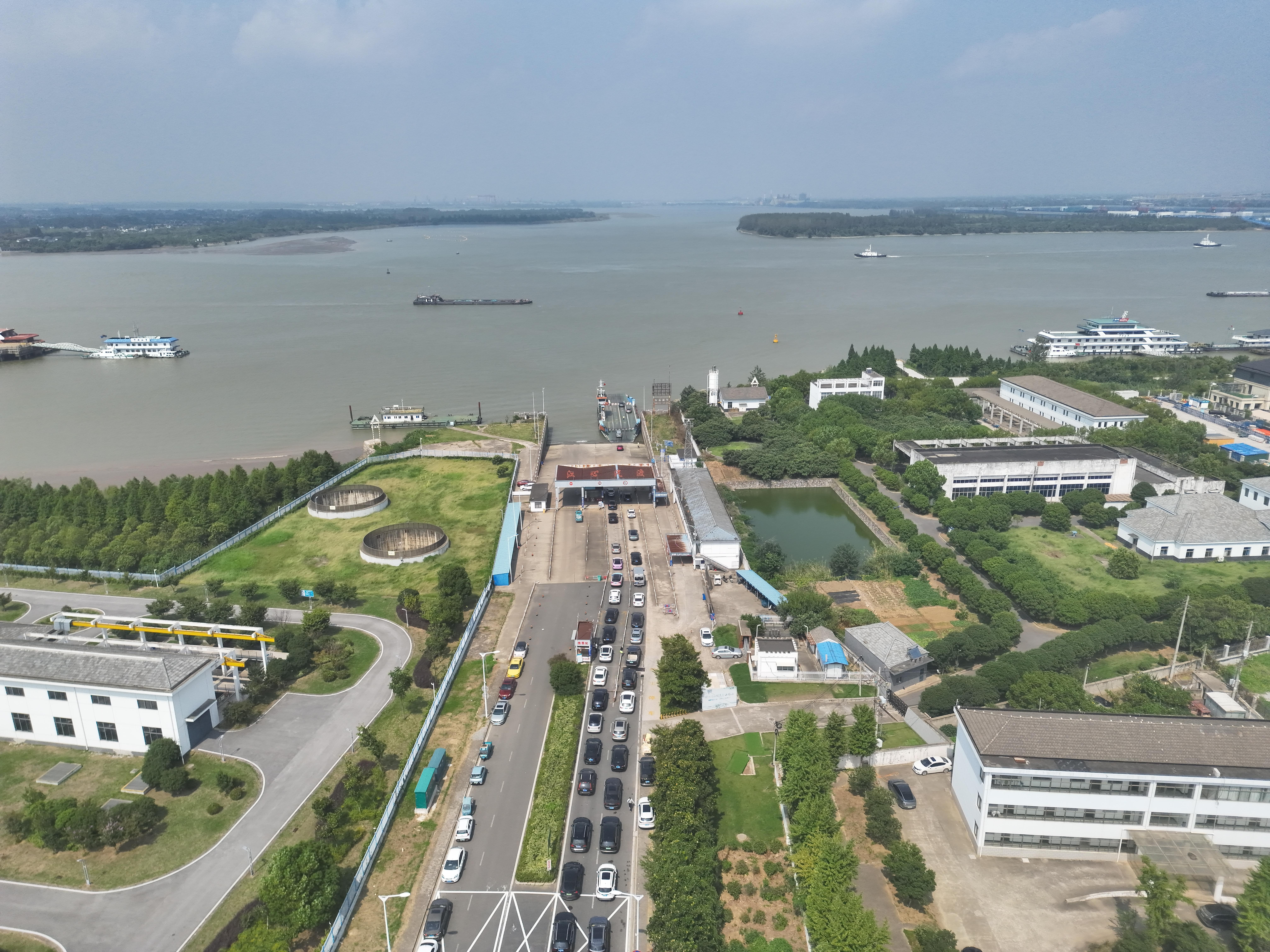
Faced with a sudden surge in travel demand on the first day of the National Day holiday, the Zhenjiang Maritime Bureau focused on ensuring the "absolute safety" of passenger vessels. They implemented upgraded management controls across five ferry routes under their jurisdiction, with dedicated personnel, teams, and stations providing full-process support to safeguard the safety of every passenger crossing the river.
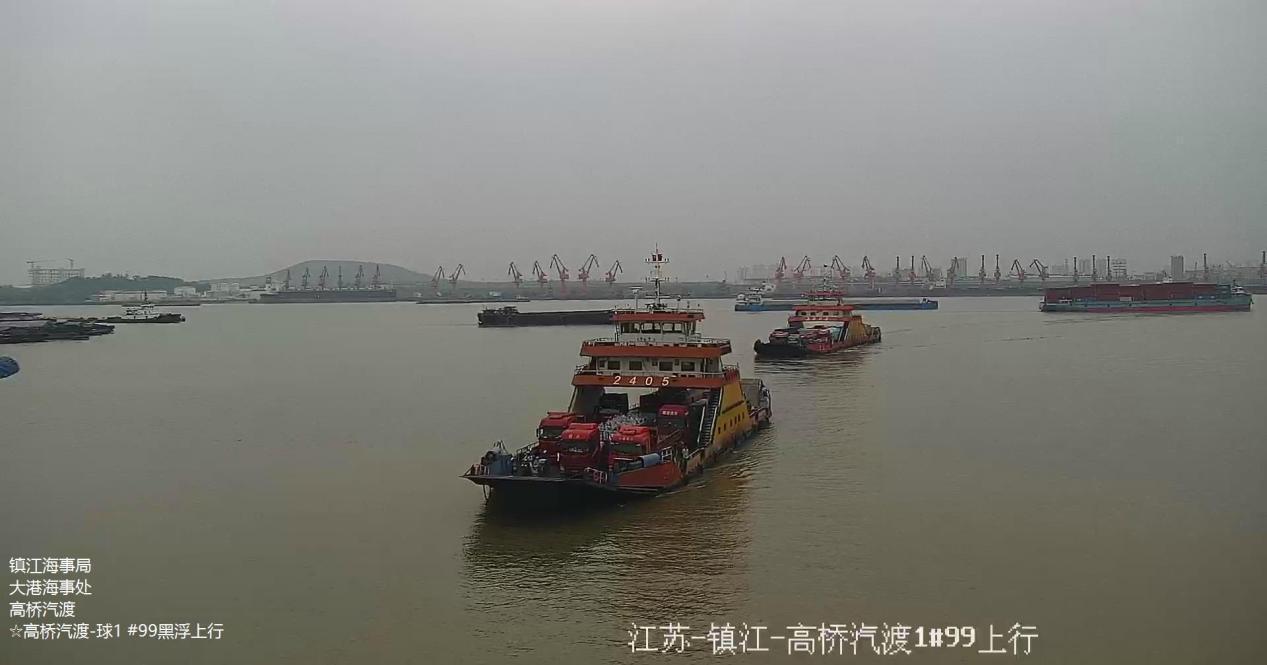
"Dedicated station" monitoring ensures full control over each vessel's status. At the Zhenjiang Maritime Bureau's traffic control center and rapid response center, screens in front of the ferry monitoring staff continuously display real-time images of various ferry routes in the jurisdiction. Data from VTS, AIS, CCTV, and other sources converge here, providing a clear view of ferry routes, passenger numbers, and crew positions. During the National Day holiday, the monitoring system shifted from routine surveillance to continuous focused oversight. Duty personnel tracked the departure and arrival of each ferry trip, promptly dispatching on-site teams to address issues such as abnormal speeds, course deviations, or vehicle congestion at terminals. The "two-level centers" — the traffic control center and rapid response center — operate in coordination, monitoring ferry operations in real time to ensure every voyage is visible, manageable, and controllable.
Shifting from "shore-side inspections" to "on-board monitoring," ferry checks are implemented by assigned personnel. Unlike previous practices of waiting at the terminal for inspections, the Zhenjiang Maritime Bureau shifted the focus of safety supervision to the ferries themselves on the first day of the National Day holiday. Enforcement officers carried out "on-board checks," focusing on critical steps such as passengers and vehicles boarding and disembarking. They maintained order on-site and assisted ferry operators in managing peak passenger volumes. Priority was given to inspecting the seaworthiness of vessels, the supply of firefighting and lifesaving equipment, and the strict enforcement of measures such as exclusive ferries for hazardous materials and designated parking zones for new energy vehicles. Officers strictly prohibited overloading and risky departures. In the ferry’s pilothouse, enforcement officers worked shoulder to shoulder with crew members, closely monitoring every docking and crossing operation to ensure proper compliance by the crew at all times.
Peak-time stationing and pre-positioning of emergency forces near ferry routes. In response to the peak in traffic flow on the first day of the National Day holiday, the Zhenjiang Maritime Bureau deployed four marine patrol boats to key ferry water areas, including the Zhenjiang-Yangzhou and Jiaoshan ferry routes, to maintain navigation order and respond immediately to emergencies.
"There's no room for 'almost safe' in ferry operations, only 'absolute safety'," said Liu Zhu, the Director of the Zhenjiang Maritime Bureau's Command Center. During the National Day holiday, the maritime authorities will continue to adhere to higher-than-usual and more stringent-than-ordinary standards to ensure the safest journeys for every passenger crossing the river. From monitoring screens at dedicated stations to the decks of ferry vessels, from AI system alerts to patrol boats stationed on the water, a comprehensive "pre-assessment, real-time monitoring, and post-incident response" safety network has been effectively established and implemented along the Zhenjiang section of the Yangtze River.
-
On the first day of the National Day holiday, Zhenjiang Maritime Bureau ensured the safe crossing of 33,500 passengers on the Zhenjiang section of the Yangtze River.4413
-
The first provincial-level crew industry party committee in northern China was established in Tianjin.4810
-
A shipbuilder's craftsmanship brings safety across thousands of miles | The story behind the construction of "Beihai Rescue 151"3864
-
Jiangsu Launches First Container Shipping Route to Mexico4540
-
The on-site observation and exchange activity for the "Zero Discharge" initiative of ship water pollutants at ports in Fujian Province was held in Putian.3466