China’s EV Tire Market Transformation Challenges
In April 2026, the structural changes in China's passenger vehicle market deepened further. The latest data from the China Passenger Car Association (CPCA) shows that the retail penetration rate of new energy passenger vehicles reached a record high of 61.4% that month; while the retail volume of gasoline vehicles was only 530,000 units, a year-on-year decline of 37%.
This reversal in the hybrid vehicle market is no longer limited to the vehicle manufacturing sector but is driving a profound transformation in the fundamental supporting component of tires.
Unlike the rapid penetration of vehicle electrification, the market promotion of tires specifically designed for new energy vehicles has been noticeably slower. This is hardly a case of slow industry action, but rather an unavoidable transition period for traditional manufacturing systems adapting to the new automotive form.

In the past, the entire R&D and production system of domestic tire manufacturers was built around the usage scenarios of gasoline vehicles, with market focus consistently on wear resistance and cost-effectiveness.
However, the increased vehicle weight, instantaneous high torque of electric motors, frequent start-stop cycles, and high sensitivity to range brought about by electric vehicles have placed entirely different demands on tire rolling resistance, load-bearing capacity, noise reduction, and grip performance. The old product thinking needs a complete overhaul.
This fundamental shift in demand has placed real pressure on the tire industry to transform. Achieving low rolling resistance, high load-bearing capacity, strong grip, and simultaneous wear resistance presents inherent technical challenges. Traditional formulas and structures struggle to fully meet these requirements, necessitating systematic resource investment and a restructuring of R&D logic – a significant hurdle.
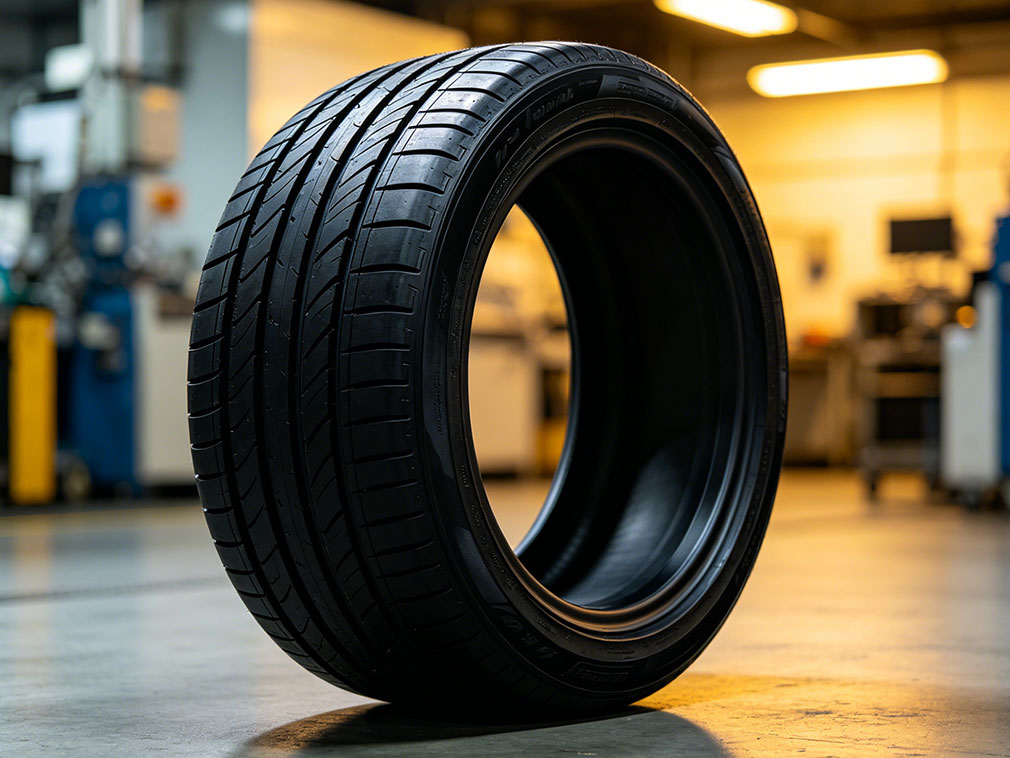
On the cost side, high-quality raw materials and more refined manufacturing processes typically result in specialized tires being more expensive than traditional products. Furthermore, with market awareness still in its early stages, most car owners prioritize wear resistance and price when purchasing tires, lacking a strong perception of the value of specialized products in areas such as range and safety. These combined factors make the progress of the new energy tire industry appear stable, but the pace is slow.
However, these initial pressures are gradually transforming into a driving force for industrial upgrading. Technologically, several leading domestic tire companies began their strategic planning early on, repeatedly optimizing rubber formulas, tread patterns, and tire structures to gradually resolve various performance bottlenecks. Currently, the core parameters of many of their products are comparable to international mainstream levels.
Regarding costs, as market demand for specialized tires continues to grow, large-scale production has effectively reduced R&D and manufacturing costs, narrowing the price gap with ordinary tires and highlighting their cost-effectiveness advantage. More direct impetus comes from both ends of the market: More and more car owners are experiencing firsthand that using ordinary tires leads to faster wear, insufficient wet grip, and reduced range, thus recognizing the true value of specialized tires.
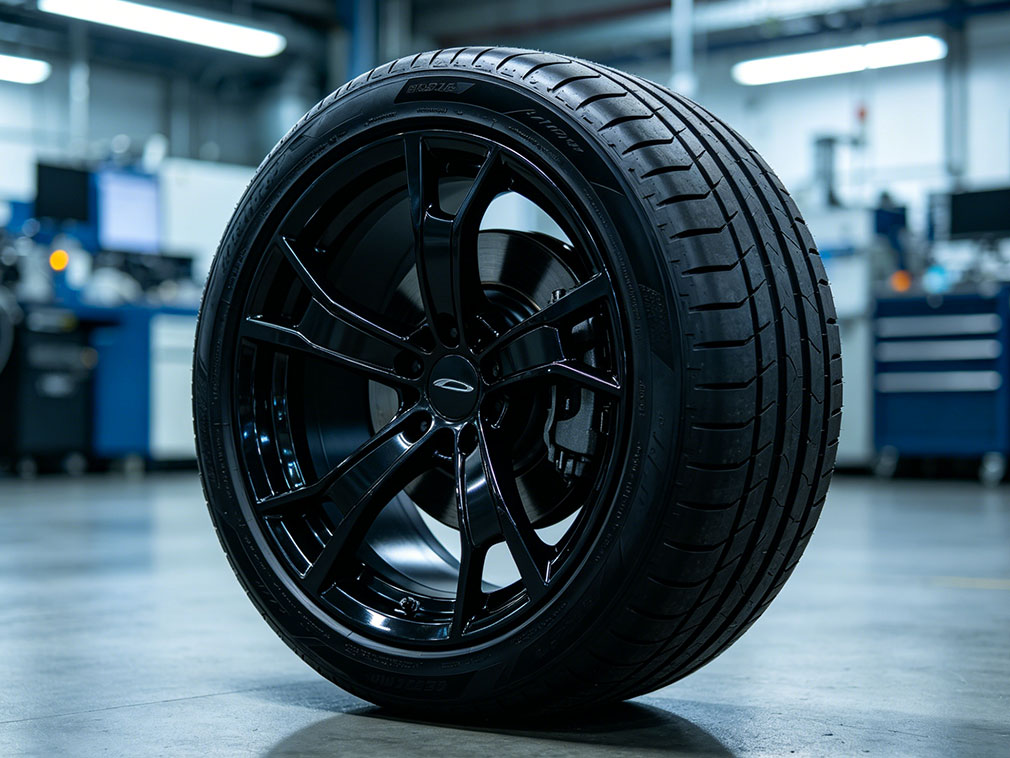
Meanwhile, OEMs are taking even clearer action, with major domestic new energy vehicle manufacturers making specialized tires standard equipment on new vehicles, directly driving accelerated product iteration from the upstream of the supply chain.
Tires are the only component of a car that comes into contact with the ground, directly impacting safety, energy consumption, and driving experience. China's automotive electrification transformation has reached a point where it no longer relies solely on breakthroughs in the three core electric systems (battery, motor, and electronic control system), but is extending and deepening towards the very end of the industry chain.
The adjustment currently underway in the tire industry precisely illustrates that the entire electrification transformation is completing a systematic closed loop. As specialized tire technology becomes more widespread, each suitable product will become a crucial link in optimizing range and ensuring safety, providing a meaningful reference model for the global new energy vehicle component industry.