Iron Shoulders Guarding the Nation's Gateway, Craftsmanship Leading the Way to Triumph: A Glimpse into 75 Years of Dalian Port Pilot Station's Pilotage Development
The vast expanse of the Yellow and Bohai Seas surges endlessly, and the century-old tides of Dalian Bay continue to write a new chapter.
1951 to 2026, a span of 75 years. For an individual, it's a journey from youth to old age; for a team, it's a grand journey from reclaiming sovereignty to cultivating excellence.
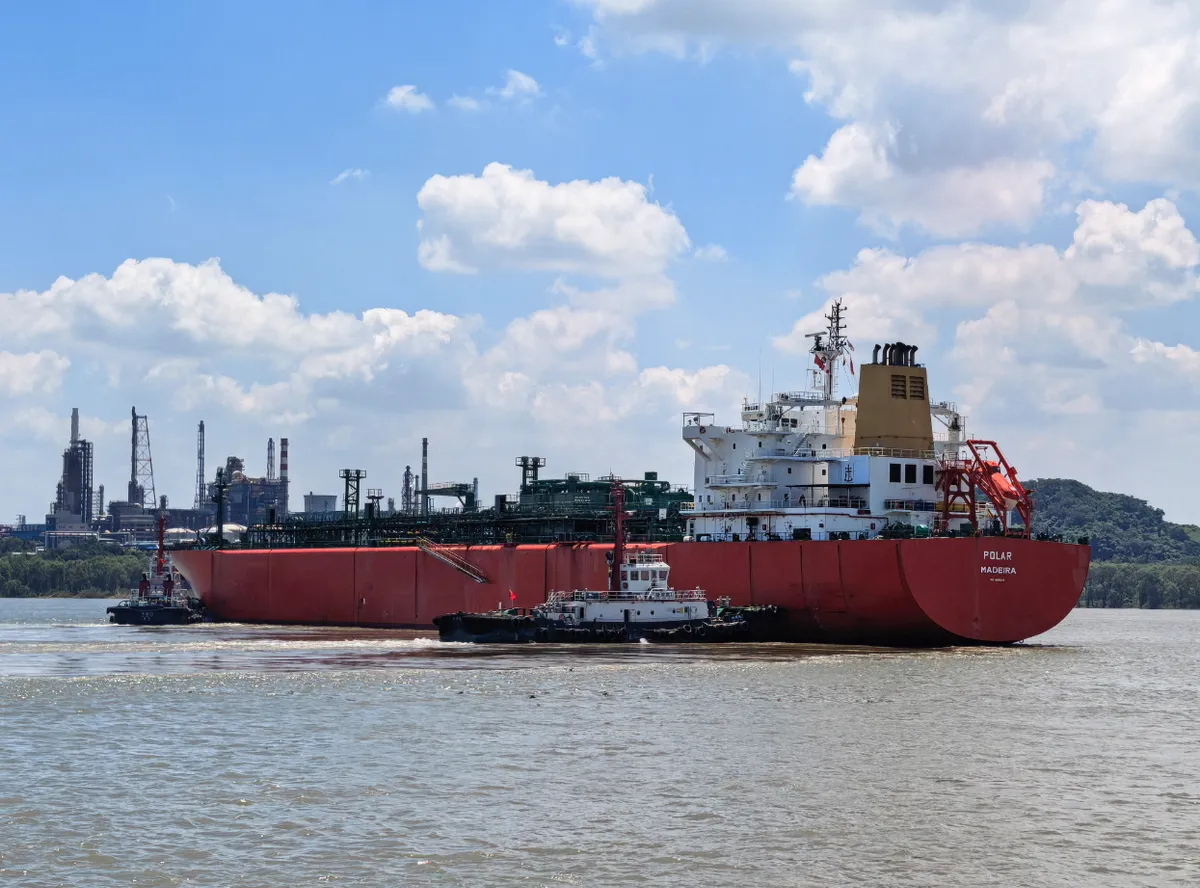
Dalian Port, an early core maritime gateway for China's opening to the world and a key hub of the Northeast Asia International Shipping Center. In these complex waters, marked by strong winds, heavy fog, turbulent currents, and frozen paths, a dedicated team of just over 60 people has guided more than 560,000 vessels, crafting a story of struggle and growth for the piloting industry in China. They strive not to be the largest but to excel in skill, strength, and reputation.
For 75 years, the Dalian Port Pilot Station has progressed from ending the humiliating history of foreign monopoly piloting, to starting from scratch to explore uncharted waters. From overcoming bottlenecks in piloting large ships in the 1990s to shouldering a national mission in this new era, generations of pilots have achieved breakthroughs and upheld their commitment time and again. They have built world-class piloting strength, establishing a technical benchmark for Chinese piloting on the shores of the Yellow and Bohai Seas.
The Mark of History: Reclaiming Sovereignty and Laying the Foundation
A thriving maritime industry signifies a thriving nation. Piloting rights symbolize national sovereignty. Enforcing compulsory piloting in territorial waters directly upholds national sovereignty and maritime rights, asserting national authority.
Dalian Port's maritime legacy stretches far back. For millennia, the ancestors of the Liaodong Peninsula sailed the waves and engaged in trade, with ancient sailors navigating waterways and identifying winds and tides through experience, laying the groundwork for the earliest piloting concepts in these waters.
However, in modern times, foreign invasion and internal collapse saw China’s maritime sovereignty at Dalian Port fall into foreign hands for decades. Under Russian, Japanese, and Soviet occupation of the port for over 40 years, the control of ships in these Chinese waters remained in the hands of foreign personnel, while Chinese native pilots had no authority to steer vessels.
Despite having unfathomable seas, the inability to steer even a single ship became an enduring mark of humiliation in the modern history of ports and shipping.
However, sovereignty was regained and spring returned to the seas. In 1951, the Dalian Port Piloting Institution was established as history demanded. At that time, the piloting industry was nascent: there were insufficient pilots, the port lacked basic resources, and there were no navigational marker systems or effective navigation assistance equipment.
In support of Northeast China’s old industrial base and its role in national development, the first generation of domestic Chinese pilots stepped forward. They worked tirelessly to progress amidst great adversity—working around the clock when manpower was insufficient, often putting in over ten hours of work a day. Lacking hydrological data, they used their ships as markers and the sea as their chart, keeping day and night tides under observation and meticulously recording data. In the absence of navigation aids, they navigated channels by eyesight, steered routes from experience, and communicated using whistles and hand signals.
Amid the bitter cold of winter, the sea breezes cut like knives, whistles froze to lips, and the roar of ship horns was deafening. Prolonged irregular work hours and high-risk environments left many with chronic hearing loss and joint pain caused by rheumatism. Still, that generation of pioneers worked with bare hands, struggling against the odds to lay the foundational techniques for Dalian Port's piloting operations. Ultimately, their efforts ended the history of foreign monopolization of Chinese piloting services.
After undergoing systematic reforms and evolving with the times, Dalian Port Pilot Station was officially named in 1986. Since 2006, it has transformed into a public welfare institution directly under local transportation authorities, fully returning to its original mission of public service. Over 75 years of development, this steadfast team has blazed a unique path in Chinese piloting, characterized by technical mastery, triumph in challenging circumstances, and leadership through professionalism.
Riding the Waves: Breaking Bottlenecks in the Era of Giant Ships
Following China's adoption of reform and opening-up policies, its ports experienced a transformative era marked by rapid advancements in scale, depth, and internationalization. Dalian Port saw upgrades in its berths, deepening of waterways, and annual growth in throughput, bringing an unprecedented demand for cutting-edge piloting technology in response to the frequent docking of large vessels.
Only by daring to lead can one stay ahead. In March 1979, the world's largest luxury British cruise ship of the time, the "Queen Elizabeth 2," made its maiden voyage to Dalian. With a length of 293.25 meters and a gross tonnage of 67,000, it arrived amidst gales of Force 8 winds. The pilot aboard the ship first steered it into an advantageous position against the wind, then used tugboats to push and turn the ship into port, successfully docking it at Pier 2 of Dalian's main harbor. Complimenting their skills, the foreign captain remarked, “I’ve been to many ports worldwide, but your pilots are the best in the world.” These words of praise resonate to this day.
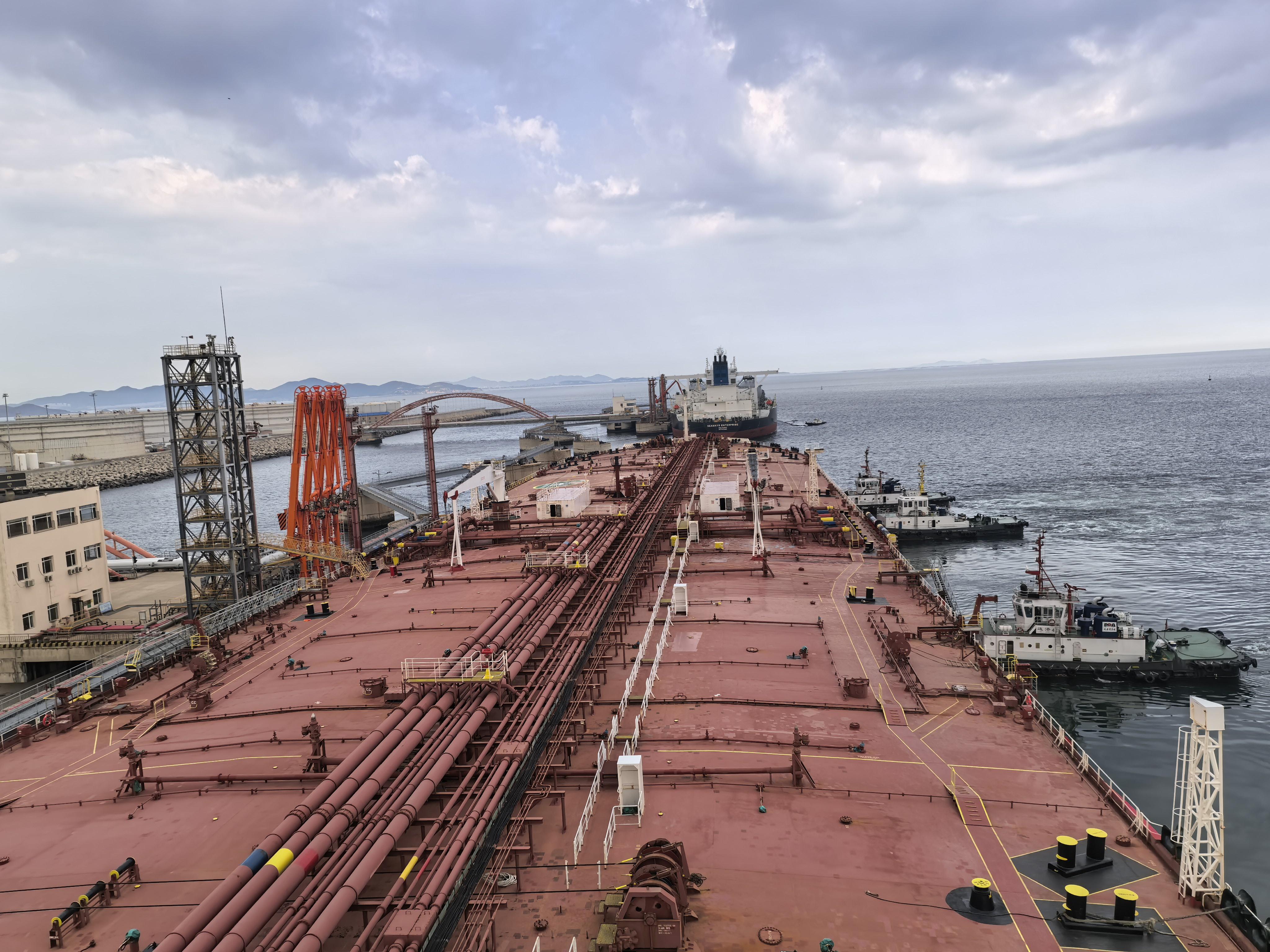
In the 1980s, the pilots of Dalian Port braved technical frontiers and conquered uncharted areas, becoming pioneers in handling complex berthing procedures for large bulk carriers, tankers, and ocean-going container ships in challenging sea conditions. Overcoming the unique challenges posed by these massive vessels—such as high inertia, difficult braking, large windward surface area, and significant effects of currents—generations of skilled pilots rigorously reviewed countless operations and simulations. They developed piloting techniques precisely tailored to Dalian’s hydrological features, successfully solving the challenges of maneuvering large ships in strong currents and narrow harbor areas. Their accomplishments filled a technical gap in piloting large vessels at Northern Chinese ports.
Alongside technical breakthroughs, the routine piloting capabilities of the team steadily improved. The Yellow and Bohai Sea regions are characterized by complex seasonal conditions such as spring fog, summer waves, autumn winds, and winter ice. Starting in 1990, the Dalian Port Pilot Station began nighttime regular piloting for most vessels, breaking away from the old rule of prohibiting night navigation for large ships. During the late 1990s, the piloting team overcame the challenges of dense fog and low visibility, enabling precise piloting of critical ships like container vessels to meet schedules. In 2004, they successfully managed routine docking for 300,000-ton supertankers and giant ore carriers, a milestone in their mastery of super-large ship piloting systems.
During this period, the Dalian Port Pilot Station completely moved past its limitations of small-vessel piloting and experience-based operations. It transitioned from providing basic navigation guarantees to delivering high-tech, cutting-edge professional piloting services, establishing a firm foundation for undertaking future complex and high-stakes piloting tasks for national projects, unique ship types, and extreme engineering missions.
Bold Breakthroughs: Escorting National Heavyweights with Responsibility
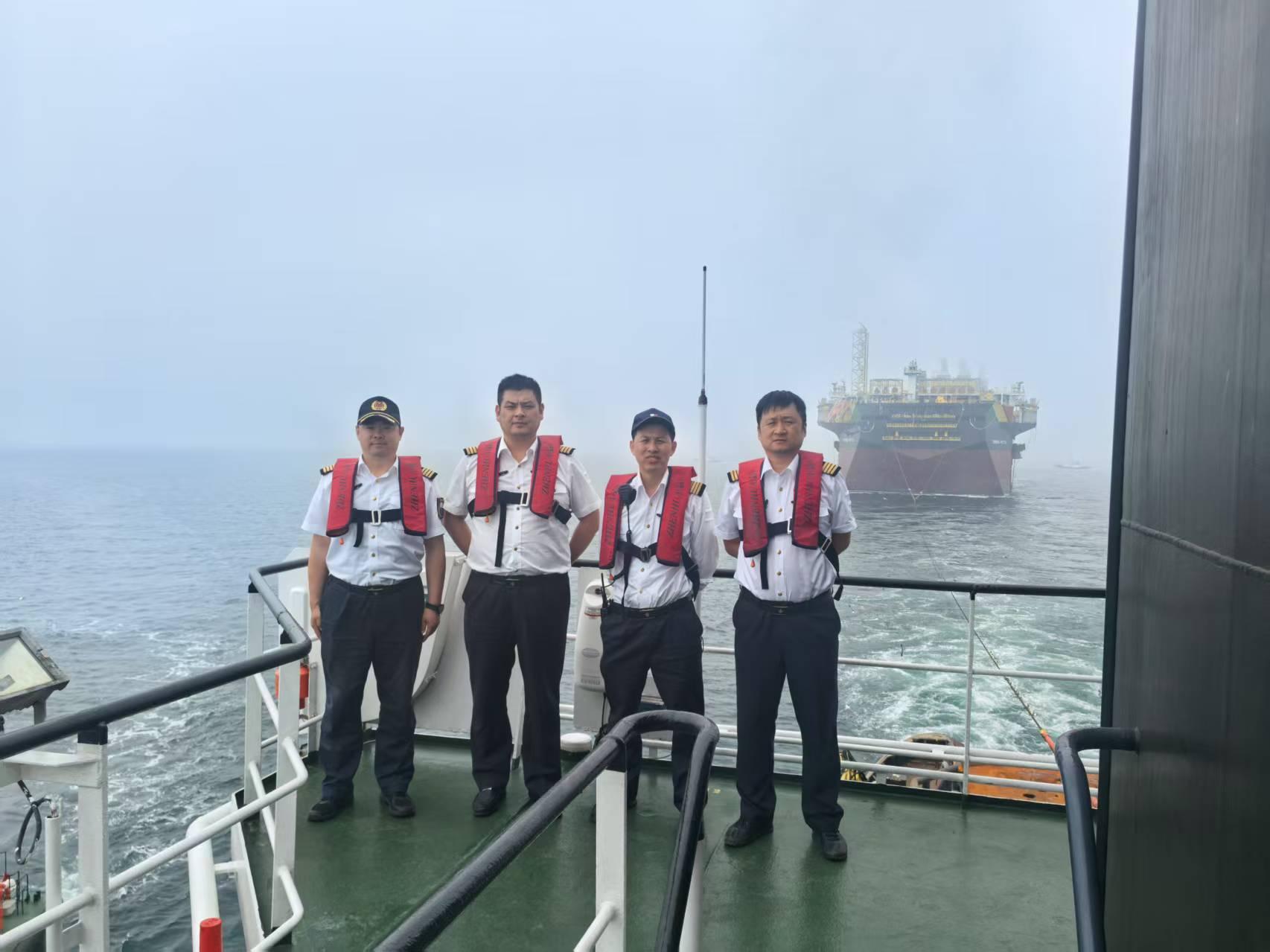
In the new era, ships are increasingly moving toward larger sizes, specialization, and diversity, with an influx of ultra-difficult and unprecedented piloting challenges. Backed by decades of technical expertise, the Dalian Port Pilot Station has become one of the few institutions in the country able to handle high-difficulty piloting challenges across all vessel types, conditions, and hours. They have truly achieved the capability to pilot vessels as large as any in the world.
In the field of large ship piloting, the entire station can safely and accurately navigate ultra-large 450,000-ton crude oil carriers, 400,000-ton mega ore carriers, 24,000 TEU ultra-large container ships, and 260,000-cubic-meter LNG (liquefied natural gas) vessels, ensuring full global service capabilities for mainstream super-large commercial vessels.
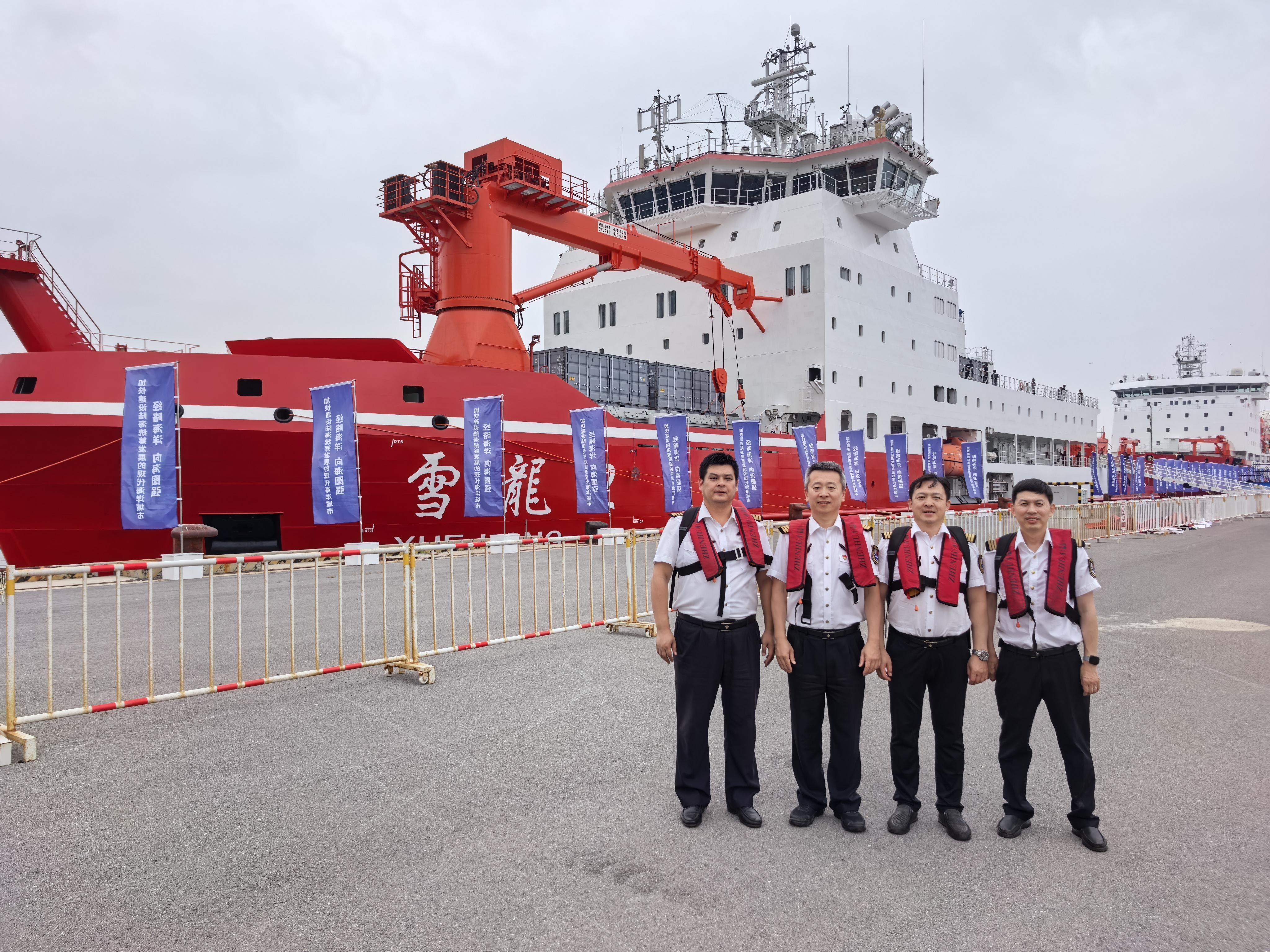
For national heavyweights and special-purpose vessels, Dalian Port Pilot Station has set numerous industry-leading benchmarks and holds unique records nationwide. The port has handled escort duties for the aircraft carriers Liaoning and Shandong, as well as vessels within their support fleets, navigating challenges such as narrow waterways, massive ship sizes, precise maneuvering requirements, and stringent security protocols. The piloting team meticulously planned, finely operated, and flawlessly executed over 100 critical national defense missions, contributing significantly to China's defense capabilities.
The float transportation and precise positioning of 18 gigantic sections for the Dalian Bay Subsea Tunnel was an unprecedented challenge in China’s piloting history. Confronted with short tidal windows, rapidly changing sea conditions, and coordination challenges, from 2020 to 2022, the core piloting team at Dalian Port worked on-site, studying hydrological patterns around the clock, simulating control plans, and refining centimeter-precise operational processes. Their efforts successfully ensured steady flotation, perfect positioning, and smooth installation of tunnel sections. This filled a nationwide gap in providing piloting guarantees for major subsea engineering projects and served as a replicable model for similar tasks across the country.
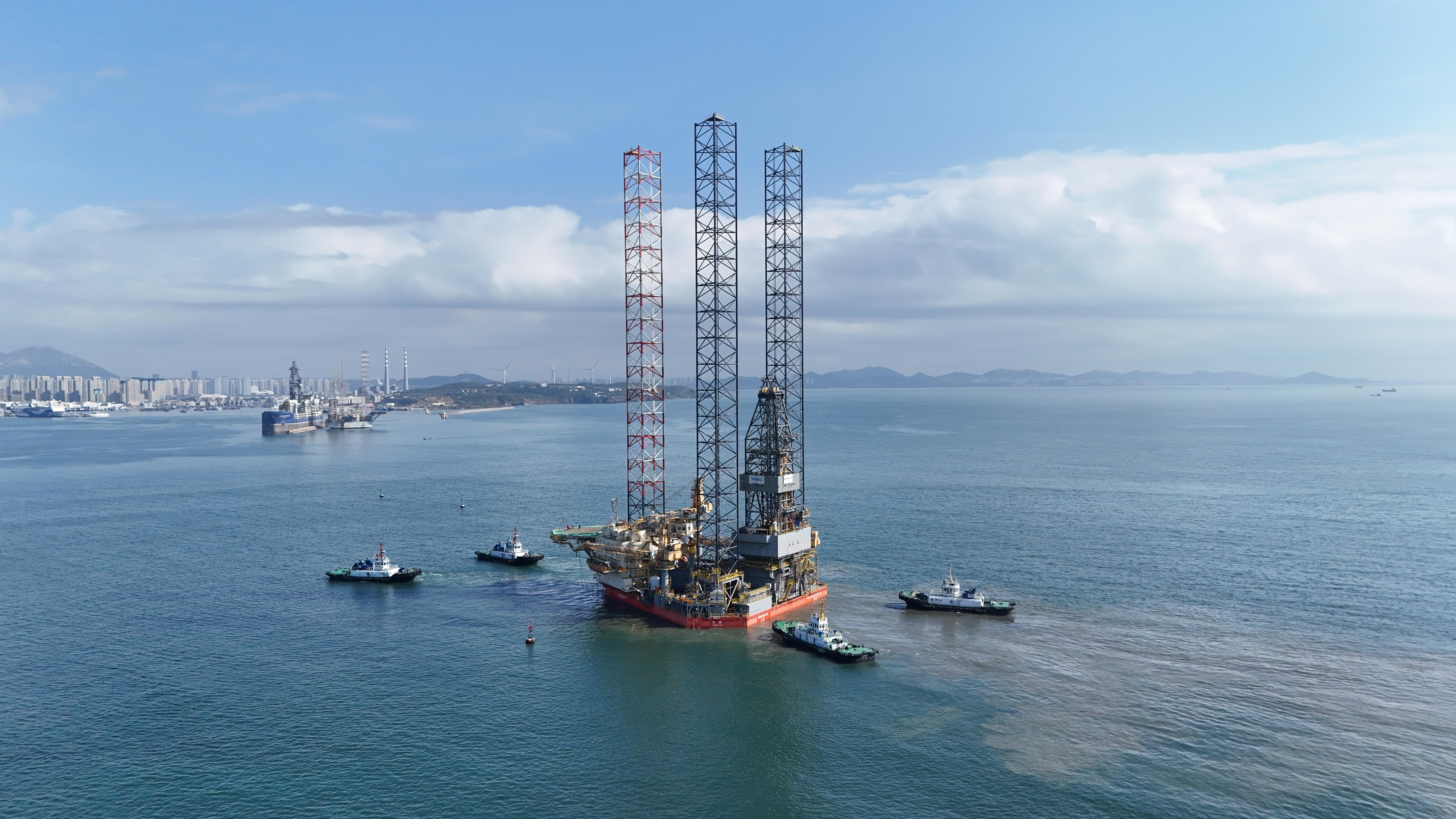
Furthermore, Dalian Port Pilot Station has excelled in safely escorting a variety of highly challenging and rare ship types, including non-powered floating production storage and offloading units, tens-of-thousands-of-tons offshore drilling platforms, gigantic floating docks, ultra-large semi-submersible vessels, and specialized offshore transport ships.
When faced with major disasters, maritime emergencies, or ship crises, Dalian Port pilots respond immediately and head into danger, demonstrating professional expertise and fearless responsibility to safeguard the security of the maritime nation’s borders.
In 2004, the passenger ferry "Liao Hai" caught fire in waters near Dalian Port. A nearby pilot immediately reported the situation and led tugboats to the scene, braving thick smoke and flames to evacuate passengers safely. They managed to save dozens of lives, exemplifying the principle of putting "people first, life first" through their expert skills.
In 2010, the pipeline explosion at the PetroChina tank area in Dalian New Port caused an inferno and widespread oil spills, posing a high risk of re-ignition. Large tankers stranded in high-risk waters were at constant risk of chain explosions. In this critical moment, the Dalian Port Pilot Station took action and worked through the night. Pilots immediately boarded ships within the fire’s core zone and expertly maneuvered the vessels out of the danger area, demonstrating ironclad resolve and averting a major crisis.
According to incomplete statistics, the Dalian Port Pilot Station has participated in hundreds of rescue and disaster response cases over its 75-year history. Through their fearless actions in facing fire, waves, and crises, Dalian Port pilots have proven that piloting is not only a craft but also a profound mission of national and civilian protection at sea.
Smart Empowerment: Pioneering Digital Navigation
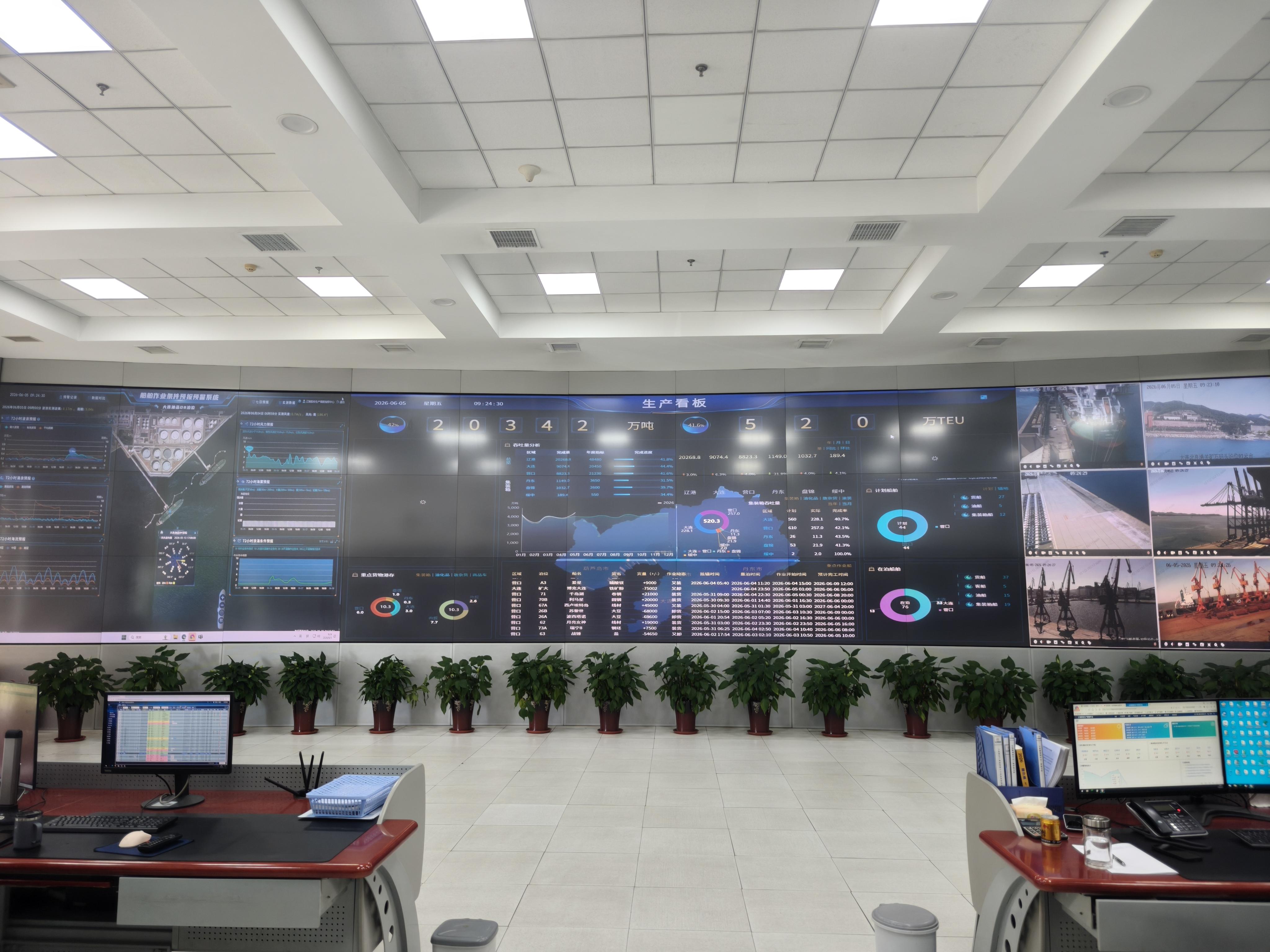
Standing at the forefront of a new era, the Dalian Port Pilot Station aligns itself with the national strategies of building a strong transportation network and a digital China. Starting from basic experiential navigation, it has evolved its intelligent piloting systems over five iterations in the past two decades. By harnessing technological innovation, it enhances operational safety, harnesses data-driven navigation, and fosters efficiency, creating a modern and digitally advanced piloting assurance system.
In 2024, the Dalian Port Pilot Station will establish a professional navigation simulation training center, accurately replicating Dalian Port’s intricate waterways, narrow channels, special berths, and extreme sea conditions in a virtual environment.
Stepping into the training center, a massive panoramic screen immerses participants in realistic scenarios with tough sea conditions and low visibility. Young pilots can be seen practicing emergency response drills with precision and composure. At each command, the simulated ship maneuvers precisely along the narrow channels depicted on the screen while maintaining stability. The center regularly conducts training for the operation of various ships, special vessels, and crisis scenarios, enabling a forward-looking approach to solving practical challenges, studying new ship types, and preparing for emergencies. The digitalized exercises are forging a new generation of advanced and highly-skilled pilots.
In recent years, the Dalian Port Pilot Station has built an intelligent piloting integrated dispatch and command platform, a risk monitoring and assessment system, an intelligent hydrological and weather forecasting system, and a comprehensive simulation training system. Utilizing oceanic data, ship parameters, and past real-world case studies, the station has achieved the ability to predict piloting risks in advance, issue real-time severe weather warnings, and dynamically monitor critical operations. These advancements have effectively moved the practice away from traditional "reliance on experience and human judgment" to a data-driven approach.
For challenges such as night navigation, navigating in fog, or piloting under high wind and strong currents, the intelligent systems can capture real-time data, including wind speed, direction, water currents, and navigational conditions. By accurately calculating vessel control parameters, near-shore risk levels, and future trends, these systems provide critical data support for extreme operations and enhance safety margins.
From manual navigation to data-driven navigation, from experience-based piloting to technology-empowered precision, and from reactive risk handling to proactive risk forecasting, the Dalian Port Pilot Station has achieved comprehensive upgrades in safety precision, operational efficiency, problem-solving capabilities, and overall service capacity. Over 75 years of accumulated hands-on experience combined with cutting-edge digital technology has allowed for mutual empowerment and continuous progress.
Keeping the Flame Alive: Reaffirming Commitment and Setting Sail Again
Upon entering the Dalian Port Pilot Station's history museum, nearly a hundred historical photographs and dozens of exhibits silently narrate the transformative journey of the past 75 years.
A successful enterprise owes its longevity to inheritance; its spirit thrives on continuity. Over 75 years of remarkable achievements, the Dalian Port Pilot Station has not only cultivated top-tier technical expertise but also fostered a precious core spirit of loyalty to the nation, dedication to craft, and selfless devotion.
Veteran pilots treated the sea as their home, their roles as a source of pride, and their career as a lifelong pursuit. Recently, a retired 93-year-old pilot independently composed and penned the "Song of the Pilot". Its melodious tune tells the turbulent stories of the pioneers and reflects the unwavering commitment of the piloting staff, while also extending their heartfelt hopes for the younger generation to carry the torch forward.
For 75 years, the tradition of "mentorship and guidance" has been passed down from generation to generation. Senior pilots share their practical skills, piloting expertise, and sense of professional integrity, while the core mid-generation shoulders responsibility with ingenuity and serves as a leading example. Meanwhile, young pilots are diligently learning, striving to excel, and growing into the waves of this legacy.
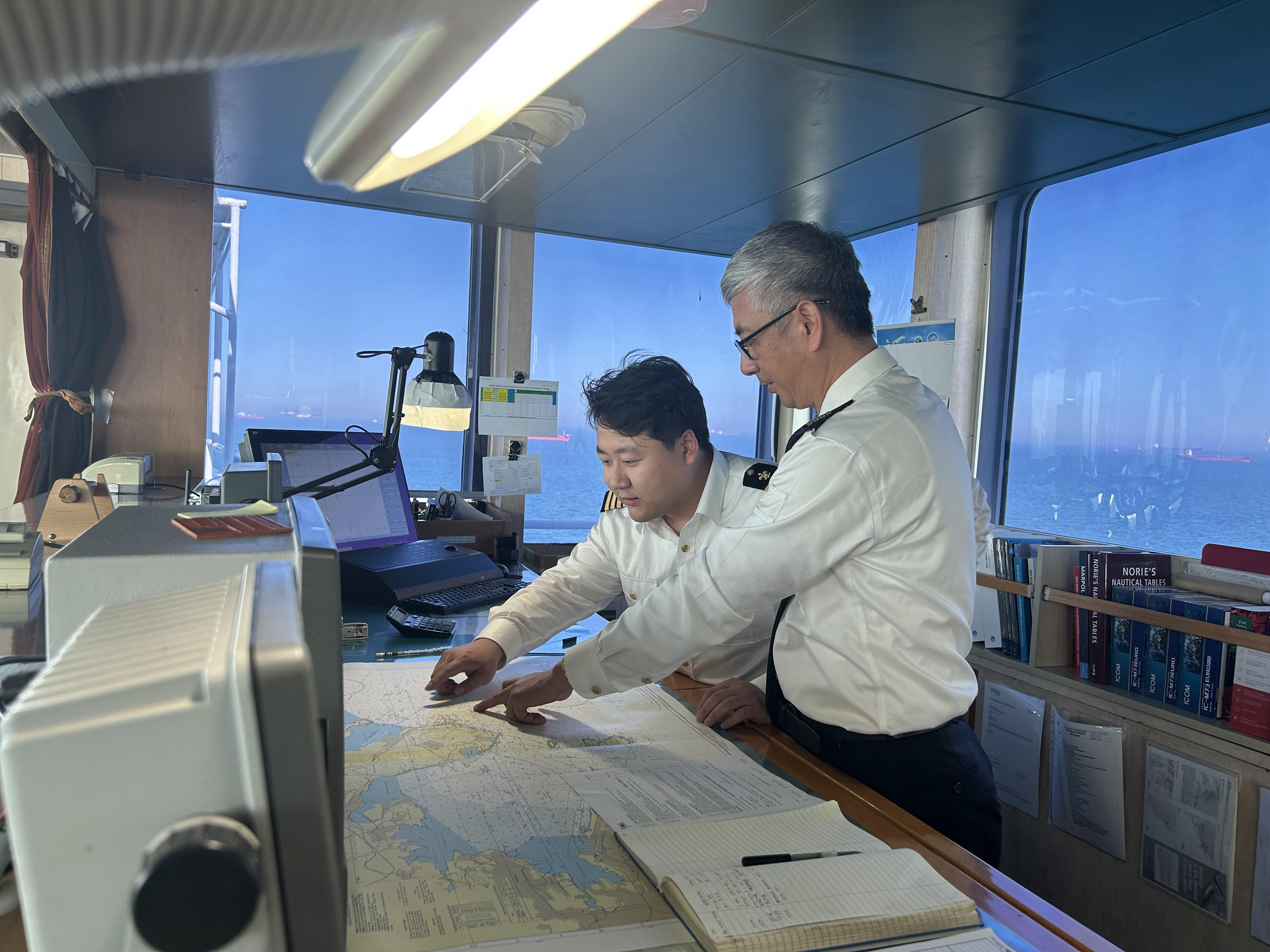
Currently, 98% of the workforce at the Dalian Port Pilot Station holds a bachelor’s degree or higher. All 63 licensed pilots have a bachelor’s degree or above, including the nation’s first and only Ph.D. pilot among all domestic piloting organizations. The station has formed a complete talent hierarchy with senior and top-grade pilots leading, first-class pilots serving as the backbone, and second and third-grade pilots as a reserve force.
In the new era, Dalian Port Pilot Station has upheld strong leadership through party building and red ideology. It has established role model stations for party members, technical core teams, and emergency response squads, ensuring that the party flag always flies high on the frontlines of piloting, amidst waves and challenges, forging a technically adept, highly disciplined, and battle-ready piloting team of the new era.
Seventy-five years of hard work and glory have created a team of heroes. The Dalian Port Pilot Station has produced National Labour Model awardees, recipients of the May 1 Labour Medal from Liaoning Province, model workers of Dalian City, and maritime merit figures. Numerous individuals have received accolades such as National Top 10 Pilots, National Excellent Pilots, and Industry Technical Experts.
Looking back over these 75 years, the history of the Dalian Port Pilot Station is not just a journey of technological breakthroughs but also a story of development resonating with the pulse of the times. The achievements in piloting are fundamentally a result of the era’s progress, the prosperity of the ports, and the trust and reliance of shipping companies. Supporting this trust is the unrelenting pursuit of excellence in technology and the steadfast belief that technical expertise and safety are the highest responsibilities.
The tides are favorable, and the winds are set fair for progress. Standing at the new historical starting point of its 75th anniversary, the pilots of Dalian Port remain steadfast in their commitment and resolute in their mission. They carry forth 75 years of struggle, protecting national maritime security with exceptional expertise, enhancing port and shipping development through digital innovation, and serving regional revitalization with professional dedication. They aim to make new breakthroughs, strive for excellence, and achieve new milestones in the escort of ultra-large vessels, major engineering challenges, intelligent piloting innovations, and emergency rescue operations, contributing solid piloting power to the construction of a strong transportation nation, a maritime power, and the Northeast Asia International Shipping Center.
-
Iron Shoulders Guarding the Nation's Gateway, Craftsmanship Leading the Way to Triumph: A Glimpse into 75 Years of Dalian Port Pilot Station's Pilotage Development3658
-
The Bohai Bay Port general cargo route to the Americas has been launched.3785
-
Shanghai Arbitration Commission releases second batch of "port, shipping, and water-related" model contracts.4825
-
China has established a full-chain industrial system for domestic green methanol fuel.4703
-
The 19th China-Europe Maritime Transport Talks were held in Shanghai.4744