The first "policy package" for shipping talent in Jiangsu Province has been implemented in Gulou, Nanjing.
Recently, the 18th China Nanjing International Exchange and Cooperation Conference for Overseas Students and Youth Talent Exchange Conference was held in Nanjing. At the event, Nanjing Maritime Bureau, in cooperation with Gulou District of Nanjing, introduced the province's first "Ten Support Policies for Shipping and Logistics Service Talents" and the accompanying "Policy Package" for shipping talent. This comprehensive talent support system, covering the full lifecycle, injects strong momentum into the construction of Nanjing as a regional shipping logistics center and the high-quality development of "Water Transport in Jiangsu".
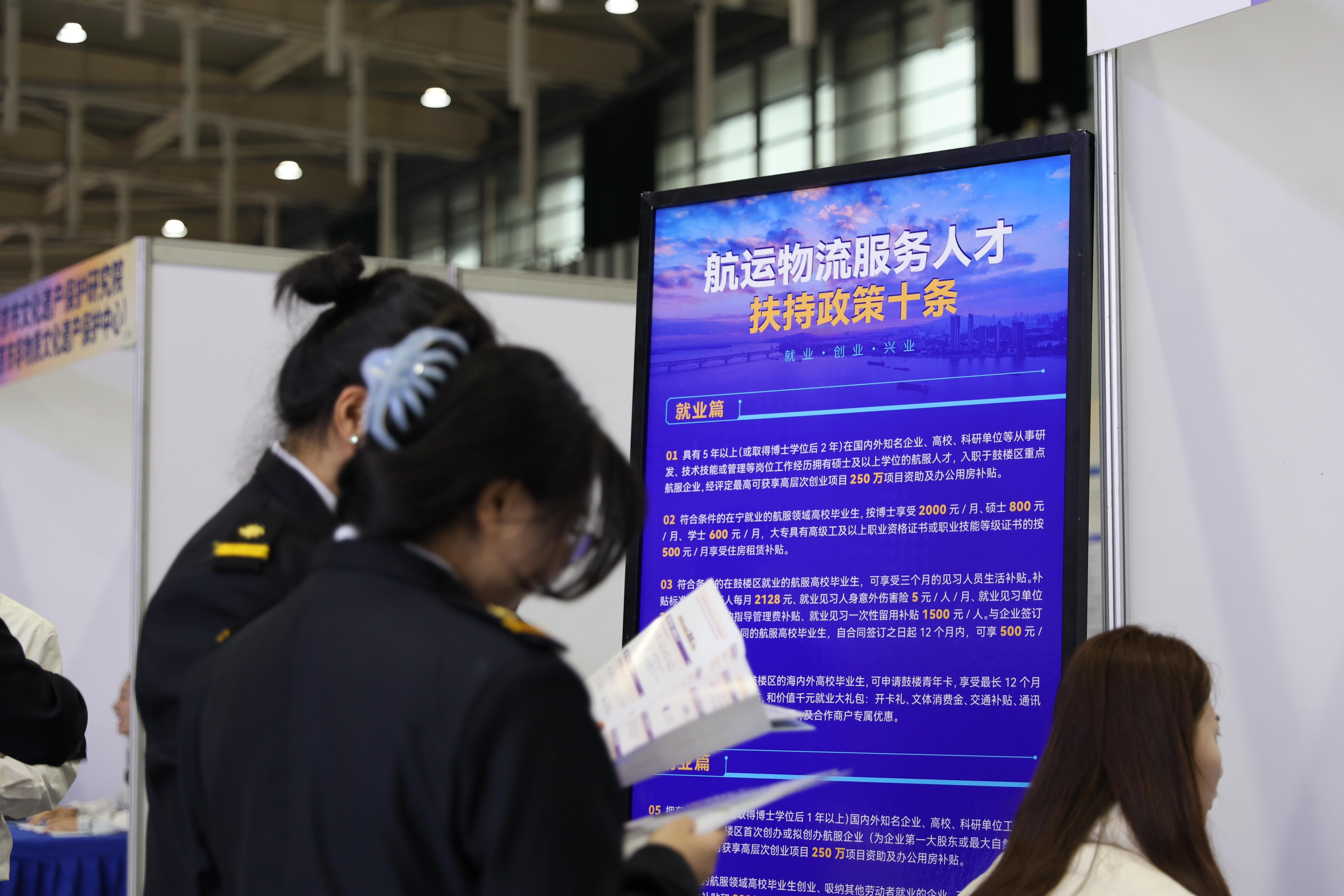
The shipping and logistics industry is a distinctive sector that Gulou District is focusing on cultivating, and it is also a critical support for Nanjing's efforts to accelerate the construction of a regional shipping logistics center. For a long time, compared with advanced port cities such as Shanghai and Zhoushan, Nanjing has lacked specific talent recruitment policies for the shipping industry, and high-end talents in shipping and logistics have generally faced difficulties in being attracted and retained.
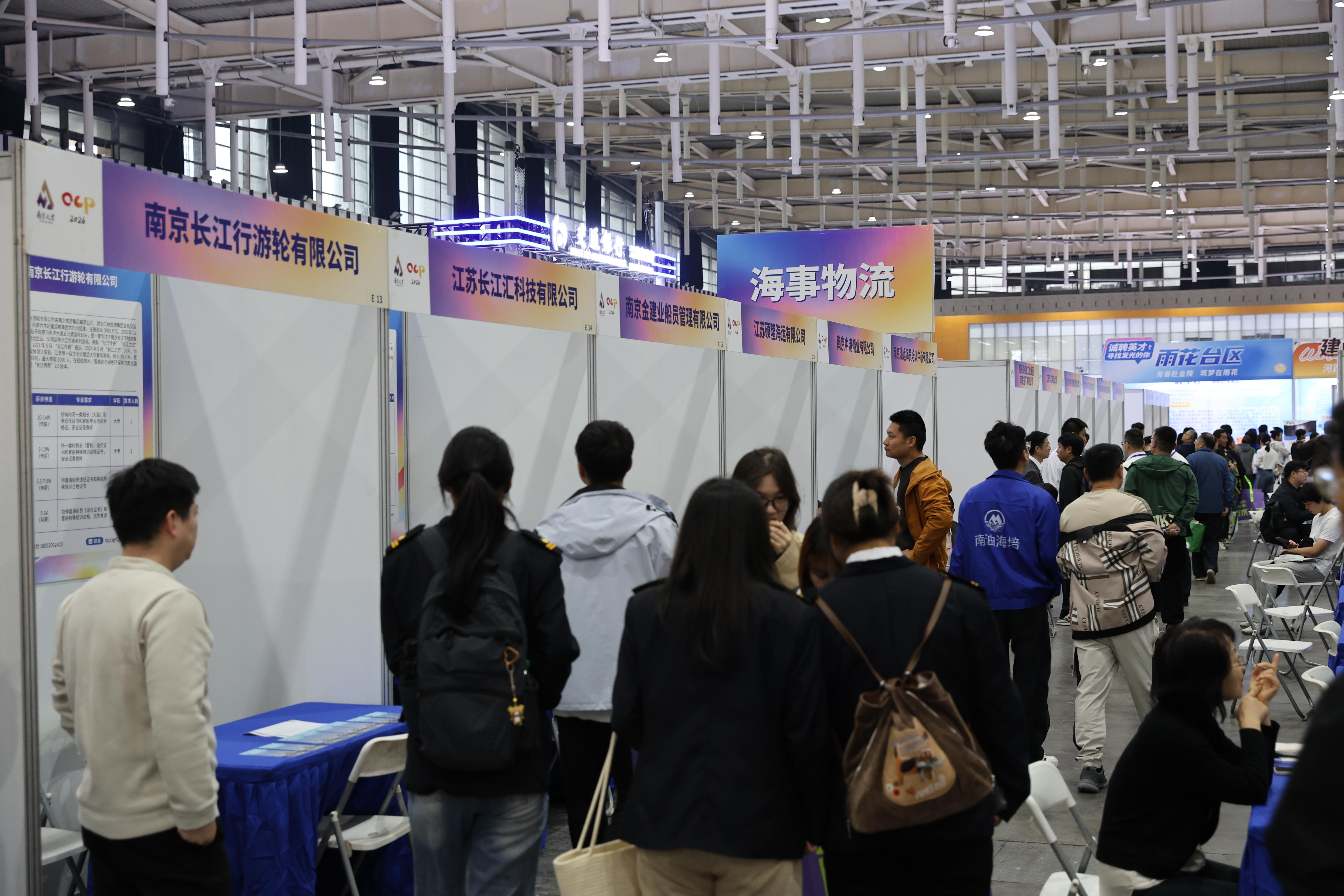
As the industry regulator for shipping, Nanjing Maritime Bureau has proactively taken the initiative. Through proposals to the CPPCC, recommendations to the People's Congress, regular visits to local governments, and advocacy in various industry settings, it has continuously promoted the introduction of local specialized policies for shipping talents. At the same time, it has collaborated with the Management Committee of Xiaguan Riverside Business District on multiple rounds of discussions, reaching a consensus on leveraging regional and industrial clustering advantages to implement shipping talent recruitment policies ahead of others. Gulou District has systematically reviewed talent policies at the city and district levels, focusing on the three dimensions of "entrepreneurship, employment, and industry development" to precisely match the practical needs of the shipping field. This effort ultimately led to the identification of ten special support policies, achieving a shift in shipping talent services from "accessible job opportunities" to "accessible policies," reaffirming their commitment to ensuring that shipping talents who come to Nanjing can stay and thrive.
The "Ten Policies" introduced this time establish a talent recruitment and development system covering the entire lifecycle, addressing key pain points in industry talent development. On the employment front, housing subsidies, internship living allowances, one-time retention subsidies, and pre-job training subsidies are provided for high-level maritime talents, reducing barriers for young professionals entering the workforce. On the entrepreneurship front, support such as project funding, start-up subsidies, and guaranteed loans is offered to maritime talents from home and abroad starting their first businesses in Nanjing, addressing funding bottlenecks faced by start-ups in the shipping sector. On the industry development front, measures such as recruitment incentives for enterprises hiring high-end talents, subsidies for building expert studios, and targeted rewards for seafarer dispatches have been launched to comprehensively optimize the development environment for the shipping industry. Additionally, the policy offers specialized services including lifecycle development consultations and project application guidance, providing robust support for the growth of shipping talents.
This triadic "employment, entrepreneurship, and industry development" policy system holds profound significance for the aggregation of shipping talents and the industrial upgrading in Nanjing. Precise financial investment and meticulous matching services not only alleviate concerns about housing, healthcare, and start-up funding for shipping professionals but also, through the effect of industry clustering, attract high-end shipping resources from home and abroad to converge in Nanjing. This will accelerate the improvement of synergistic industry ecosystems such as shipping transactions, finance, and legal services, further solidifying Nanjing's central position as a hub for Yangtze River shipping.
In the next step, Nanjing Maritime Bureau will continue to leverage its industry expertise, deepen collaborative interactions with local governments, and promote the effective implementation of various talent policies. By using talent as a "high ground of intelligence," it aims to seize the "high ground of industry," providing solid talent support and intellectual backing for the high-quality development of water transport in Jiangsu.
-
The first "policy package" for shipping talent in Jiangsu Province has been implemented in Gulou, Nanjing.3319
-
The 2026 Belt and Road Media Cooperation Forum was held in Fuzhou.3017
-
Ningbo introduces exclusive streamlined services for seafarer salary disbursement.4821
-
Zhenjiang Maritime Safety Administration's intelligent system monitors 8 types of navigation risks around the clock.4106
-
"Penglai-Senegal"! Yantai Port's new general cargo route smoothly connects to West Africa.3427