Maritime navigation and protection join forces to establish a "safety line" for fishing in the East China Sea.
At 12:00 on September 16, after a four-and-a-half-month fishing moratorium, the East China Sea will fully reopen for fishing. Over 2,000 fishing boats from Ningbo City will set sail, heading to the East China Sea fishing grounds. Unlike the special licensed fishing in August, this full reopening marks the complete lifting of the summer fishing ban in the East China Sea, allowing large fishing vessels such as single trawlers, double trawlers, and purse seiners to operate at sea. Fishermen will be able to catch hairtail, large yellow croaker, squid, and more.
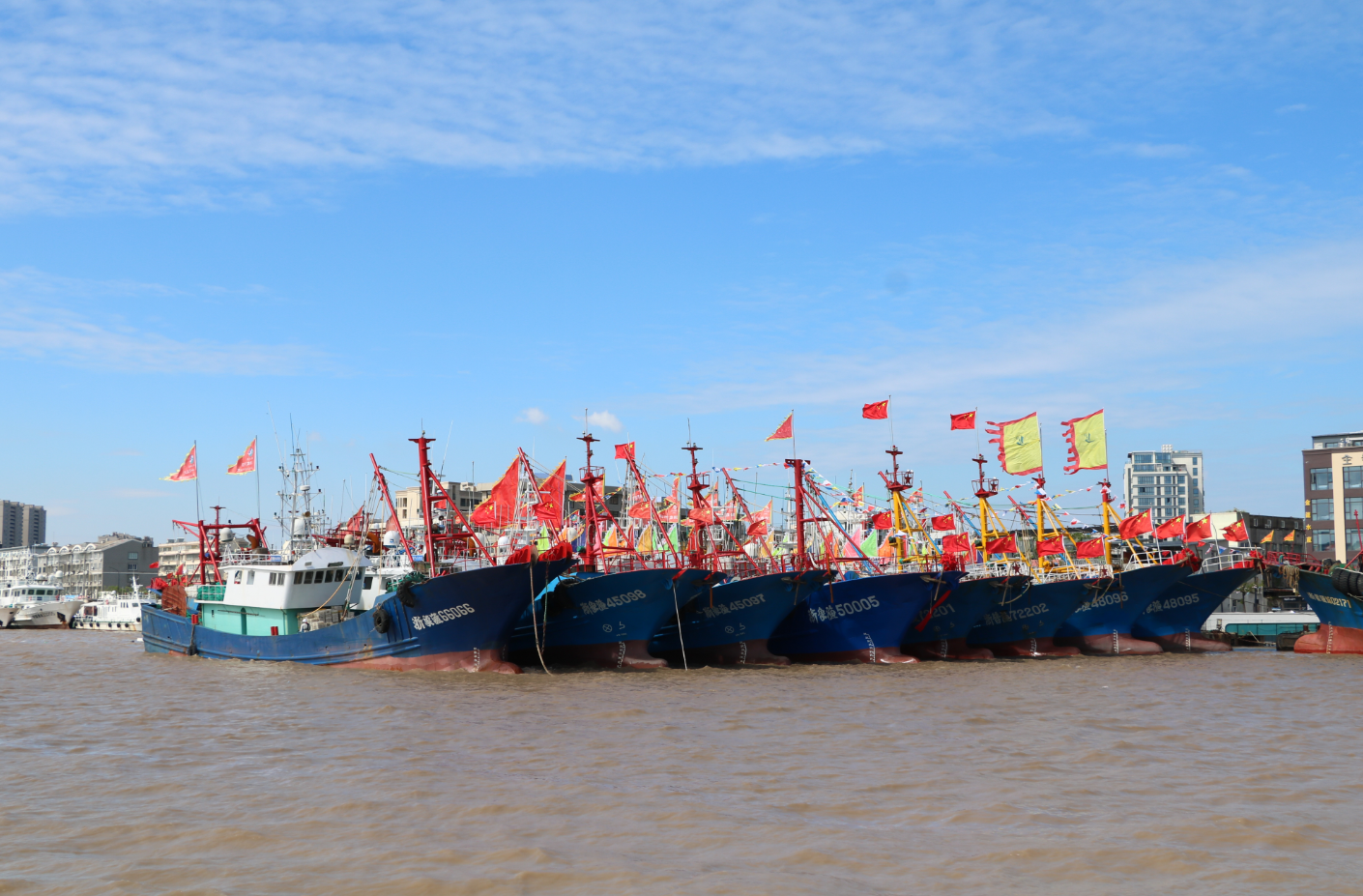
After the full reopening, a large number of fishing boats will head out to sea, significantly increasing the frequency of encounters between merchant ships and fishing boats, and greatly raising navigation density. Maritime authorities in Ningbo, in collaboration with navigation safety departments, have proactively deployed measures to ensure the safe departure of fishermen.
"When setting sail, be sure to strengthen watchkeeping and avoid staying in the navigation channel. I learned a lot from today's class," said Li Guofeng, a fishing boat captain in Shipu Town, Xiangshan, after attending the "First Lesson of Fishing Season."
In recent days, similar safety education activities for merchant and fishing vessels have been intensively carried out in major fishing towns such as Shipu, Hepu, and Gaotang in Xiangshan, Ningbo. Maritime authorities, in collaboration with local governments, navigation safety, and fisheries departments, have conducted specialized training sessions titled "First Lesson of Fishing Season," covering over 2,000 fishing boat owners, captains, and fishery workers. The training adopts a "case study + regulation interpretation" model, analyzing causes of accidents such as lax watchkeeping, inadequate VHF monitoring, and unauthorized operations in public navigation routes, using examples of recent collisions between merchant and fishing vessels.
Meanwhile, maritime and navigation safety enforcement personnel have boarded fishing vessels one by one to conduct point-to-point warning education. They explained the distribution of navigation aids and recommended routes for fishing vessels entering and exiting key waterways such as Xiawanmen and Tongwamen, guiding fishing boats to avoid prohibited fishing and anchoring areas around navigation aids. They have conducted nearly 100 point-to-point onboard education sessions and distributed over 4,000 copies of the "Zhejiang Fishing Vessel Maritime Navigation Safety Guide."
"My boat has completed preparations such as adding ice and water, and the equipment has been checked. Now I just hope for a safe and smooth fishing season!" Li Guofeng's expectations reflect the genuine sentiments of many fishermen.
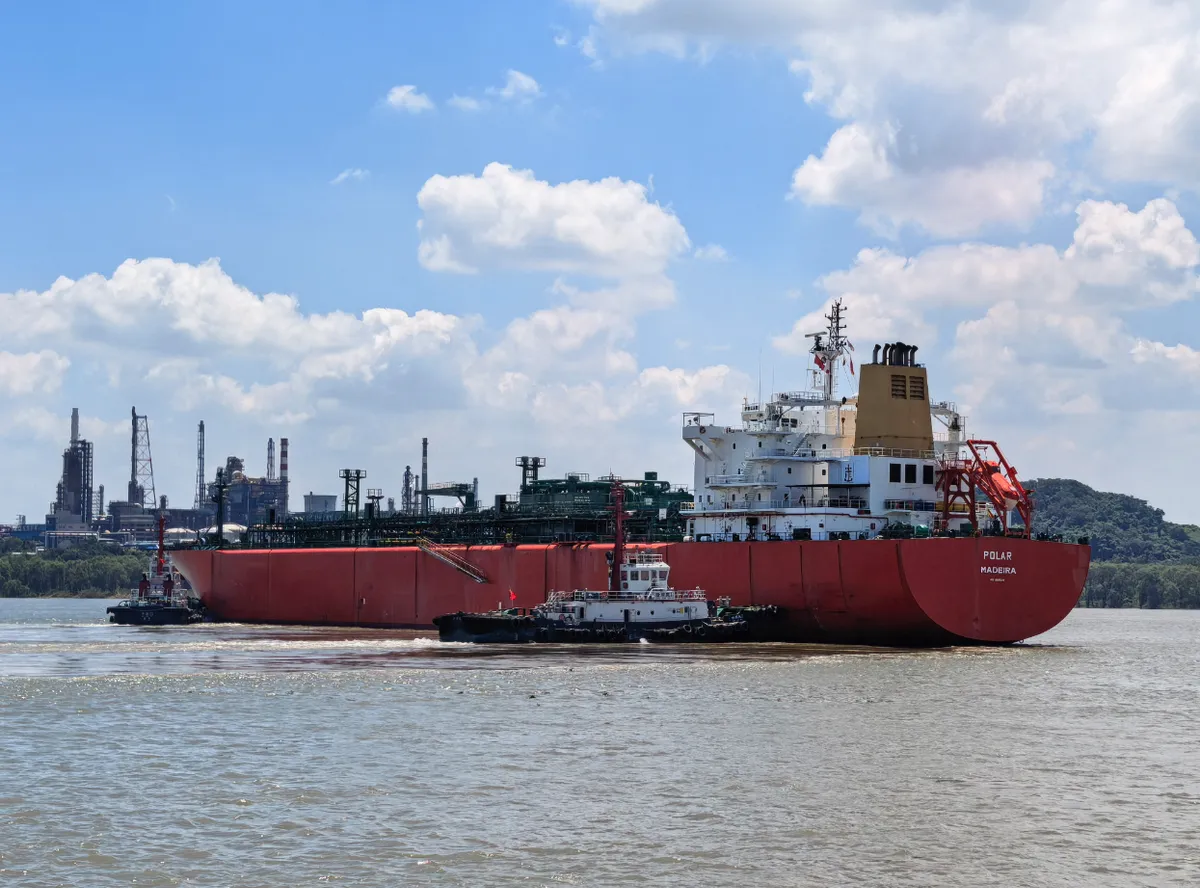
It is essential to manage both "people" and "boats" while ensuring smooth "routes." As a critical passage for fishing boats leaving port, the navigation aids in the Xiawanmen waters of Shipu Port play a vital role. Before the fishing season, maritime and navigation safety departments conducted multiple joint patrols, inspecting 52 navigation aids, including channel markers, light buoys, and AIS base stations, and addressing three identified hazards to ensure the stable operation of navigation aids. Maritime authorities have simultaneously strengthened early warning controls for merchant ships, issuing over 20,000 safety warning messages to shipping companies, terminals, and merchant ships in port. They have also ensured comprehensive coverage of collision prevention information for foreign merchant ships, guiding key vessels to anchor in advance to avoid dense encounters between merchant ships and departing fishing boats, thereby minimizing the impact on port operations.
"The reopening of the East China Sea is not only a harvest season for fishermen but also a critical period for preventing collisions between merchant and fishing vessels. We will focus on high-risk collision areas, such as passenger routes, Xiawanmen, and Tongwamen, and utilize the smart maritime platform and advanced equipment to fully safeguard the 'dual safety' of maritime navigation and fishery production," said Zhou Caishu, deputy captain of the Yushan Maritime Patrol Enforcement Team at the Xiangshan Maritime Office, as the fishing season approaches.
It is reported that on the opening day of the fishing season, September 16, the 29th China (Xiangshan) Fishing Festival will hold its opening ceremony at Shipu Port in Xiangshan, Ningbo. Maritime authorities will collaborate with fishery departments to implement water traffic control in certain areas of Shipu Port. A fleet composed of main patrol vessels from maritime, navigation safety, and fishery departments will be deployed to key waterways such as Xiawanmen and Tongwamen Bridge to undertake on-site vigilance tasks and escort fishing boats, ensuring their orderly departure in batches.
-
Bohai Bay Port strives to become a benchmark for the transformation of small and medium-sized ports.4113
-
The 2026 Advanced Auditor Training Course for Crew Training Quality Management System Opens in Tianjin.4980
-
Maritime navigation and protection join forces to establish a "safety line" for fishing in the East China Sea.4640
-
The rotating duty of the light buoy in the Dalian sea area has been completed.3146
-
Chipolbrok's vessel "NOWOWIEJSKI" Set Sail Carrying the Second Shipment of TBM Equipment for Serbia's First Metro Construction Project4360