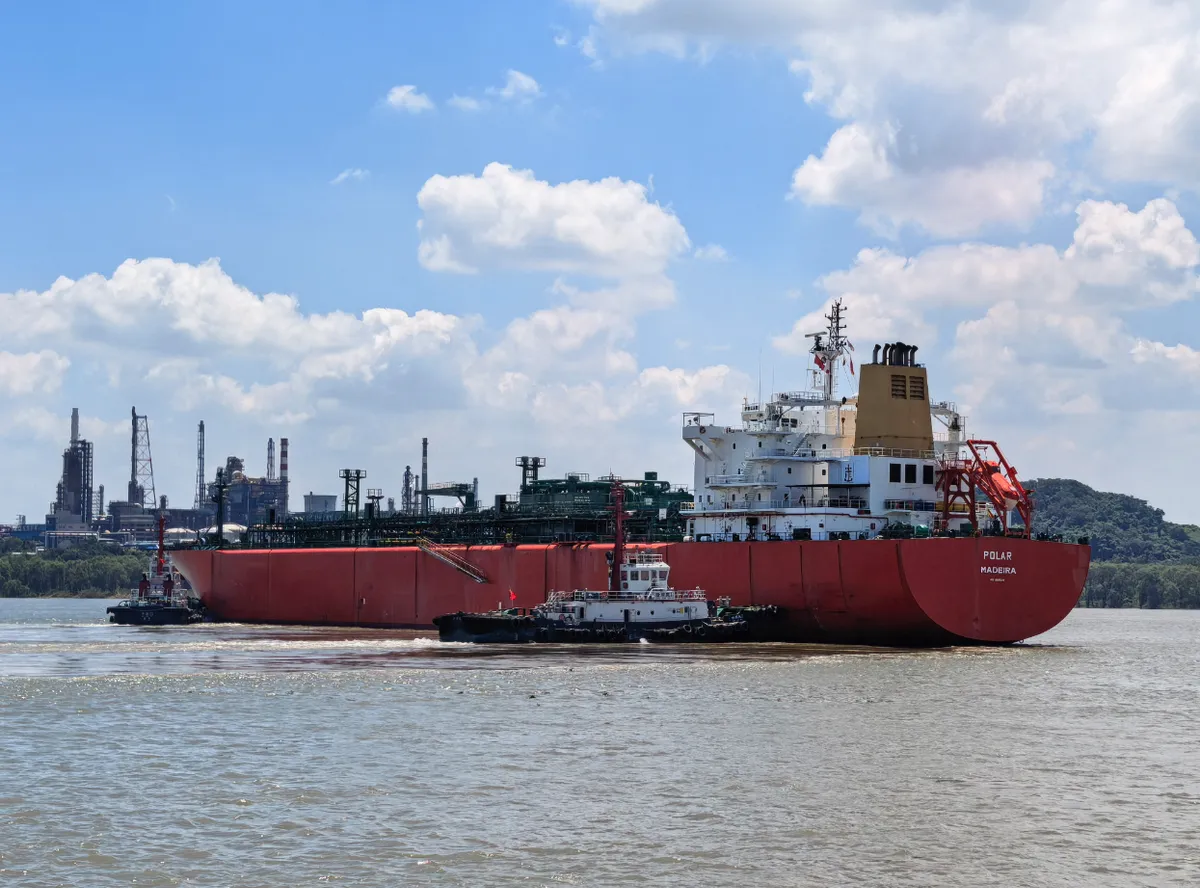
The Rizhao Municipal Regulations on Maritime Traffic Safety will come into effect on May 1.
On April 20, reporters learned from the Rizhao Maritime Bureau that the "Rizhao Maritime Traffic Safety Regulations" (referred to as the "Regulations") will come into effect on May 1. The "Regulations" consist of six chapters and forty-nine articles. The content includes general provisions, general rules for maritime traffic, maritime recreational activity traffic safety, maritime search and rescue emergency response, legal responsibilities, and supplementary provisions.
To address the long-standing issue of conflicts in marine space planning, Article 8 of the "Regulations" explicitly stipulates that "Relevant departments, when drafting aquaculture water and tidal flat planning or reviewing applications for marine ranching and other projects, must fully consider maritime traffic safety needs and seek opinions from natural resources and planning departments, transportation departments, and maritime management agencies." This means that the "Regulations" aim to resolve marine use conflicts at the source, and the future designation of aquaculture zones, navigation channels, and anchorages must be comprehensively planned from the outset.
Regarding the phenomenon of "racing for the bow" that most commonly occurs when commercial and fishing vessels intersect, Article 16 of the "Regulations" provides two clear levels of stipulations: First, any vessel crossing or entering a navigation channel must actively yield to vessels traveling along the channel, and it is prohibited to race ahead of another vessel's bow. Second, vessels engaged in fishing operations must not obstruct the passage of vessels navigating within the channel. This provision further refines and implements relevant regulations from the "1972 International Regulations for Preventing Collisions at Sea" and the "Maritime Traffic Safety Law of the People's Republic of China," clarifying the priority rights for vessels using navigation channels, ensuring both parties understand their rights and obligations, and effectively reducing collision accidents caused by unclear avoidance responsibilities.
Article 18 of the "Regulations" imposes mandatory requirements on communication equipment: Vessels must be equipped with communication devices and automatic identification systems as stipulated and ensure their proper functioning. Crew members responsible for radio communication tasks must maintain vigilance and ensure the smooth operation of maritime traffic safety communication channels.
Zhang Zhe, Deputy Director of the Rizhao Maritime Bureau, stated that the "Regulations" aim to comprehensively resolve conflicts between commercial and fishing vessels not through simple "prohibition" or "blocking," but by constructing a three-dimensional governance system of "spatial separation + behavioral norms + technological empowerment + mechanism coordination." With the implementation of various provisions, maritime navigation order will be further standardized, collision risks between commercial and fishing vessels will be reduced, maritime traffic safety and the safety of maritime personnel's lives and property will be effectively safeguarded, providing strong support for Rizhao to create a safer and more orderly maritime traffic environment.
All-media reporter Ma Rongwei, correspondent Feng Xiaoyan
-
Bohai Bay Port strives to become a benchmark for the transformation of small and medium-sized ports.4111
-
The 2026 Advanced Auditor Training Course for Crew Training Quality Management System Opens in Tianjin.4975
-
Maritime navigation and protection join forces to establish a "safety line" for fishing in the East China Sea.4636
-
The rotating duty of the light buoy in the Dalian sea area has been completed.3143
-
Chipolbrok's vessel "NOWOWIEJSKI" Set Sail Carrying the Second Shipment of TBM Equipment for Serbia's First Metro Construction Project4356