-
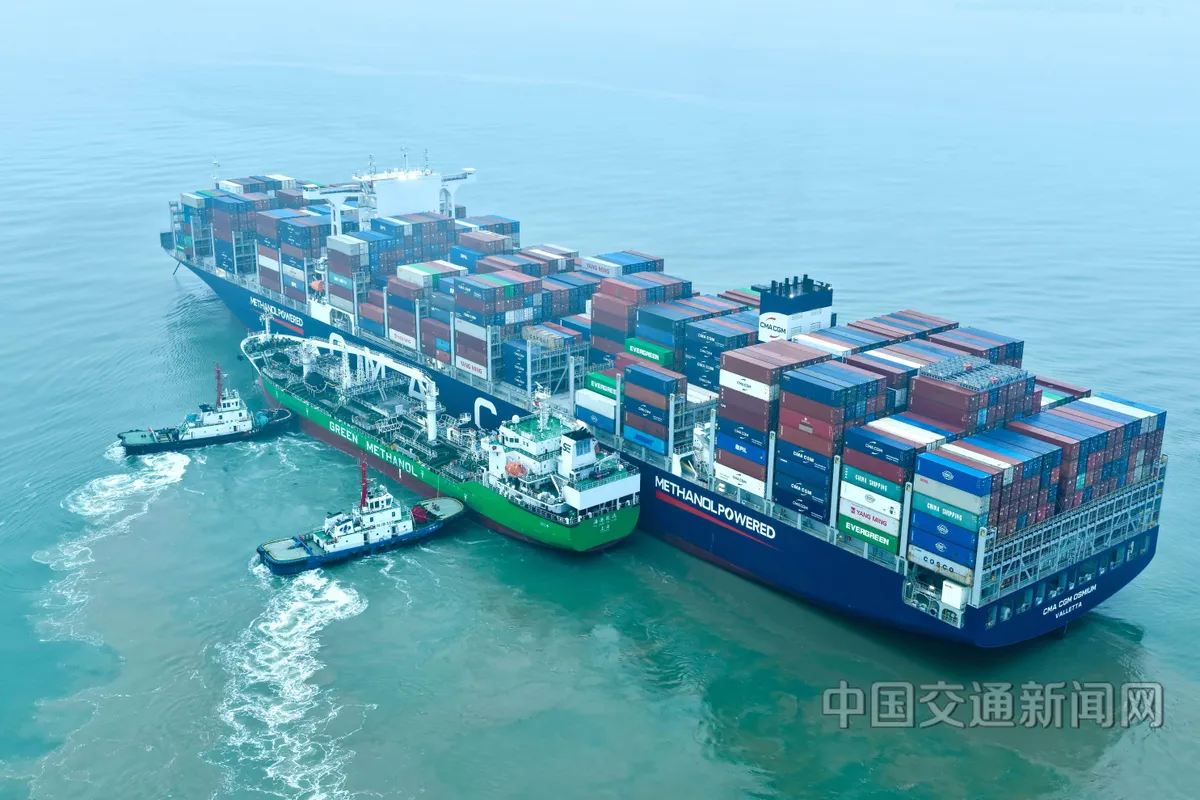
 Hebei Maritime Bureau introduces a "province-wide service" for 24 maritime tasks, optimizing governance with streamlined processes and improved convenience.
 -
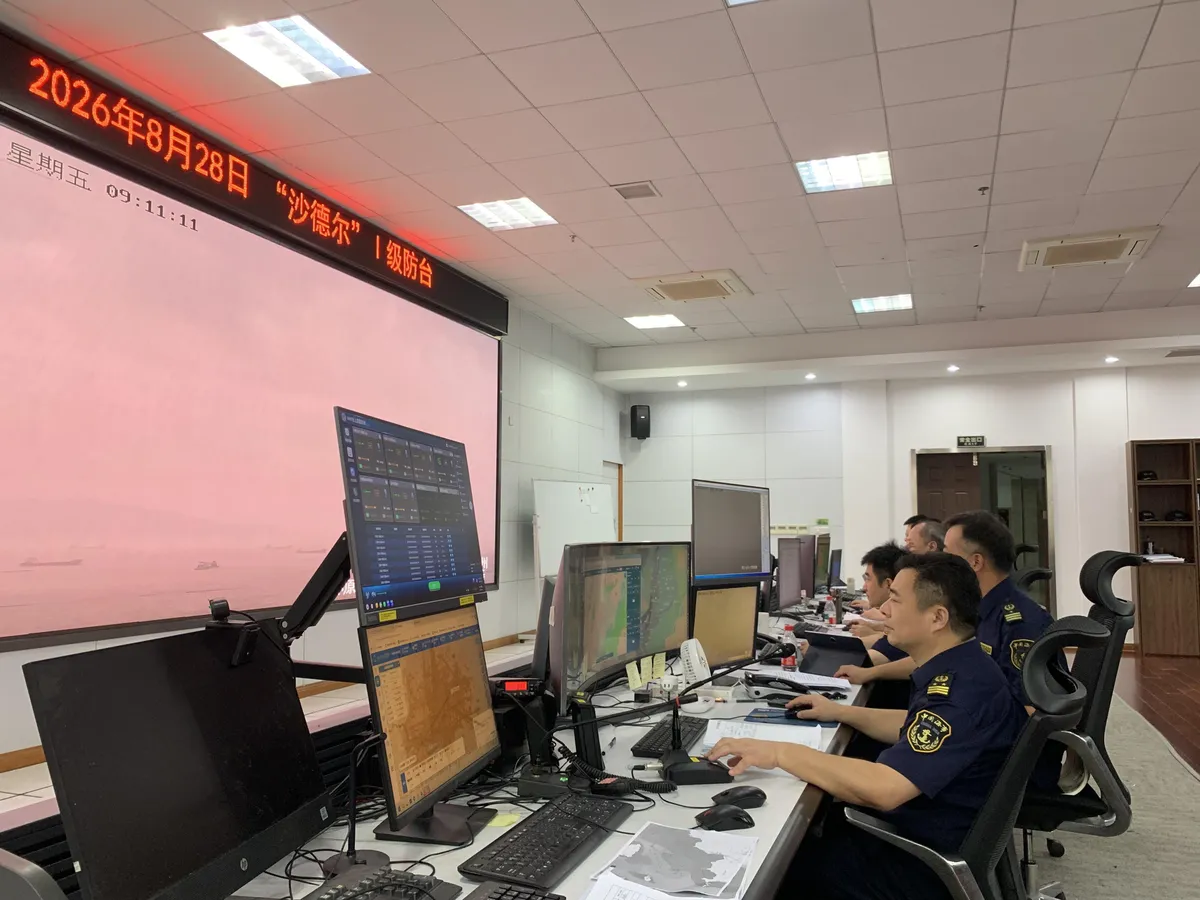 Typhoon Saola made landfall in Yuhuan City, Zhejiang Province, bringing strong winds, heavy rain, and tidal surges. Maritime agencies ensured safety through real-time monitoring systems.
 -
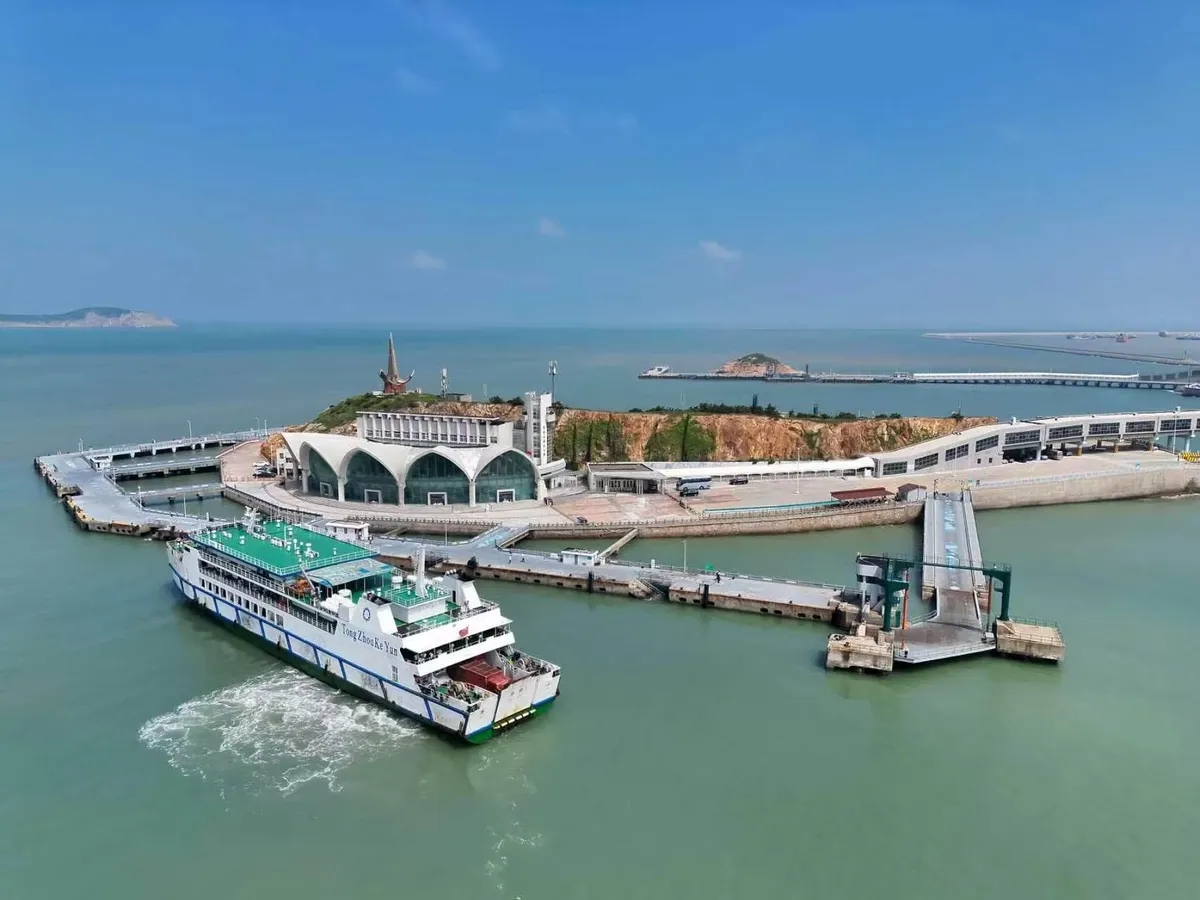 Typhoon Saola approaches the Zhejiang coast, prompting a comprehensive maritime safety response, including passenger evacuations and enhanced inspections to ensure secure waterway travel.
 -
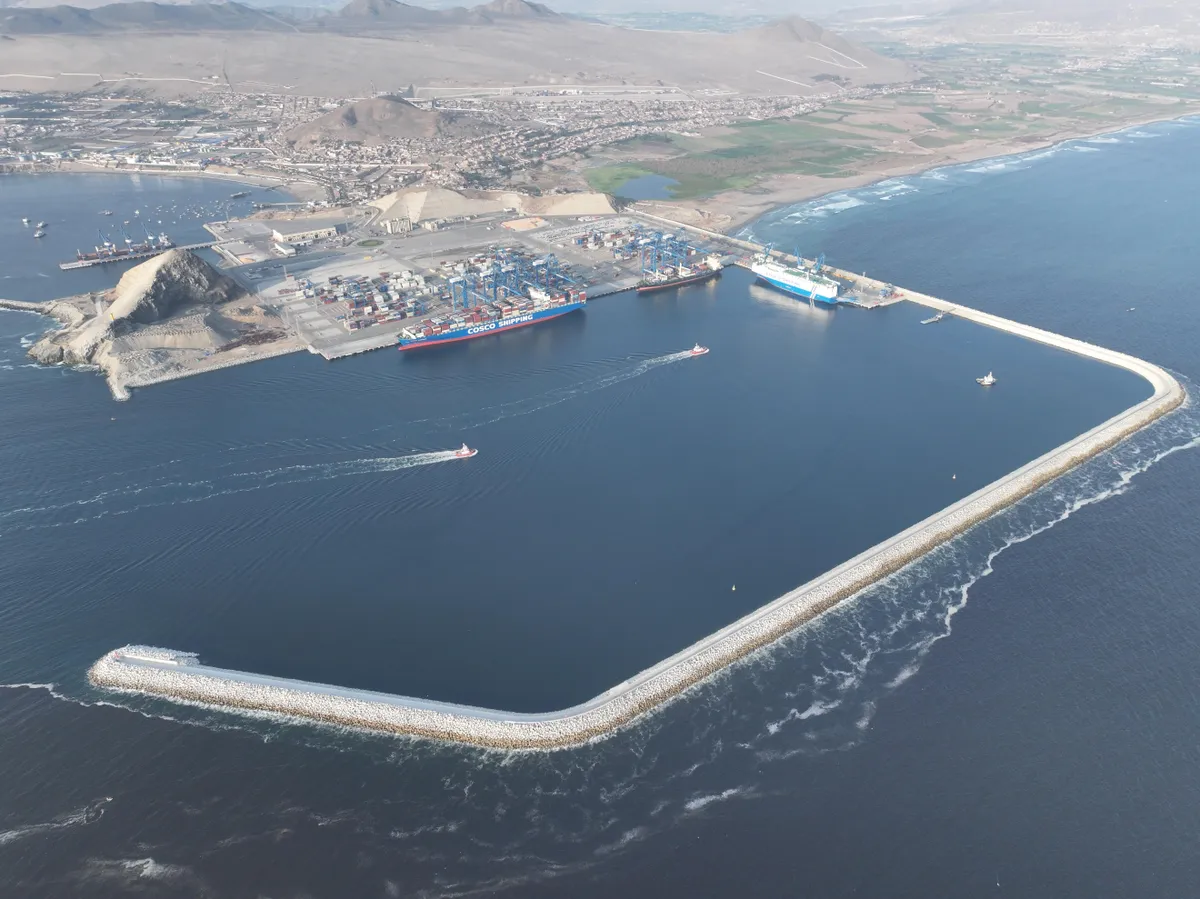 Chancay Port, Peru's first smart mega-port and key Belt and Road Initiative project, boosts cross-Pacific logistics and enhances Peru-China trade competitiveness.
 -
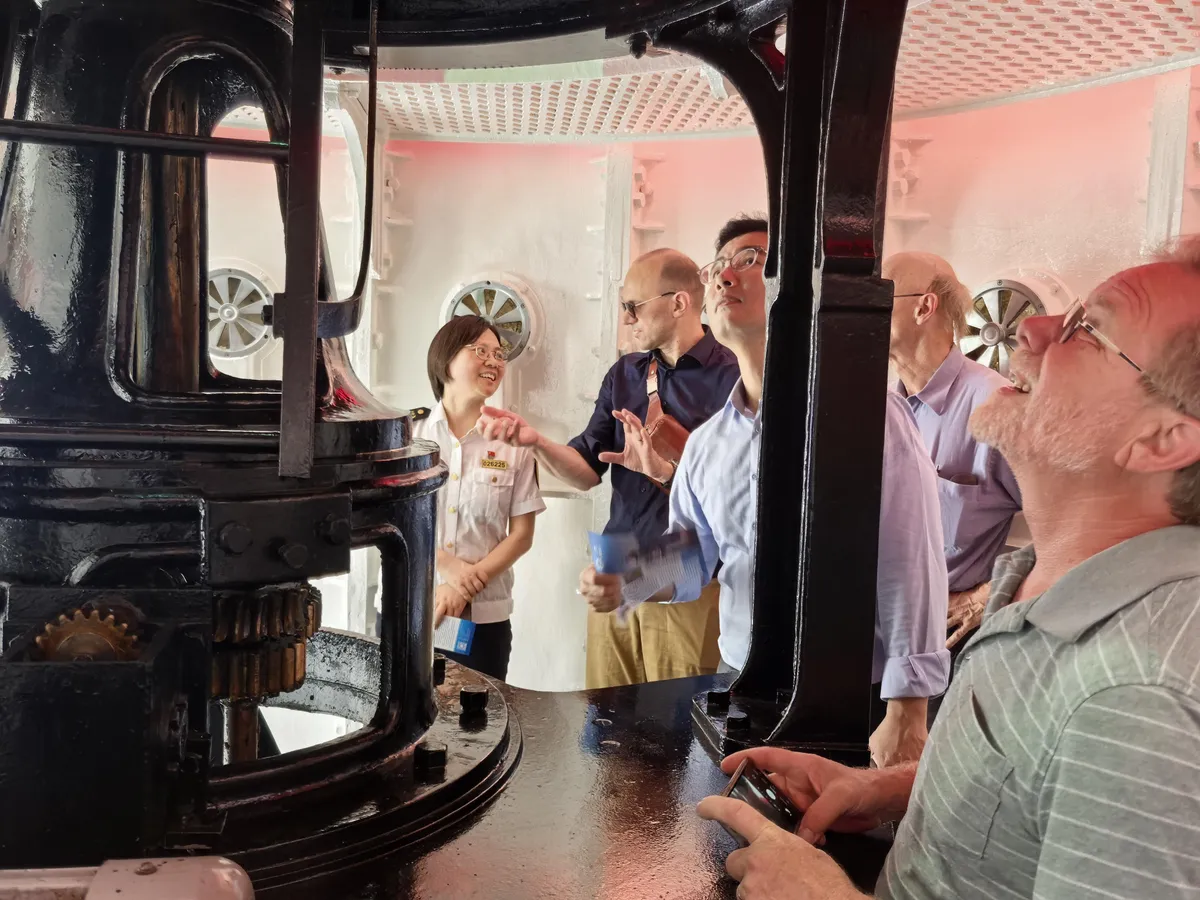 Experts from various nations participated in IALA's DTEC meeting in Dalian, exchanging insights on global lighthouse preservation and advancements in modern maritime technology.
 -
Shandong Tai'an advances high-quality inland waterway development through innovative governance and "Four-Dimensional Empowerment" for a sustainable shipping ecosystem.
-
Unmanned aerial systems drive innovation in Yangtze River navigation through real-time inspections, enhancing efficiency, safety, and sustainability in smart waterway operations.
-
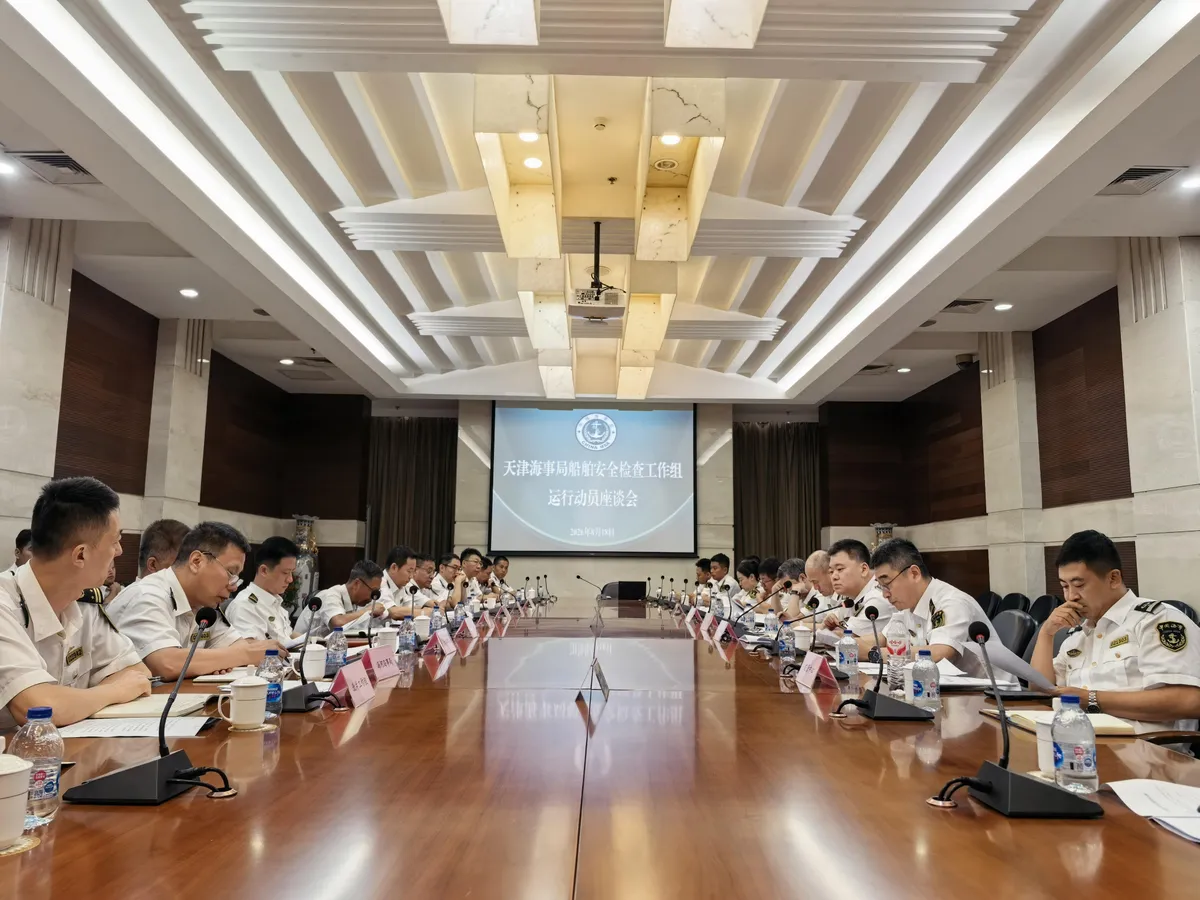 Tianjin Maritime Bureau establishes specialized vessel inspection teams, improving regulatory precision and professionalism to enhance maritime safety and port development.
 -
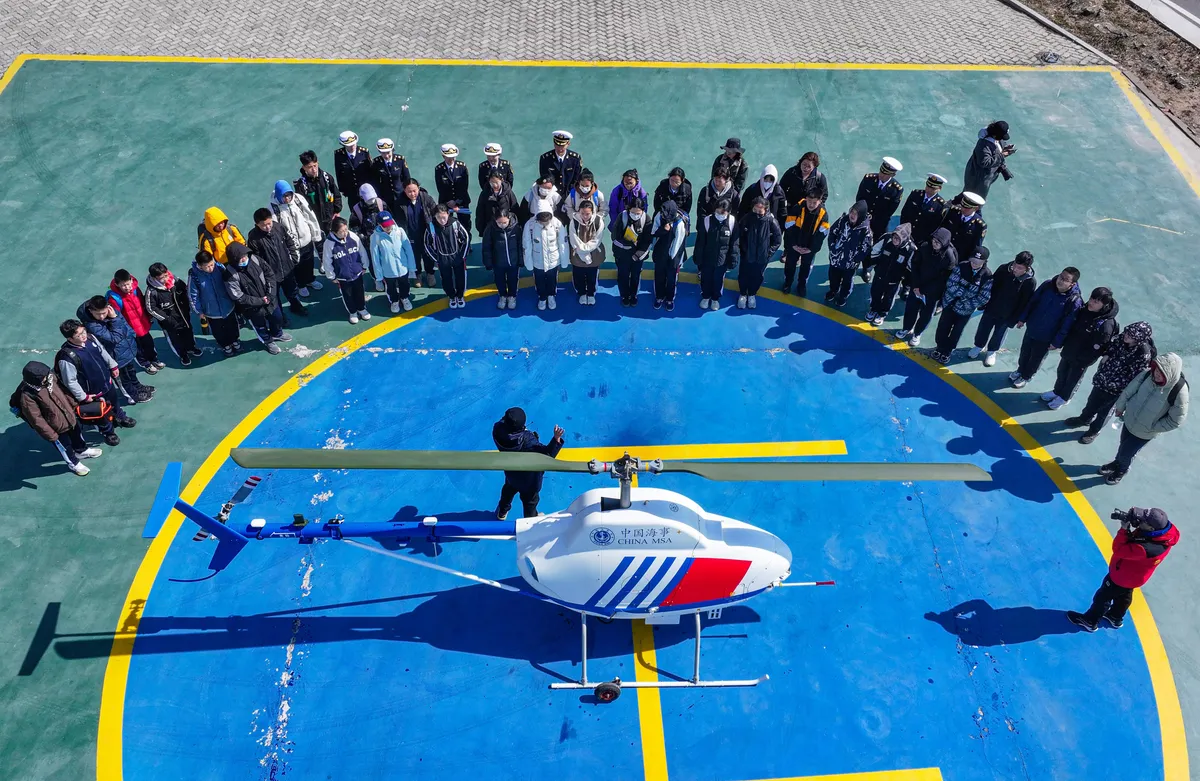 Shandong Maritime Bureau promotes sea-based civilization practices by enhancing public awareness, ensuring maritime safety, and fostering sustainable marine development.
 -
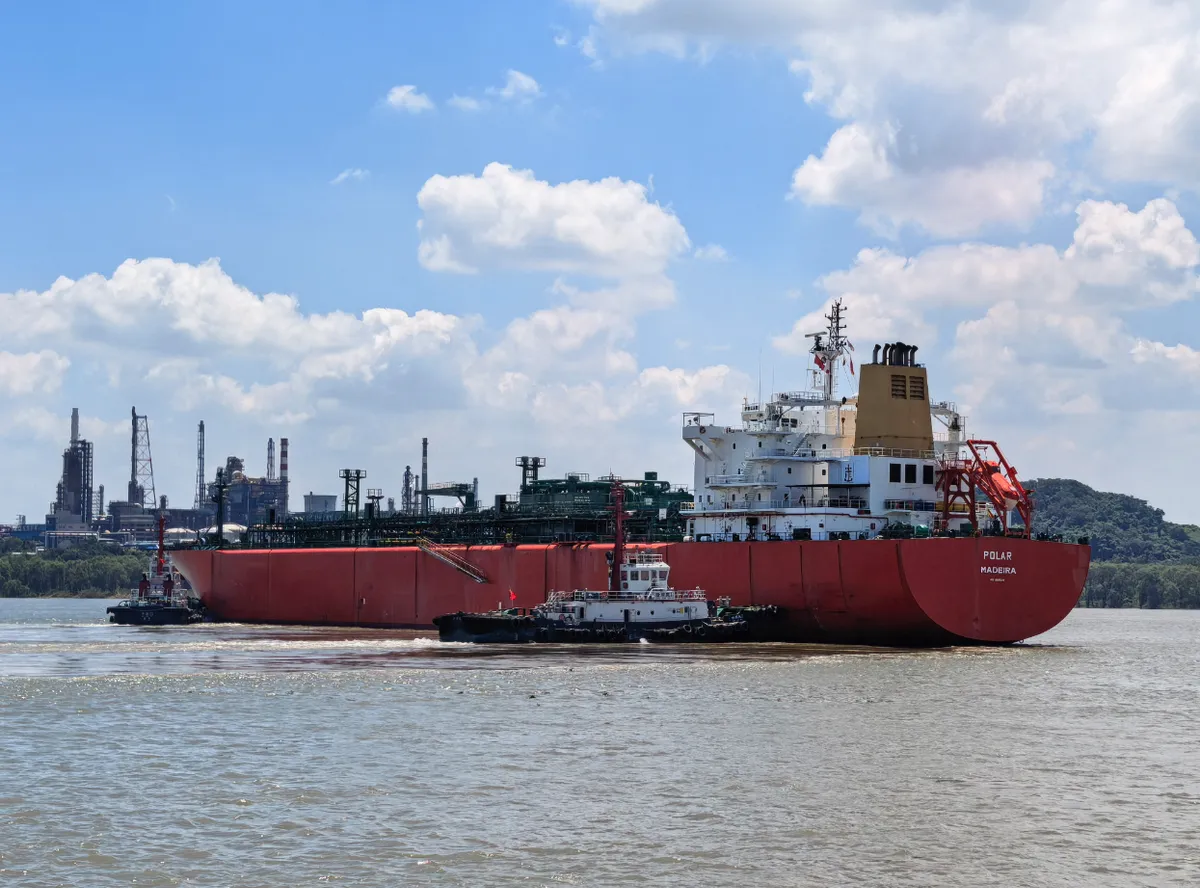 Nanjing Port drives green shipping growth with ammonia-fueled vessels, boosting liquid ammonia exports and maritime safety for sustainable shipping in East Asia.
 -
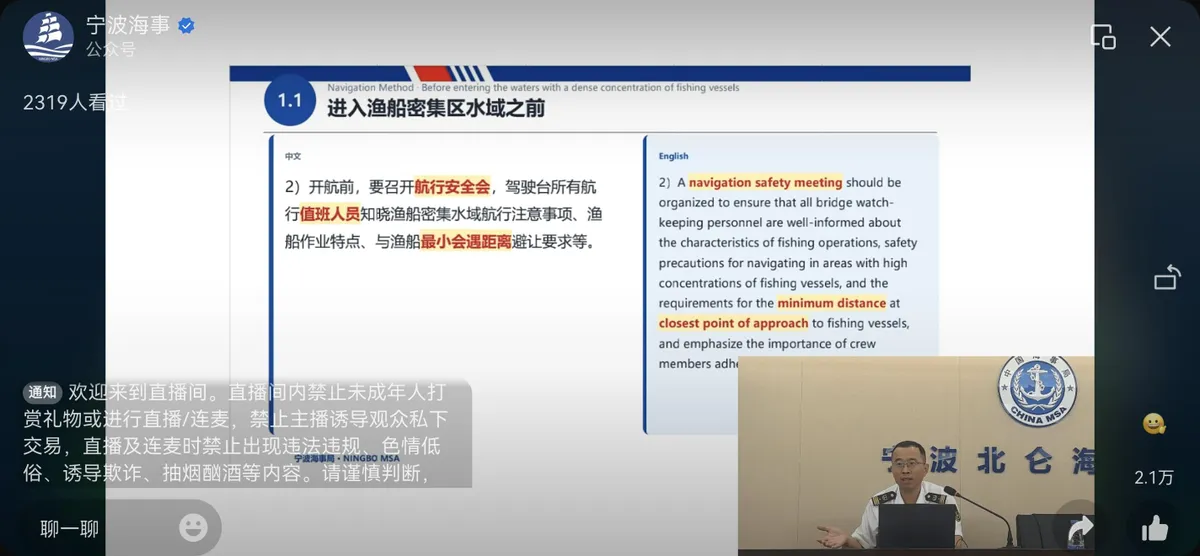 Ningbo Maritime Bureau organizes a collision prevention education event to improve fishing vessel safety, engaging over 390 companies and more than 2,000 crew members.
 -
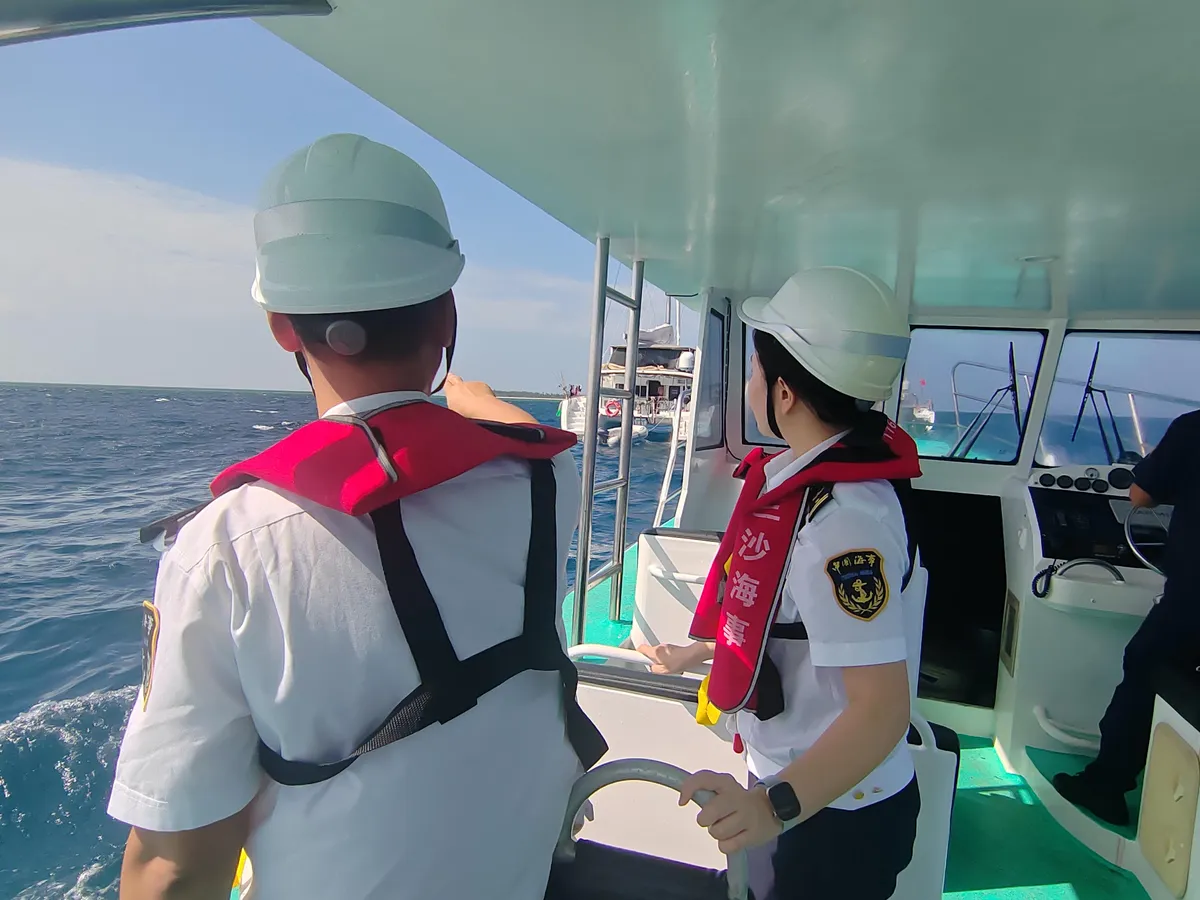 Three Sands Navigation Marks Department works with maritime authorities to ensure safety during the fishing season through patrols, inspections of navigation aids, and safety education.
 -
Hainan improves cross-sea transportation in the Qiongzhou Strait through port upgrades, smart systems, and customized solutions to meet the increasing demand for passenger and electric vehicle transportation.
-
The Pinglu Canal conducted a comprehensive maritime trial covering navigation tests, technology validation, and preparation for its September linkage with coastal waterways.
-
Mall
-
Vehicles
-
Tyre
-
Auto Spareparts
-
Material
-
Const machinery & Agro equipment
- Construction Machinery
- Digging Machinery
- Shovel Transport Machinery
- Lifting Machinery
- Compaction Machinery
- Piling Machinery
- Reinforced Concrete Machinery
- Road Machinery
- Rock Drilling Machinery
- Mining Machinery
- Sanitation Equipment
- Aerial Work Equipment
- Other Construction Machinery
- Engine system
- Torque converter system
- Transmission system
- Variable speed control system
- Drive system
- Hydraulic system
- Steering system
- Brake system
- Frame system
- Cab system
- Sheet metal system
- Electrical system
- Excavator (complete machine)
- Forklift series
- loader
- tractor
- sprinkler
- Agricultural Equipment
- Agricultural Power Machinery
- Farmland Construction Machinery
- Soil Tillage Machinery
- Planting And Fertilization Machinery
- Plant Protection Machinery
- Farmland Drainage And Irrigation Machinery
- Crop Harvesting Machinery
- Agricultural Product Processing Machinery
- Animal Husbandry Machinery
- Agricultural Transportation Machinery
- Other Agricultural Equipment
- Mining equipment
- VU aggregate optimization system
- high-efficiency gyratory crusher
- hammer crusher
- jaw crusher
- multi-cylinder/single-cylinder cone crusher
- vertical shaft/centrifugal impact crusher
- fine crushing sand making machine
- double roller machine
- impact crusher
- grinding mill
- mobile crushing station
- ball mill
- vibrating feeder
- screw sand washing machine
- sand washing and recovery machine
- vibrating screen
- belt conveyor
- Mining accessories
- Cone crusher mortar wall
- crushing wall
- copper sleeve
- jaw crusher tooth plate
- elbow plate
- side guard plate
- impact crusher sand making machine impeller rotor
- blade head
- impact block
- flow guide plate
- guard ring
- discharge bucket
- material distribution cone
- baffle plate
- peripheral guard plate
- hammer crusher hammer head
- liner
- impact crusher plate hammer
- impact block
- liner
- double roller machine roller skin
- grinding ring
- ball mill steel ball
- liner
-
Other
-
- Preferred suppliers
- Warehouse Logistics
- Expo Services
- Industry-Finance
- Customs Data
- About Us